The Trump administration, through the FCC, has banned the import of new Chinese anthropomorphic and quadrupedal robots, as well as networked inverters. This measure is intended to protect US AI infrastructure from cyber threats, data interception, and potential supply chain disruptions.
What happened
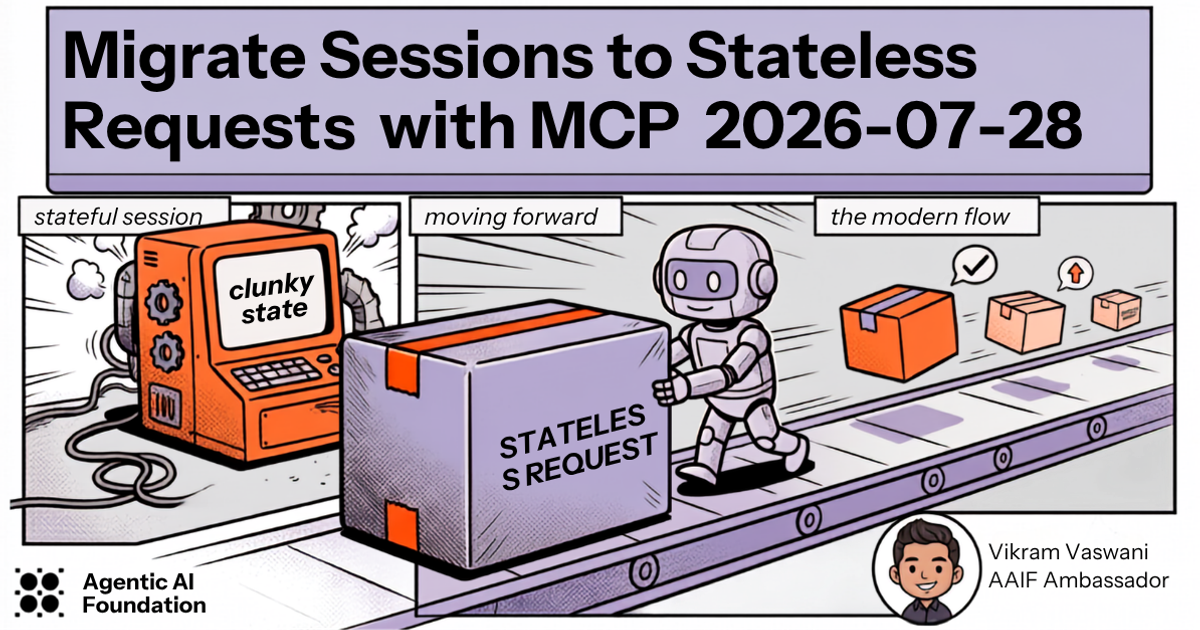
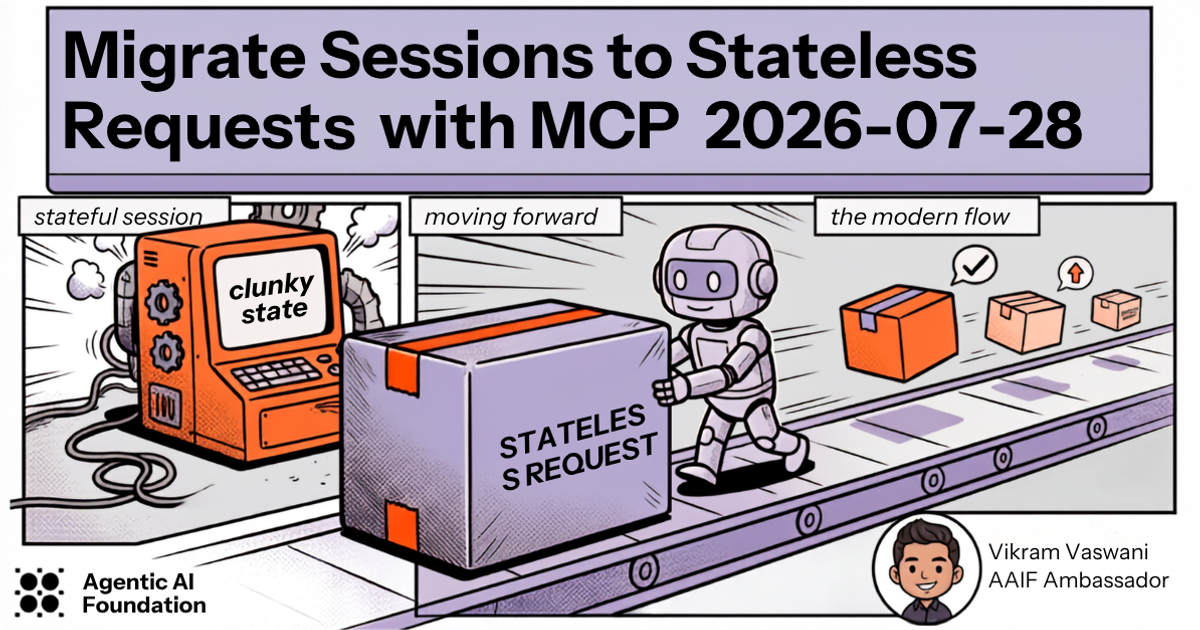
The new restrictions affect companies such as Unitree, a partner of Nvidia on Blackwell chips, as well as Sungrow and Huawei. At the same time, an important technical update took place: the MCP (Model Context Protocol) protocol has been moved to a stateless architecture in accordance with the specification dated July 28, 2026. Now, context is passed through the _meta field in each JSON-RPC request, eliminating the need to store sessions in server memory.
Context
Geopolitical confrontation in the technology sector is leading to the creation of barriers for Chinese manufacturers of robotics and data center equipment. At the same time, the development of Agentic AI requires more efficient scaling methods, which prompted the transition of MCP to a stateless model.
Why this matters for the industry
For the industry, the ban creates serious obstacles for Chinese suppliers and stimulates the reshoring process — the transfer of production back to the US. From a technical standpoint, the transition of MCP to a stateless architecture simplifies the scaling of agentic systems in cloud environments, allowing the use of standard tools like Kubernetes and cloud load balancers without using sticky sessions.
Why this matters for users
Developers of AI agents need to urgently adapt their infrastructure to the new MCP standard, revising session implementation and moving to context passing through request metadata. Users and companies planning to purchase robotic platforms in the US should consider regulatory risks and a possible change of key players in the market in favor of local manufacturers.
What is still unknown / limitations
Business-oriented market participants may face the emergence of a market vacuum in the affordable robotics segment, requiring a quick search for alternatives.
Sources
Author
Look at AI, editorial team