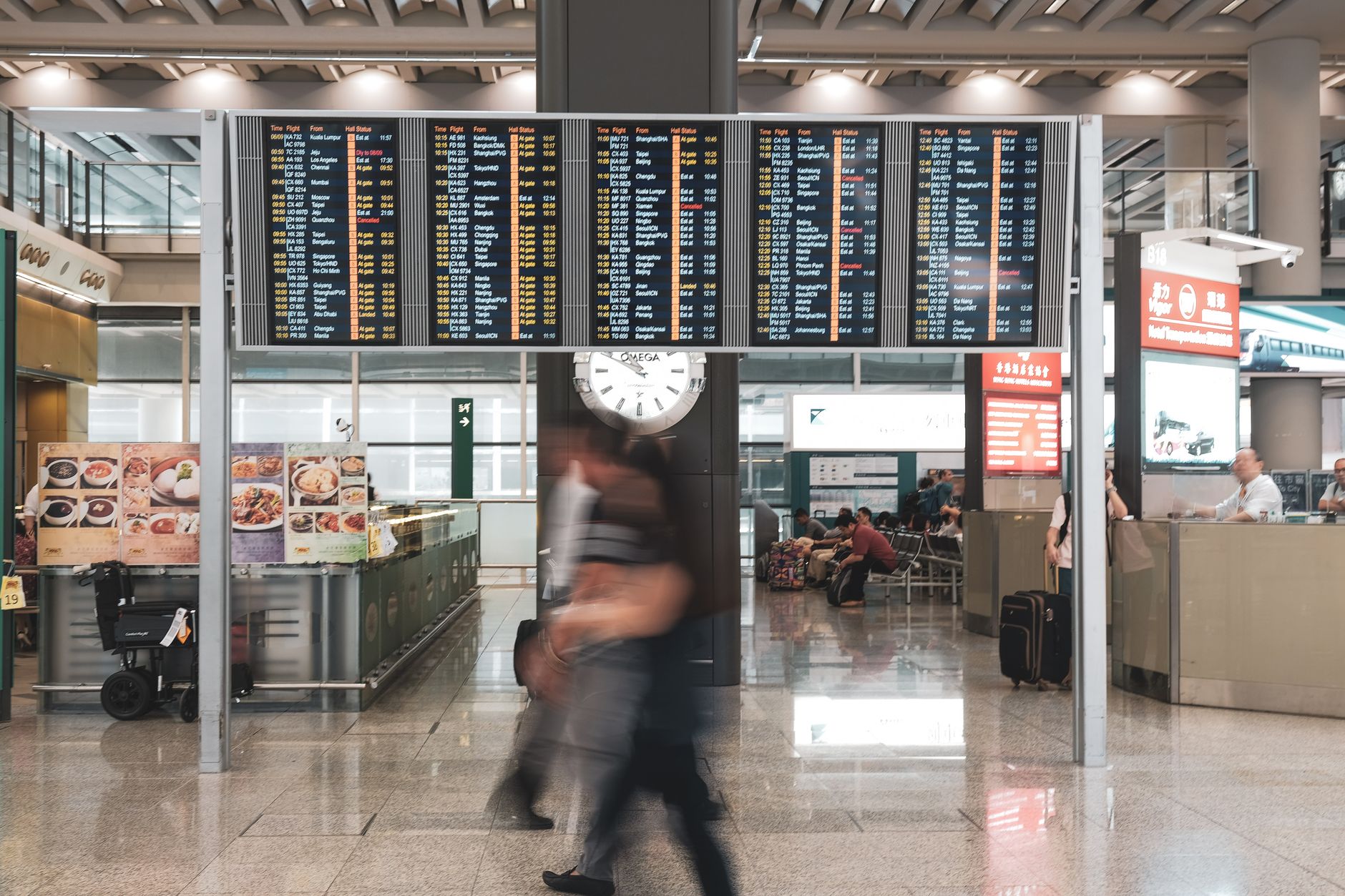
The implementation of hyper-reactive AI-based dynamic pricing algorithms is radically transforming the aviation market, making it nearly impossible to find bargain deals on popular routes.
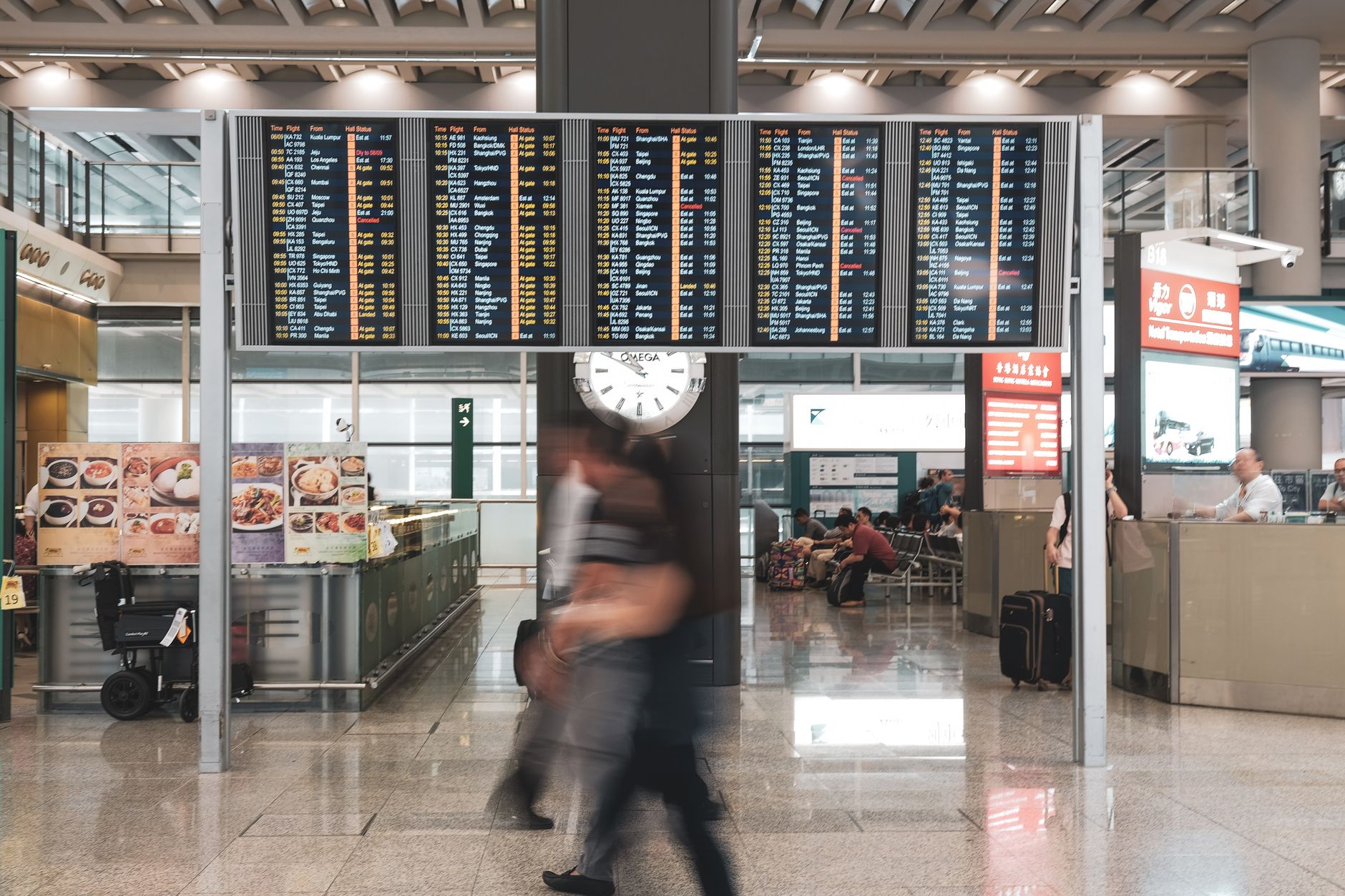
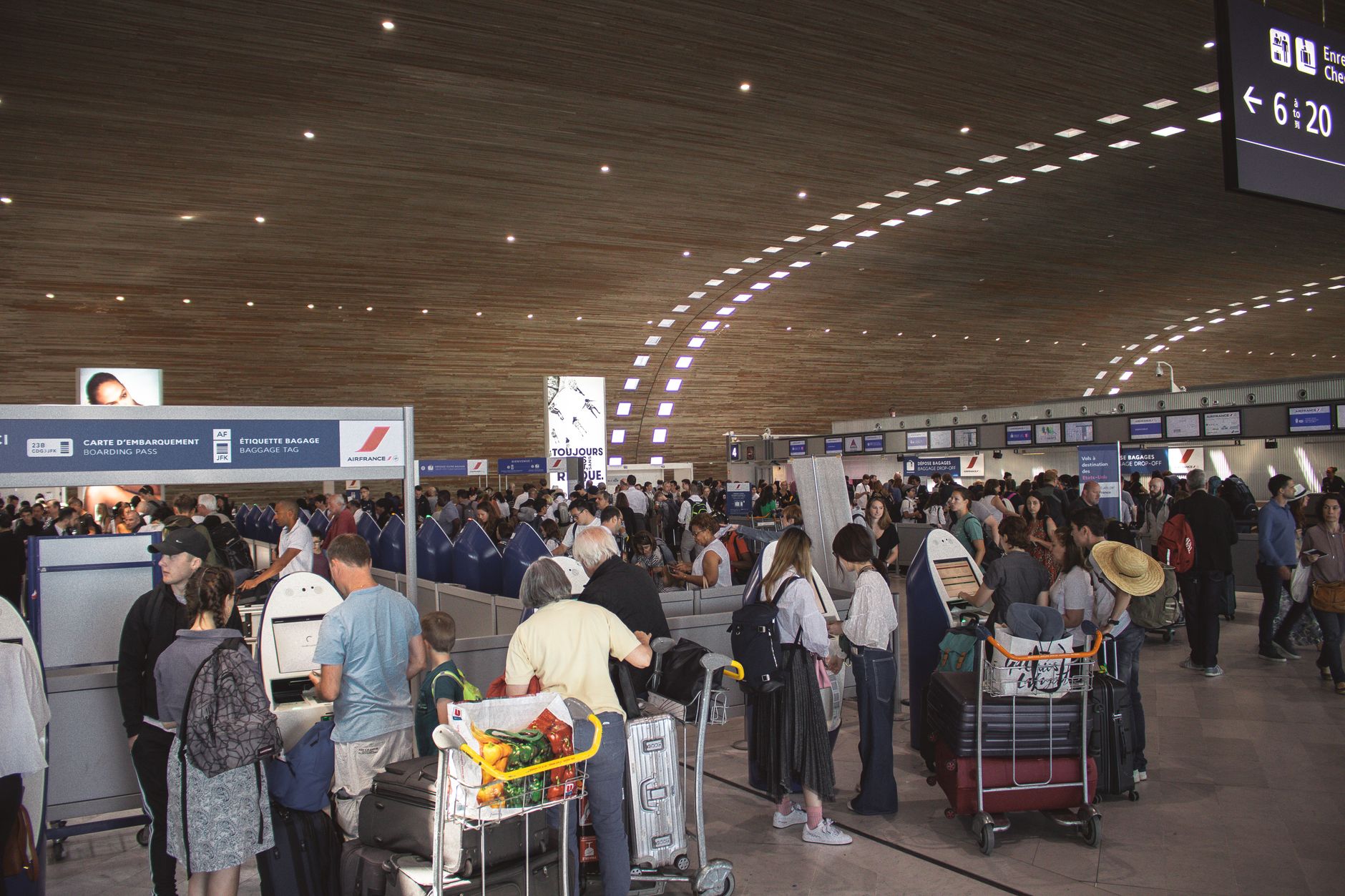

What Happened
New Revenue Management Systems (RMS) perform between 200 and 400 ticket price adjustments within a single sales period. Airlines are shifting toward a strategy of maximizing revenue per available seat mile (RASM), deliberately choosing lower aircraft occupancy (e.g., around 75%) to achieve higher margins.
Context
Traditional revenue management models focused on maximizing the load factor; however, the modern shift toward predictive demand modeling is changing the focus. Competition in the industry is no longer about price availability, but about the speed and accuracy of AI algorithms.
Why It Matters for the Industry
For the industry, the implementation of hyper-reactive pricing creates a new reality where success depends on the accuracy of predicting a specific passenger segment's willingness to pay a premium. This opens a niche for creating specialized AI travel planning agents and predictive price monitoring systems capable of competing with carrier algorithms.
Why It Matters for Users
The era of stumbling upon cheap tickets for high-demand destinations is fading. To minimize costs, it is now critical for travelers to adhere to strict rules: book tickets 4–6 weeks before departure and choose mid-week (Tuesday or Wednesday) for flights.
What Is Not Yet Known / Limitations
There are differing assessments of the consequences: technical specialists focus on system efficiency, while business experts and lawyers emphasize the negative impact on consumers and potential regulatory risks.
Sources
Author
Look at AI, Editorial Team