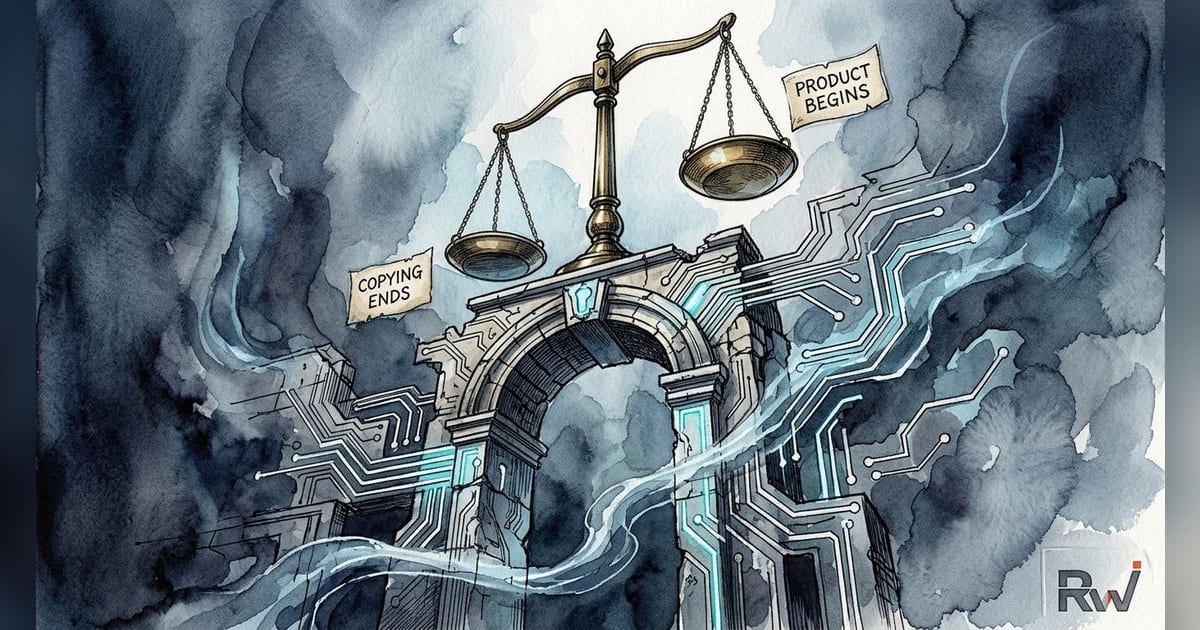
Startup Runlayer has initiated legal proceedings against HR technology giant Rippling, accusing it of misappropriating intellectual property to create a competing product.

What Happened
Runlayer claims that during a year-long pilot project, Rippling gained access to the source code and strategic roadmap of their MCP (Model Context Protocol) gateway. According to the plaintiff, this access was used by Rippling to develop its own similar solution. Rippling denies all allegations, stating that their product was developed entirely independently.
Context
The conflict revolves around a critical infrastructure layer: gateways that provide AI models access to corporate data. MCP gateways ensure the secure integration of language models with a company's internal knowledge bases, making this technology a highly valuable asset in modern AI infrastructure.
Why It Matters for the Industry
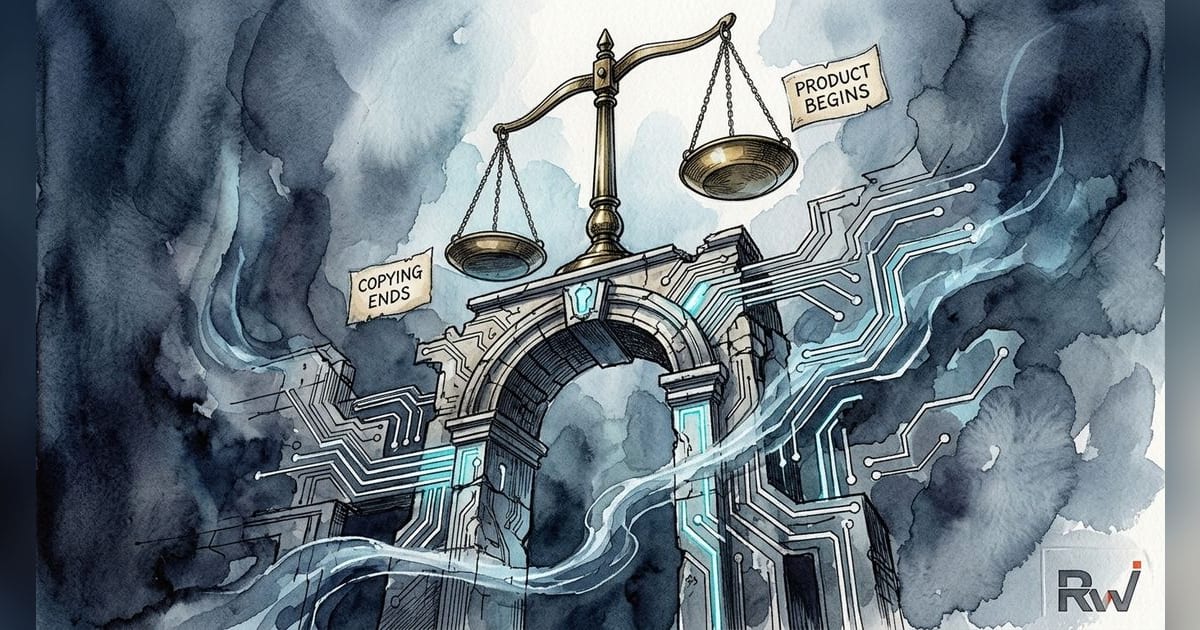
This case demonstrates a systemic risk in the "build vs. buy" strategy during deep technical collaborations between startups and large corporations. Companies building AI infrastructure face a dilemma: the need for deep integration through pilot projects to drive sales may grant potential competitors access to their intellectual property, effectively turning startups into "free R&D departments" for giants.
Why It Matters for Users
For entrepreneurs and developers, this case serves as an important lesson in protecting intellectual property in the AI era. When conducting pilot implementations and Proof of Concept (PoC) integration tests in a corporate environment, it is essential to pay increased attention to the legal integrity of NDA terms and clearly delineate rights regarding derivative developments.
What Is Not Yet Known / Limitations
At this time, the technical implementation details of both parties' products have not been disclosed; the dispute is focused on the legal aspects and business risks of using the information obtained.
Sources
Author
Look at AI, Editorial Team