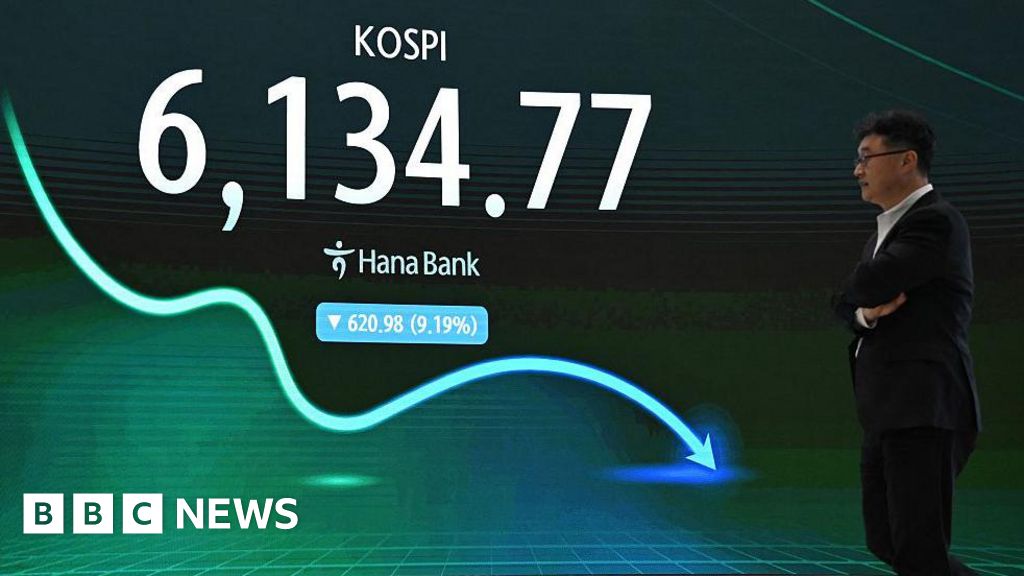
A sharp decline in the stock prices of major semiconductor manufacturers in US and Asian markets signals a shift in investor sentiment: blind enthusiasm is being replaced by a rigorous assessment of real profits from AI infrastructure.
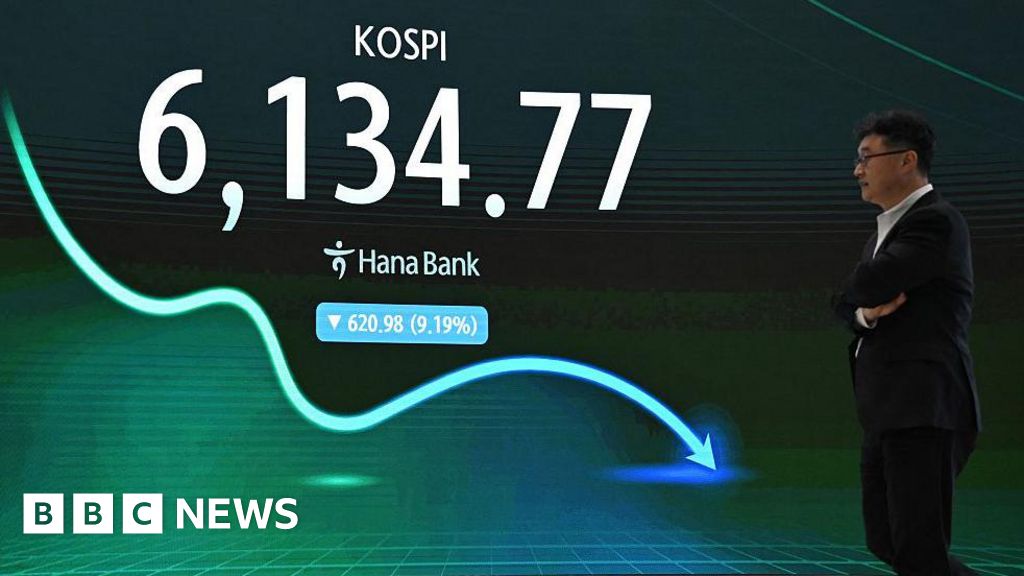
What Happened
Shares of key players in the sector showed a significant decline. In South Korea, the Kospi index fell by 10.8%, triggering a circuit breaker; shares of Samsung and SK Hynix dropped by more than 13%. In the US, Nvidia shares fell by 5%, resulting in Apple overtaking the company in market capitalization to become the world's most valuable company.
Context
The semiconductor market is transitioning from a phase of speculative growth based on the anticipation of an AI revolution to a phase of evaluating the return on investment (ROI) of capital expenditures on data centers and AI models. Investors are beginning to demand proof that massive spending on computing power translates into real revenue.
Why It Matters for the Industry
For the industry, this means a transition to a stage of more thorough auditing of the efficiency of AI infrastructure utilization. Increased volatility is expected in the semiconductor sector with every update on tech giants' spending reports. The focus is shifting from increasing capacity to optimizing the cost of model training and inference.
Why It Matters for Users
Investors and market participants should consider that the correction in the chip sector is a process of risk reassessment. It is important to track not only technological breakthroughs in AI but also the speed at which companies convert computing resources into economic benefit.
What Is Not Yet Known / Limitations
There is a divergence in the focus of assessment: from purely financial analysis by investors to an operational view by developers considering the implications for the cost of computing resources.
Sources
Author
Look at AI, Editorial Team