The use of artificial intelligence to find error patterns in code is radically changing the cybersecurity landscape, allowing for the discovery of critical vulnerabilities in the Linux kernel with unprecedented speed.
What Happened
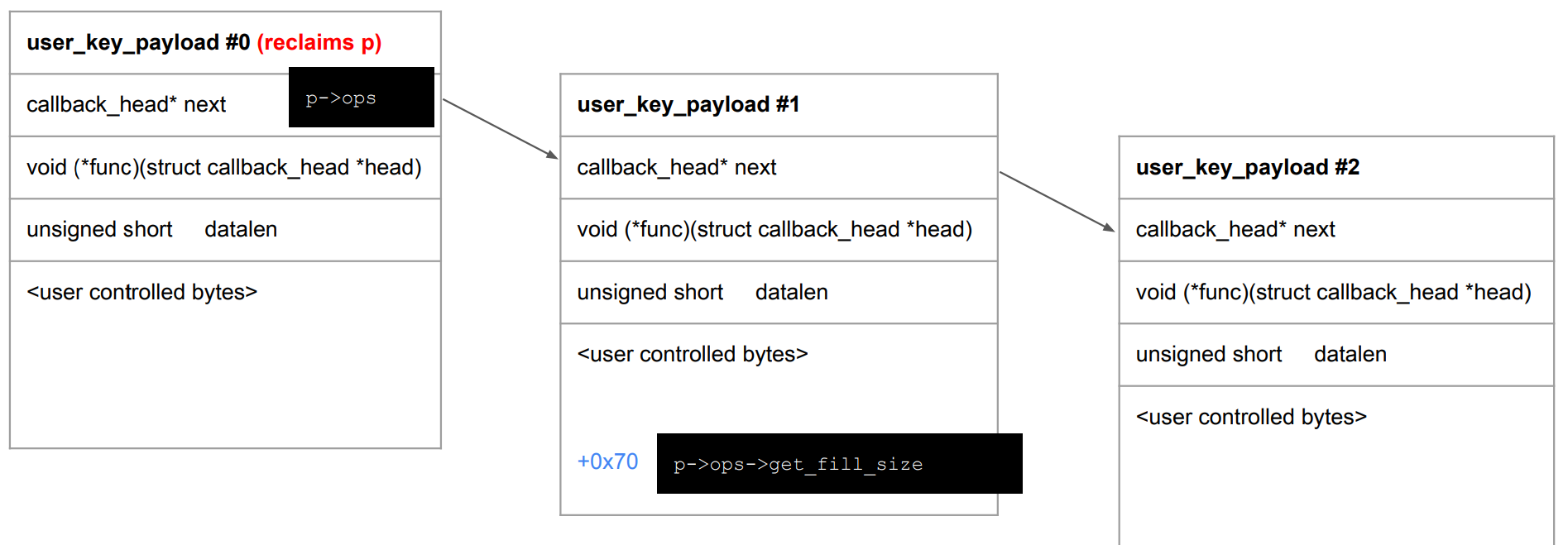
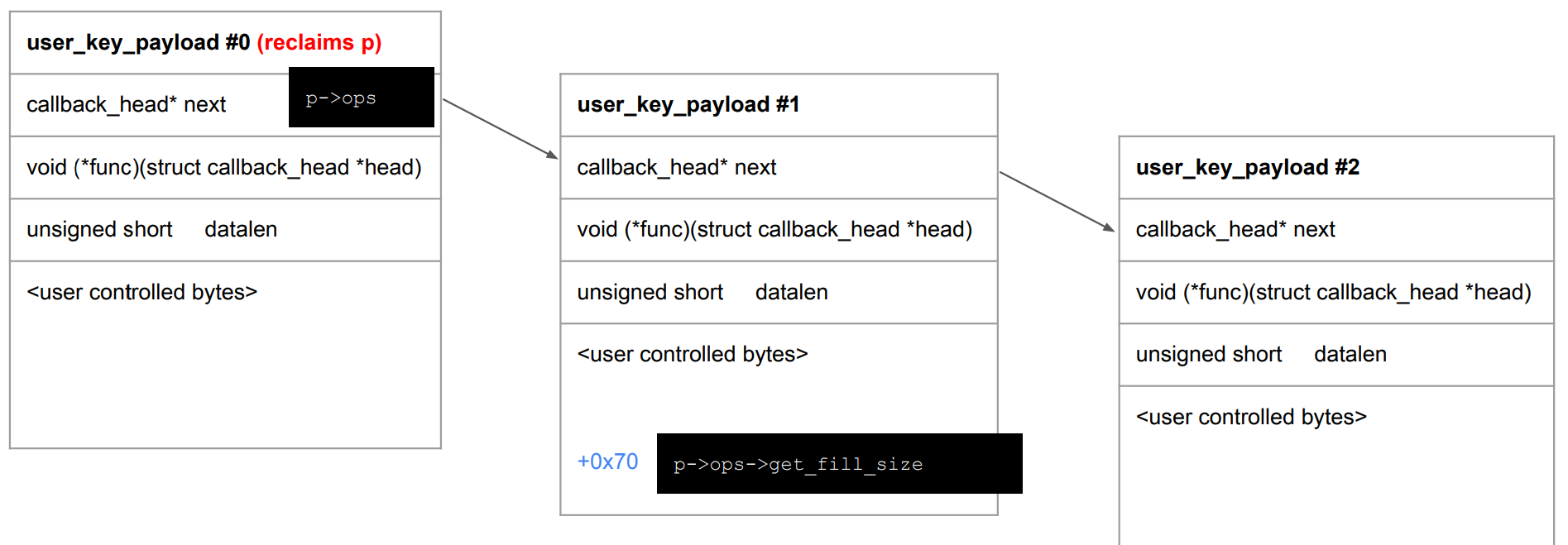
Researchers from STAR Labs presented a technical breakdown of CVE-2026-53264 — a Use-After-Free (UAF) vulnerability in the Linux kernel's packet scheduling subsystem (net/sched). The error is caused by a lock mismatch during interaction with RCU, which allows an attacker to gain control of RIP and escalate privileges to root.
Context
Traditional searching for complex logic errors, such as the incorrect use of synchronization primitives, requires significant time investment. However, applying AI tools for pattern analysis (e.g., RCU errors) allows for the automation of this process, reducing exploit development time from minutes to seconds.
Why It Matters for the Industry
The industry is facing a shift in the balance of power: the discovery of complex kernel errors is becoming so fast that searching for 0-day vulnerabilities is beginning to resemble the analysis of already known n-day bugs. This creates a critical demand for new automated code auditing tools and requires developers to implement stricter controls over the correct use of synchronization primitives.
Why It Matters for Users
For users, this is a signal of the start of a new arms race between hackers and defenders. The efficiency of AI in finding critical errors in OS kernels could lead to a surge in vulnerability exploitation in open-source components, necessitating increased attention to the security of system software.
What Is Not Yet Known / Limitations
There is a divergence in the strategic assessment of this case: ranging from a positive perception of technological progress to a skeptical forecast regarding the strengthening positions of malicious actors.
Sources
Author
Look at AI, Editorial Staff