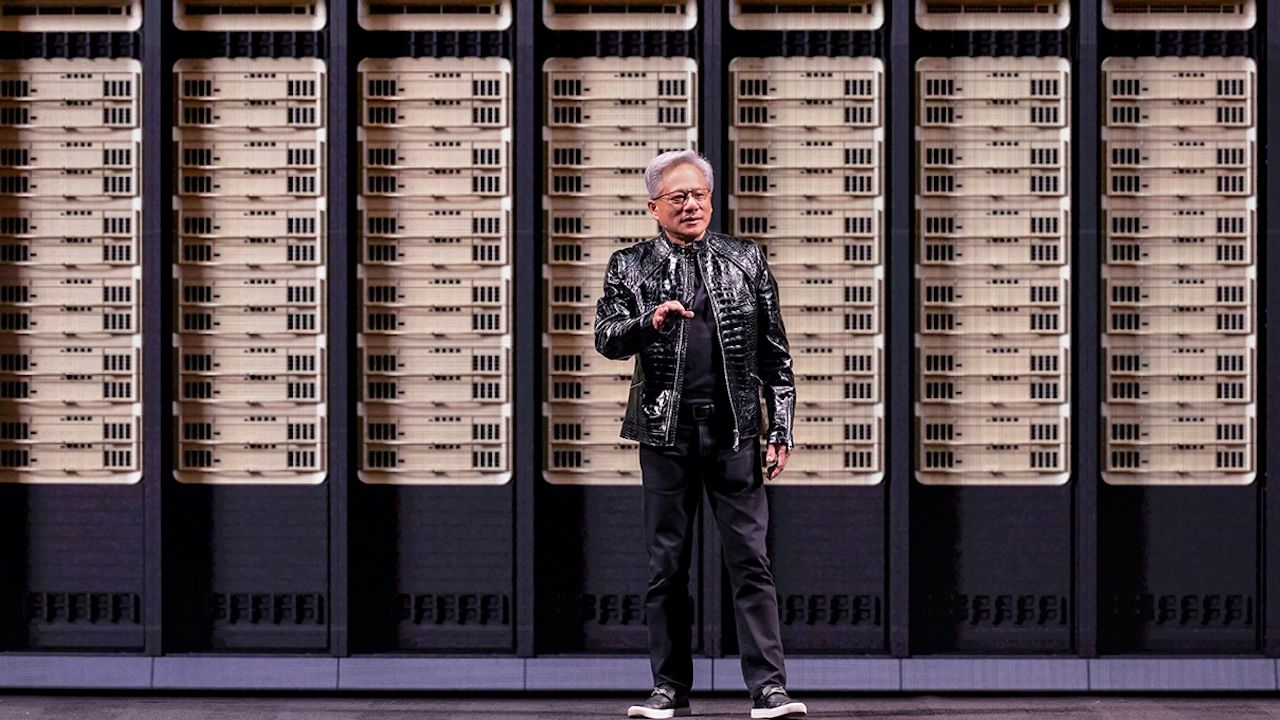
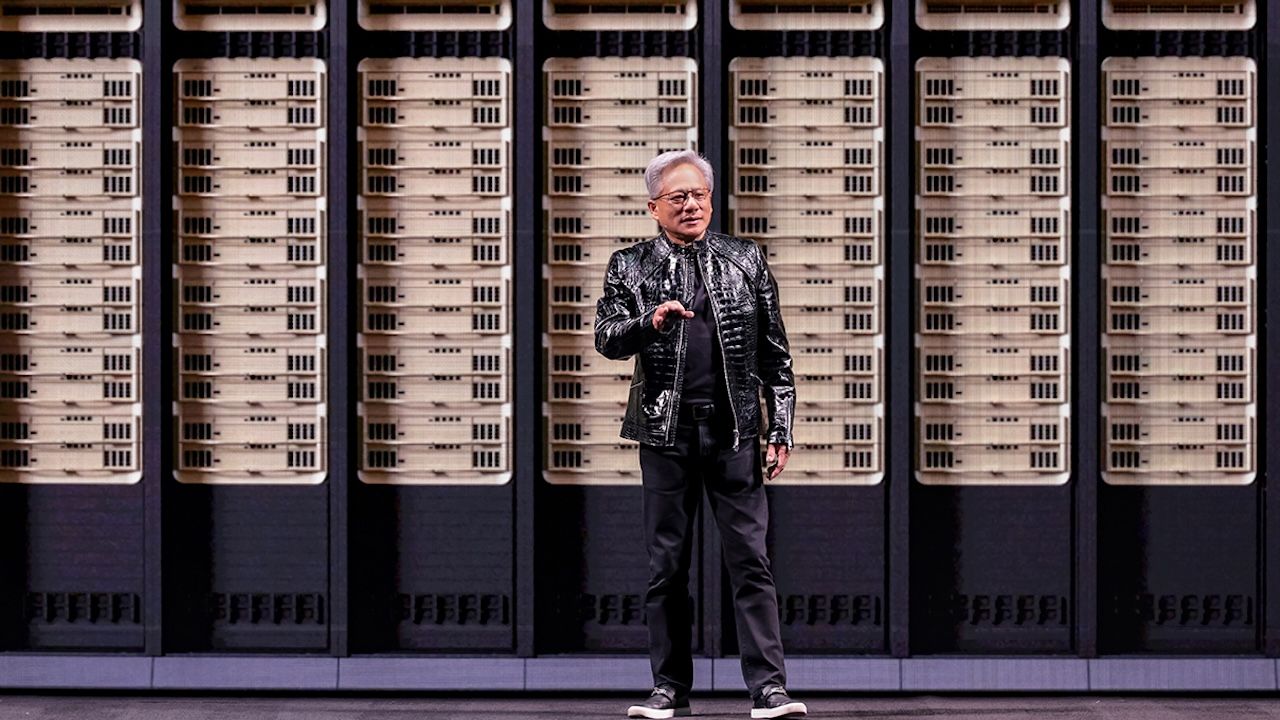
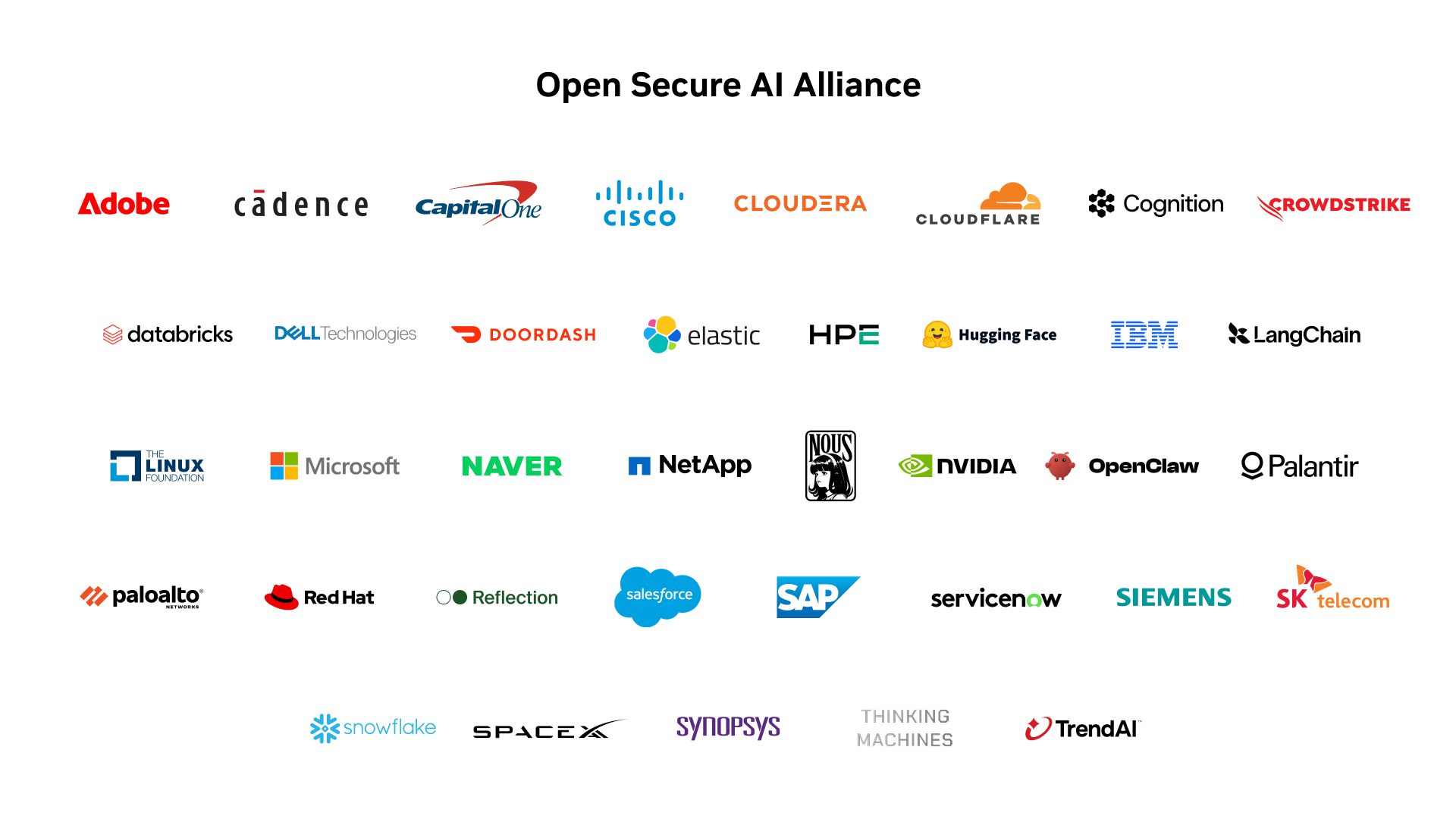
NVIDIA has initiated the creation of the Open Secure AI Alliance (OSIA), bringing together 37 participants to develop open security protocols for autonomous AI agents. Despite the participation of giants like Microsoft and IBM, key model players—OpenAI, Google, and Anthropic—have not joined the initiative.
What Happened
NVIDIA led the formation of the OSIA alliance, which includes Microsoft, SpaceXAI, IBM, Red Hat, and Hugging Face. Simultaneously with the launch of the alliance, NVIDIA introduced and open-sourced its NOOA (NVIDIA Open Operations Architecture) framework, designed to ensure transparent management of AI agents.
Context
The current industry relies heavily on closed proprietary models that often operate as "black boxes," limiting the ability for deep auditing and incident analysis. The formation of OSIA aims to create a unified stack of open management tools, including mechanisms for identification, permissions, and guardrails.
Why It Matters for the Industry
For the AI industry, this signifies a shift toward a "protection through transparency" standard. Creating an open infrastructural layer reduces developer dependency on closed provider systems and allows for full forensic analysis of agent behavior in production environments.
Why It Matters for Users
Companies implementing AI gain access to verifiable and open security mechanisms instead of relying on the opaque built-in filters of large cloud providers. This makes the use of autonomous agents more predictable and less risky for businesses.
What Is Not Yet Known / Limitations
At this time, no explicit technical disagreements have been identified; however, the positions of the largest proprietary model developers (OpenAI, Google, Anthropic) regarding participation in open security standards remain uncertain.
Sources
Author
Look at AI, Editorial Staff