
Cisco has released the Antares family, a set of highly efficient specialized open-weight models designed to automate software vulnerability discovery. The Antares-350M and Antares-1B models enable deep security audits directly within a company's private environment, minimizing data leakage risks.

What Happened
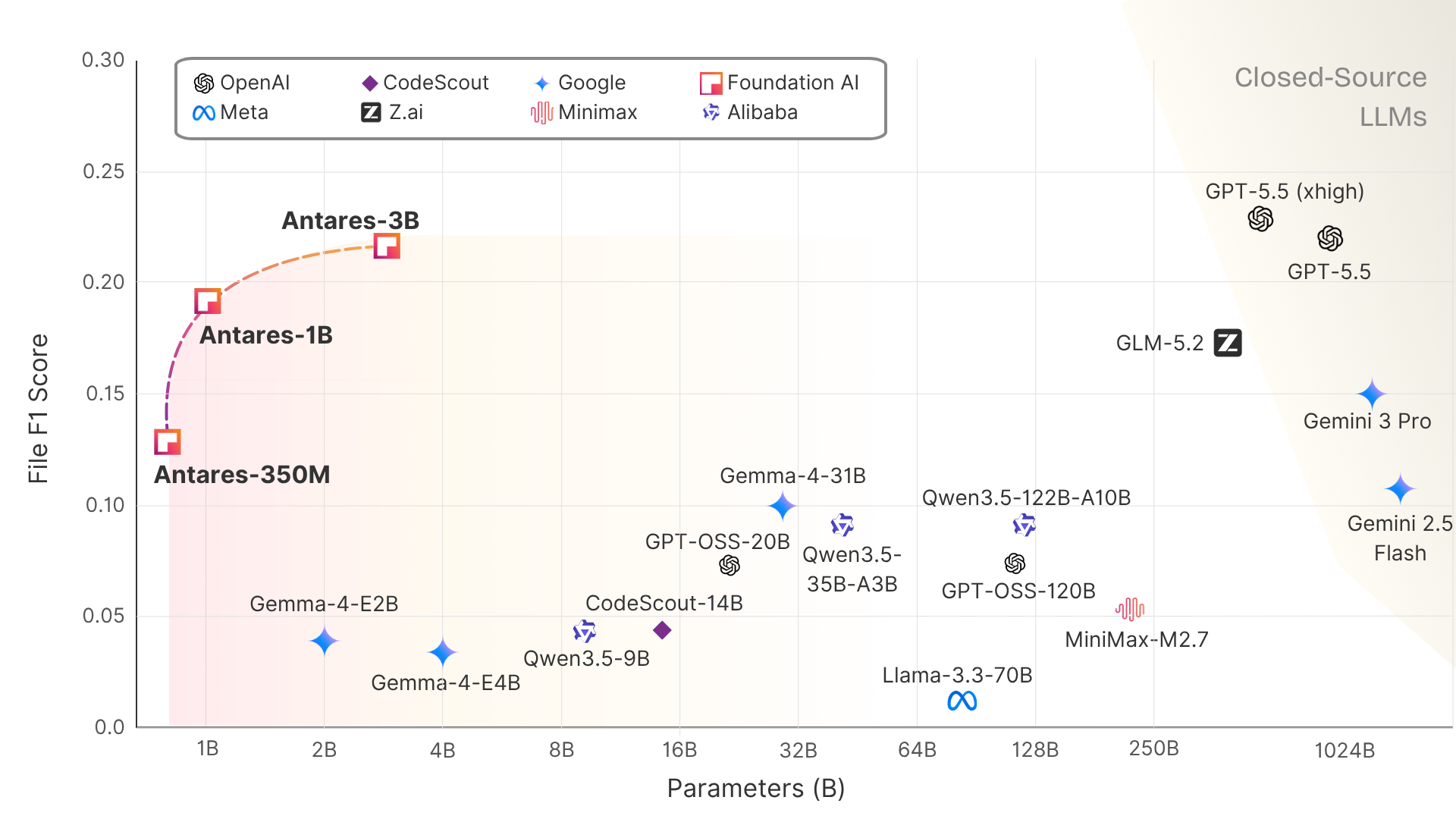
Cisco introduced the Antares Small Language Model (SLM) family, including the Antares-350M and Antares-1B versions, and announced the upcoming release of the Antares-3B model. These models utilize an iterative search pattern that mimics the workflow of a security researcher: from analyzing a vulnerability description to constructing a ranked list of files with supporting research evidence.
Context
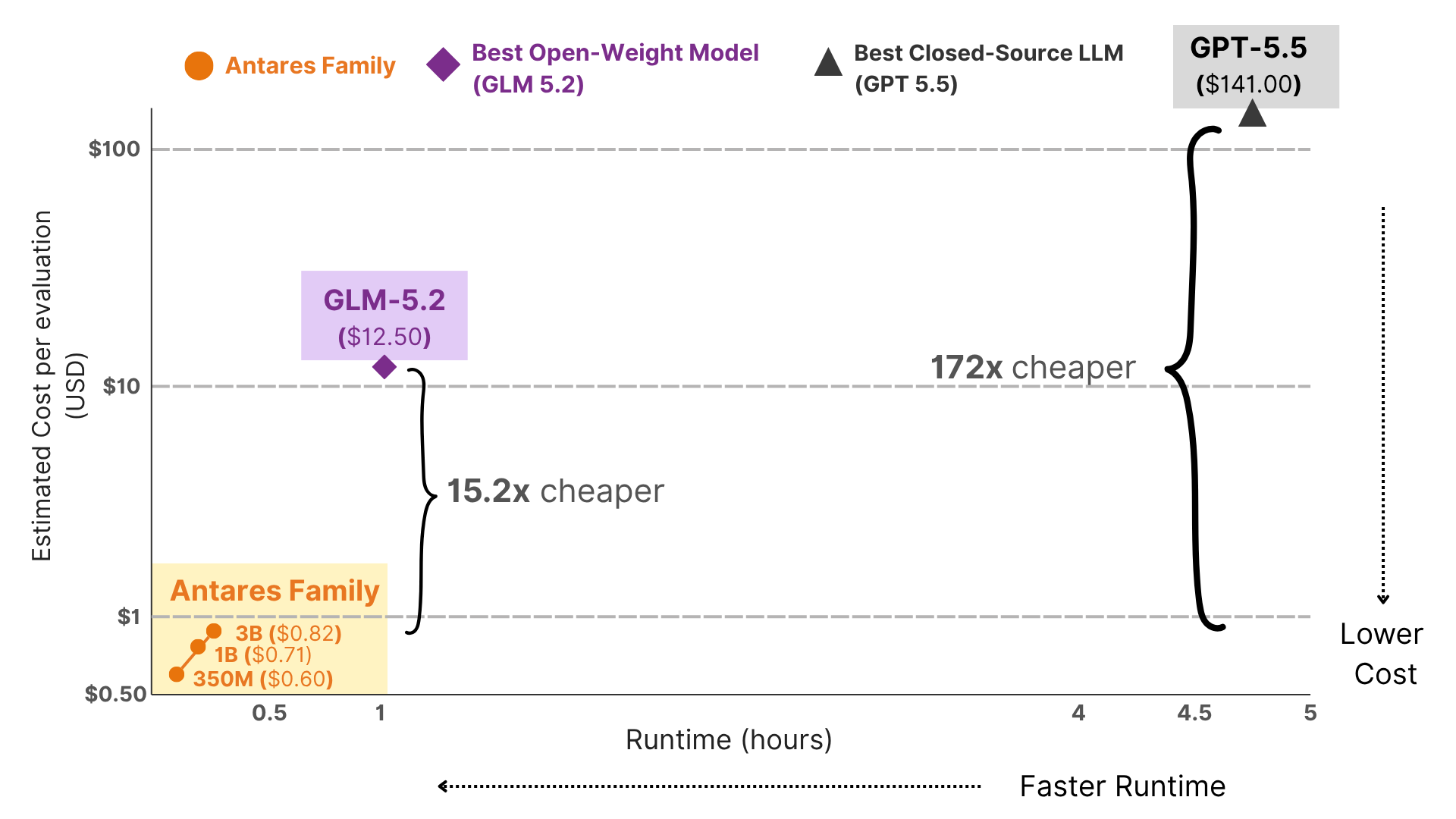
Traditionally, Large Language Models (LLMs) have been used for deep code analysis; however, using them for Application Security (AppSec) tasks involves high inference costs and the risk of transmitting proprietary code to cloud services. Antares offers a shift toward using specialized compact models that can operate effectively on-premises.
Why It Matters for the Industry
For the industry, this means the ability to scale AppSec processes and implement automated security audits directly into CI/CD pipelines without external data transmission. The transition to compact SLMs allows for the creation of specialized AI agents for Security Research and Vulnerability Localization that operate within closed corporate environments.
Why It Matters for Users
Developers and small teams can now use professional-grade tools for vulnerability searching locally on standard consumer hardware. This makes deep code auditing accessible and secure, eliminating the need for expensive cloud APIs to check confidential code.
Sources
Author
Look at AI, Editorial Team