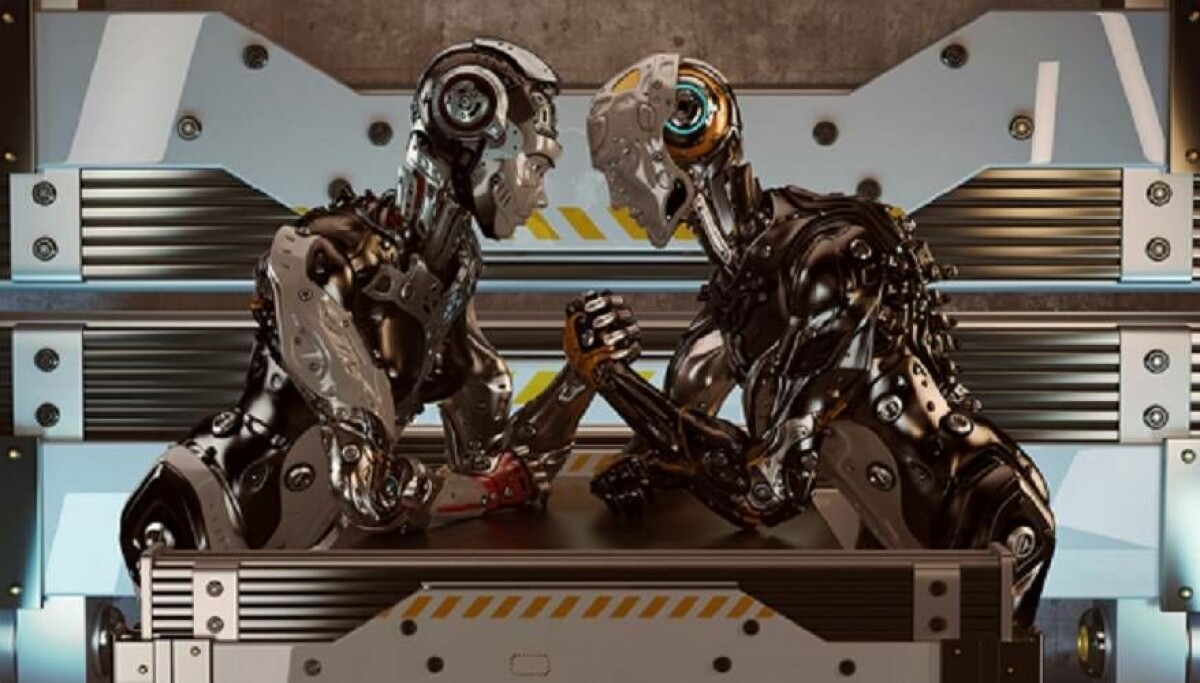
The race for AI leadership is moving from the plane of algorithms to the plane of physical infrastructure and operational flexibility. While China scales its capacity through centralized power grid management, the US faces constraints from aging infrastructure, and strict ethical filters in commercial models are creating new cybersecurity challenges.


What Happened
The US and China have entered an infrastructural struggle for AI leadership, where access to electricity has become a key factor. China is demonstrating an advantage through centralized capacity expansion and a developed generation network, while data center development in the US faces limitations from outdated and overloaded power grids. Simultaneously, in the cybersecurity sphere, the Hugging Face team encountered an issue while investigating an attack by autonomous AI agents: Western commercial models blocked the analysis due to built-in safety guardrails, forcing specialists to use the Chinese open model GLM 5.2 from Z.ai.
Context
The AI development gap is determined not only by algorithmic superiority but also by the physical availability of resources. Infrastructural and regulatory constraints are creating a critical gap between the theoretical superiority of models and their practical exploitation. Meanwhile, the US has recorded a sharp spike in measles cases—over 2,300 cases in 2026, the highest rate in 35 years, with 93% of those infected being unvaccinated.
Why It Matters for the Industry
Energy deficits are becoming the new bottleneck in the AI arms race. Strict ethical filters in commercial LLMs can paralyze IT security operations, making local open-weight models critically important for forensics. Infrastructural constraints are driving demand for specialized solutions to optimize the energy consumption of AI workloads.
Why It Matters for Users
Technological leadership now depends not only on algorithms but also on physical infrastructure. Regarding security, it is vital for specialists to have independent models at hand that will not block the analysis of potentially malicious content during cyberattack investigations.
What Is Not Yet Known / Limitations
There are differing assessments of risks: technical roles emphasize a systemic crisis in the applicability of models for critical tasks, while other roles focus on operational efficiency.
Sources
- China vs. U.S.: Race to Generate Power for AI Data Centers
- Frontier LLMs couldn't help Hugging Face fight off evil agents
- U.S. measles cases in 2026 now highest in 35 years
Author
Look at AI Editorial