Anthropic has introduced Claude Opus 5 — a model optimized for autonomously executing complex tasks and agentic coding. The new model supports a 1 million token context window and features built-in self-correction mechanisms, reducing the burden on prompt engineering.
What Happened
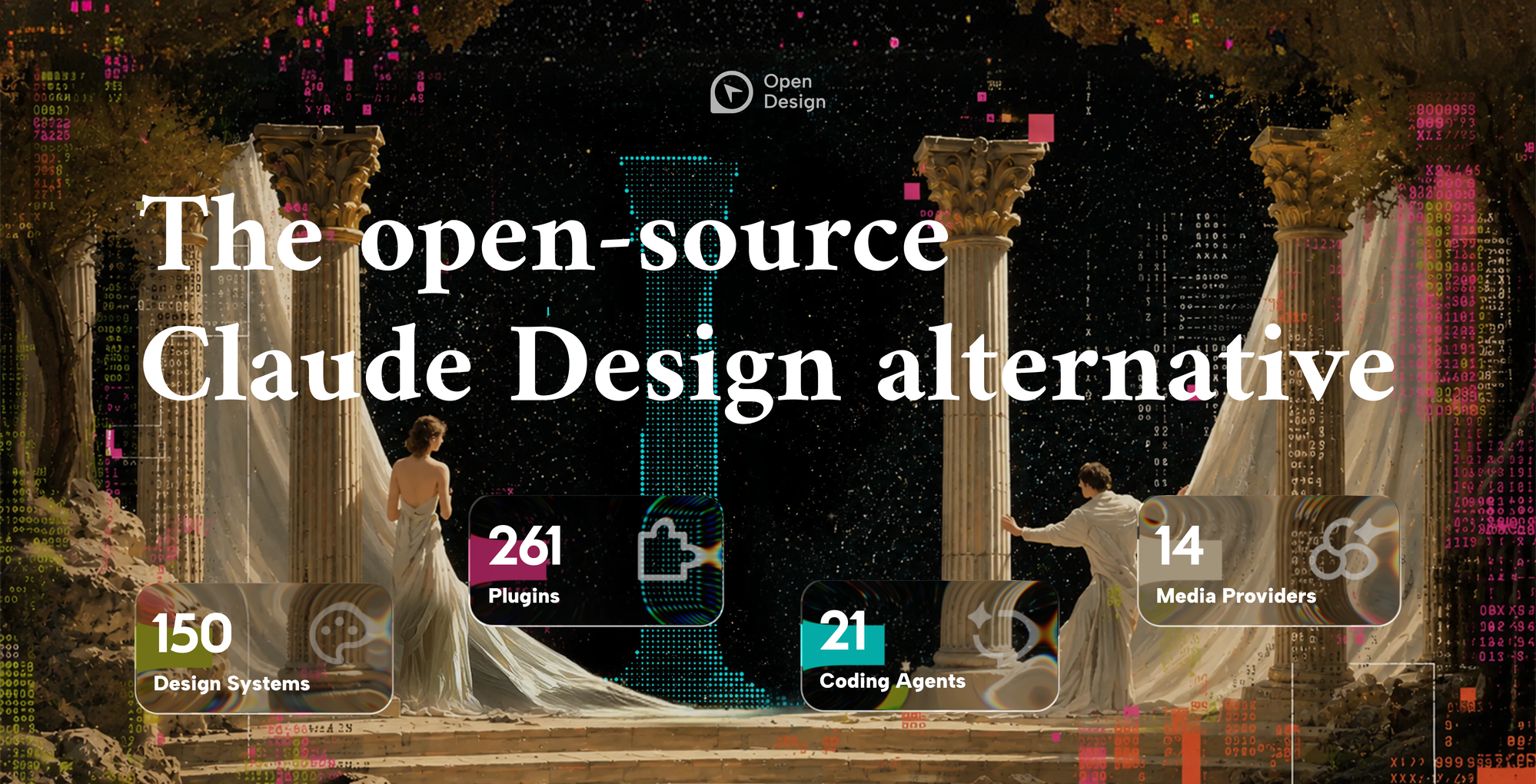
Anthropic released Claude Opus 5, which is focused on agentic workflows and tasks with long-term planning horizons. The model is capable of autonomous verification of its own actions, minimizing the need for outdated verification instructions in prompts. In parallel, the open-source project Open Design was launched, serving as an alternative to Claude Design and allowing for the generation of visual artifacts (prototypes, presentations, videos) via CLI and MCP servers using various LLMs, including Claude and Kimi.
Context
The transition to agentic architectures marks a shift from simple chat interfaces to full-fledged autonomous AI agents. Integration through MCP servers and the use of CLI tools allow design generation capabilities to be embedded directly into familiar development environments (IDEs), reducing dependence on closed proprietary ecosystems.
Why It Matters for the Industry
The release of Opus 5 strengthens the trend toward autonomous model self-correction and the growing complexity of infrastructure for tracking reasoning traces. The emergence of Open Design and the development of MCP standards create an abstraction layer that allows developers to combine different models for visual design, thereby blurring Anthropic's monopoly on advanced coding and design.
Why It Matters for Users
Developers and designers gain the ability to turn their terminal or code editor into a full-fledged design studio. Now, creating prototypes and visual content does not require switching to complex graphic editors — it is enough to use favorite neural networks through standardized development tools.
What Is Not Yet Known / Limitations
Experts have expressed concerns regarding technical risks, such as attention degradation (lost-in-the-middle) when working with long contexts, as well as the difficulties of auditing complex reasoning chains.
Sources
Author
Look at AI, Editorial Team