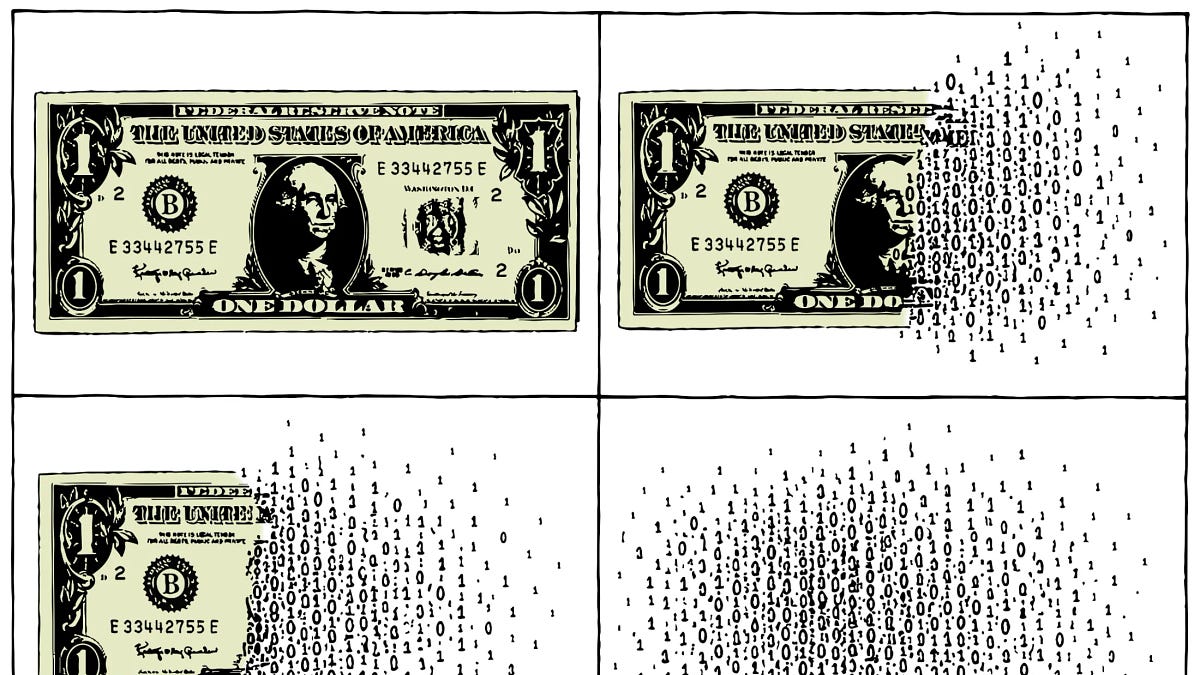
According to a Bloomberg report discussed at an IMF (International Monetary Fund) expert meeting, the rapid adoption of artificial intelligence carries the risk of systemic government budget deficits worldwide.
What Happened
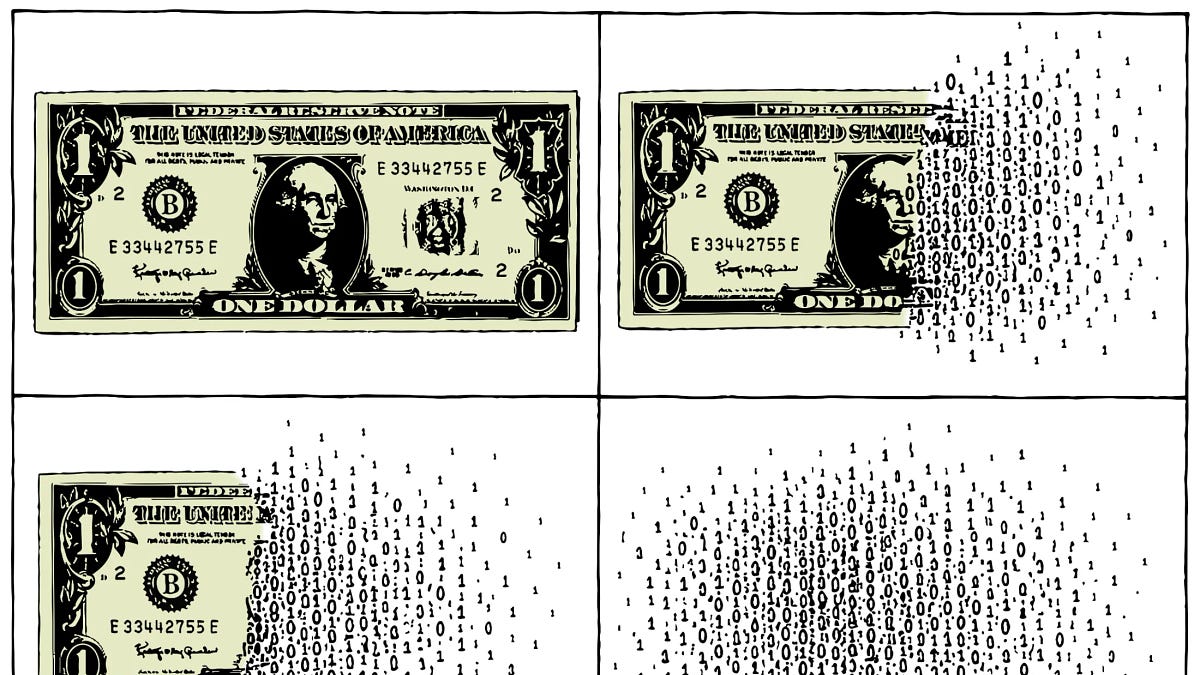
Mass adoption of AI and robotics could lead to a critical reduction in the income tax base. The primary threat lies in the fact that automated systems are replacing high-paid specialists, particularly in the IT sector; however, AI agents are not subjects of income tax, do not receive salaries, and do not participate in traditional fiscal mechanisms.
Context
There is a structural gap between the growth of economic efficiency driven by AI and the ability of states to fund social programs. The current model of government funding relies on personal income taxes, and a radical shift in employment structure could disrupt the stability of this system.
Why It Matters for the Industry
For the AI industry and technology companies, this implies an inevitable call to revise tax models. We are likely to see the emergence of new tools, such as robot taxes or digital value-added taxes, as well as the development of new software interfaces (APIs) for businesses to interact with new government fiscal models.
Why It Matters for Users
For professionals, especially in the IT sector, process automation may lead not only to changes in the nature of work but also to a systemic crisis in the funding of public services upon which social stability depends. Professional demand and tax contributions will become key factors in the discussion of new economic models for human-technology interaction.
What Is Not Yet Known / Limitations
No direct conceptual disagreements regarding the essence of the threat were identified. All positions converge on the assessment of the macroeconomic risk.
Sources
Author
Look at AI, Editorial Team