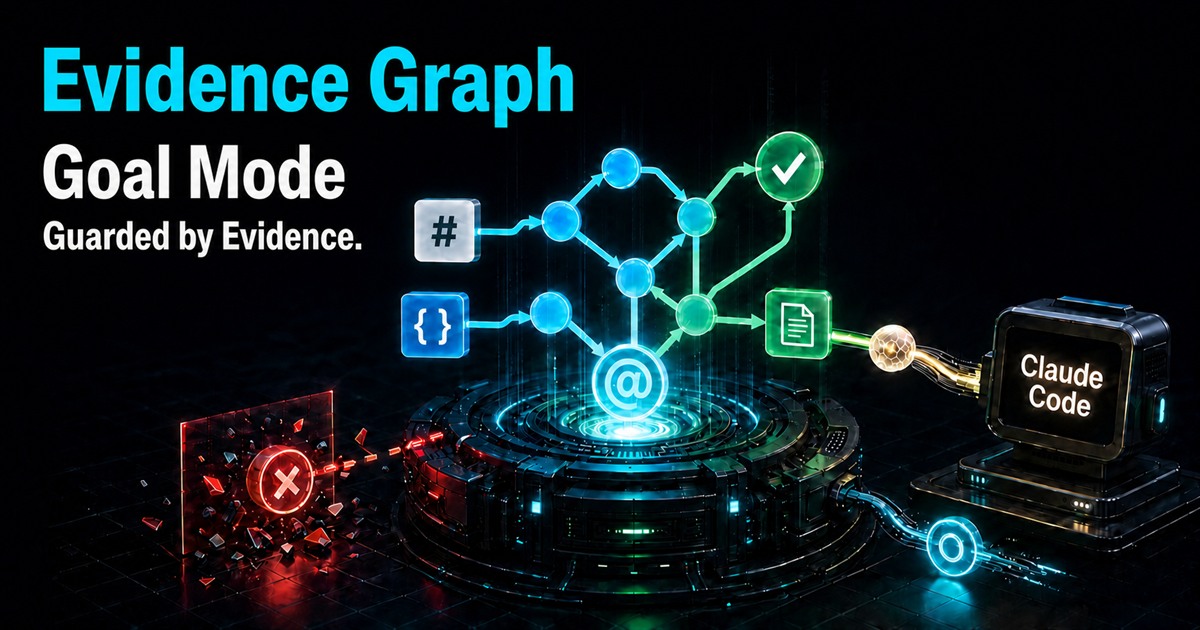
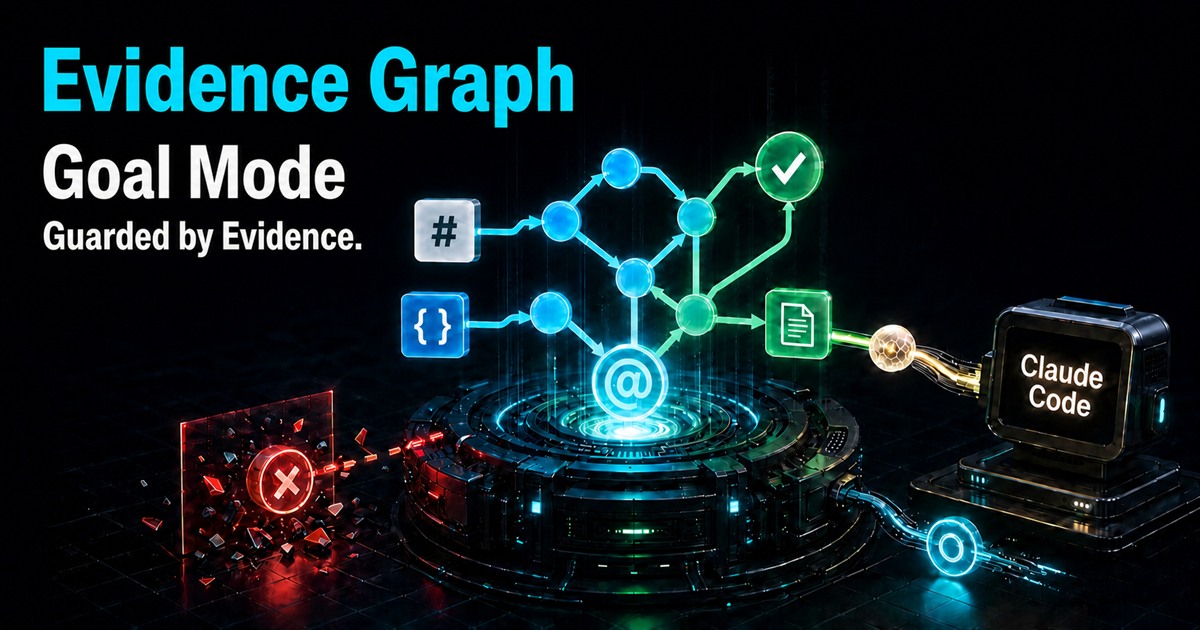
The Evidence Graph lint plugin for the @ttsc/lint toolchain has been introduced, turning documentation and API specifications into mandatory elements of an evidence graph, allowing for the detection of mismatches between code and requirements at compile time.
What Happened
A developer has introduced Evidence Graph—a static analysis tool integrated via a lint plugin for @ttsc/lint. The system uses @evidence JSDoc tags to link code implementation with requirements described in Markdown, OpenAPI/Swagger, or TypeScript symbols. If the code or tests do not contain the corresponding tags confirming the fulfillment of a specific requirement, the build process via ttsc terminates with an error.
Context
With the rise of autonomous AI coders, the problem of "spec drift" has emerged, where agents may change or omit parts of the logic without notifying the developer. Traditional verification methods, such as manual review or dynamic testing, are not always effective for controlling the completeness of implementation against all documentation requirements in real time.
Why It Matters for the Industry
The tool introduces a new pattern called Verified Agentic Coding, moving documentation compliance verification from the realm of manual control into the category of static type checking. This creates a necessary layer of reliability in the AI-driven development stack, turning passive documentation into an active verification system that becomes part of the build process.
Why It Matters for Users
Developers gain an instant feedback mechanism: instead of manually checking diffs for compliance with technical specifications, they receive a compilation error if an AI agent misses a crucial point. This significantly reduces the load on Code Review and accelerates the error correction cycle when code deviates from specifications.
Sources
Author
Look at AI, Editorial Staff