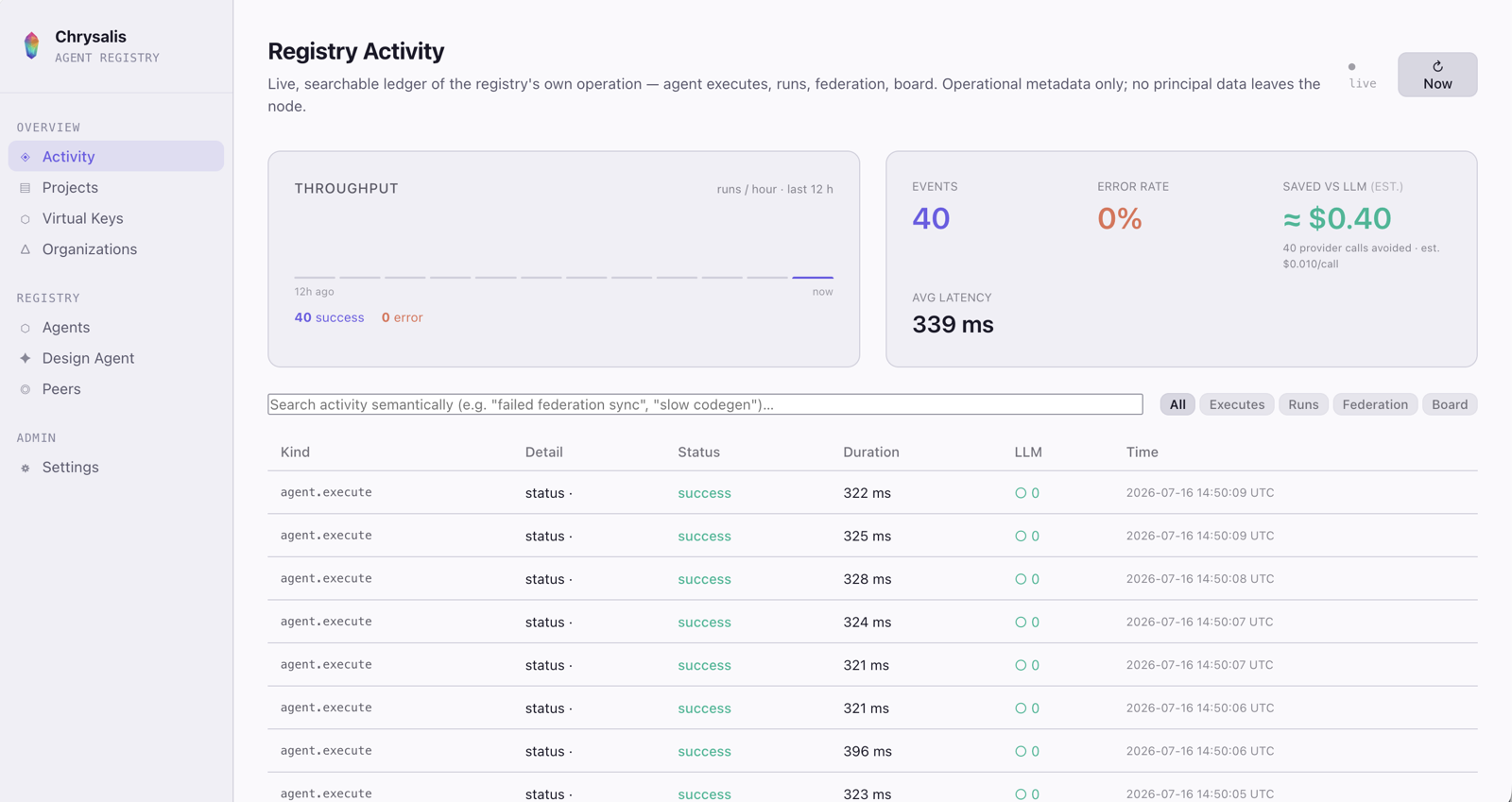
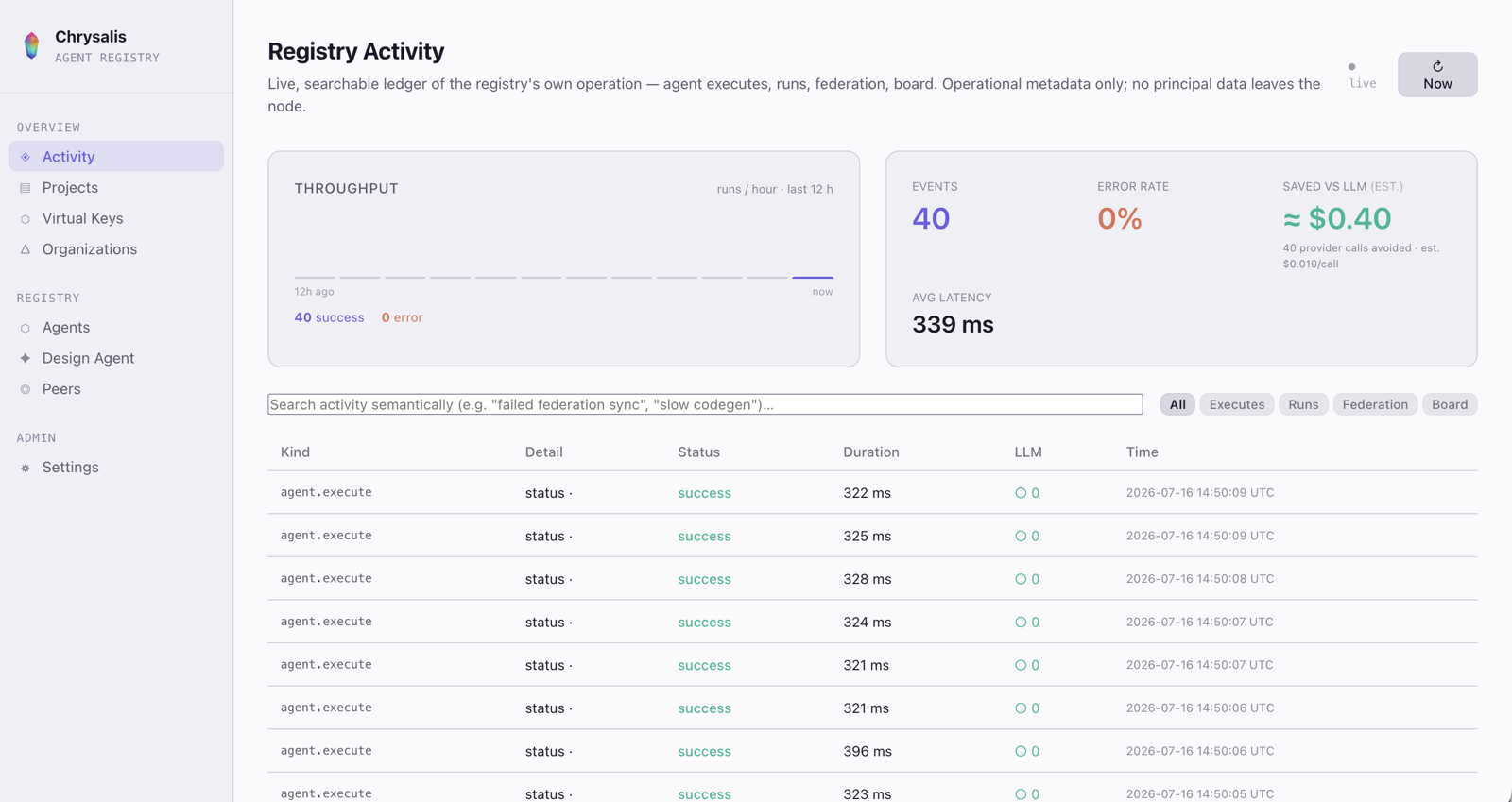
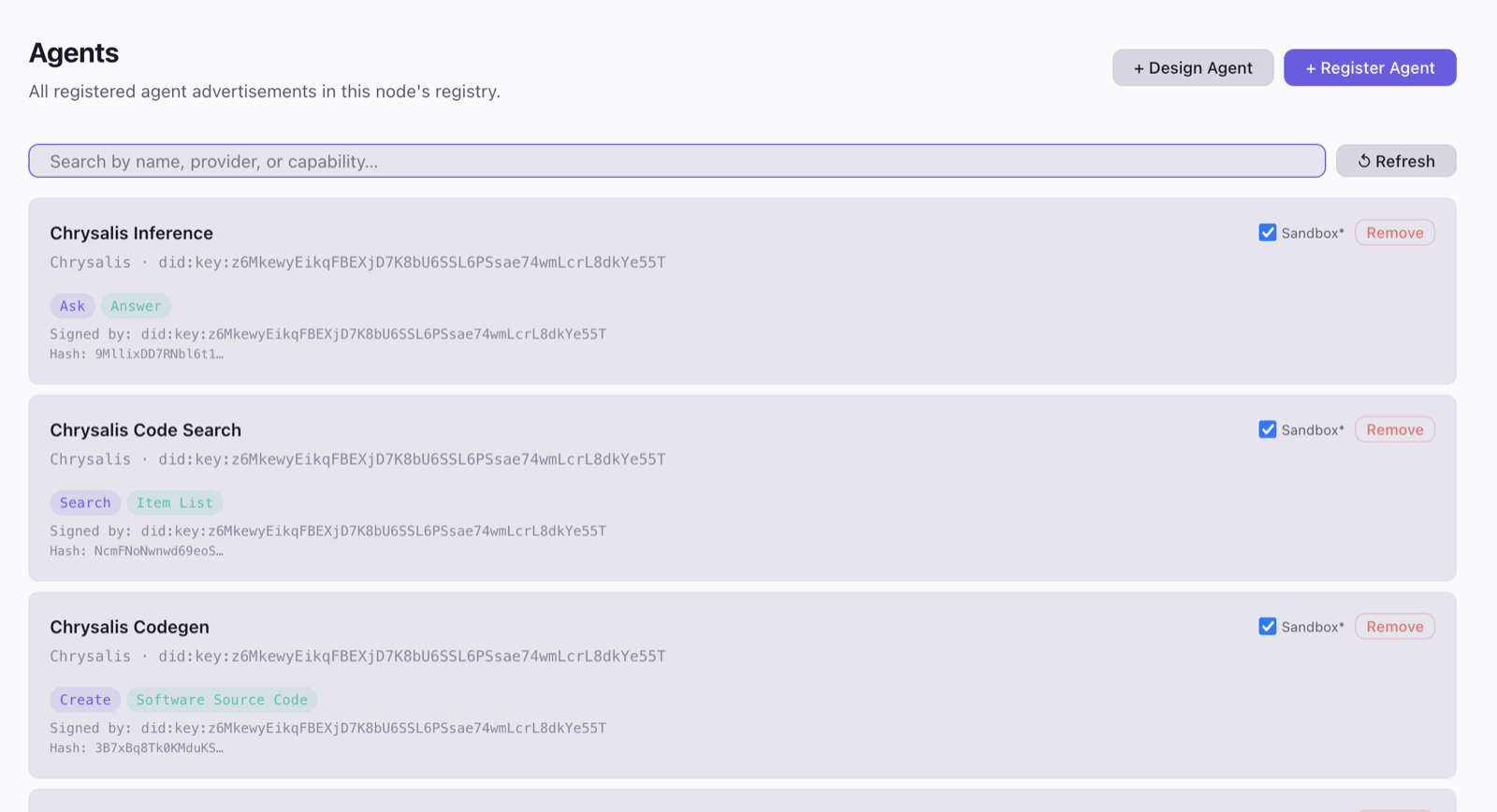
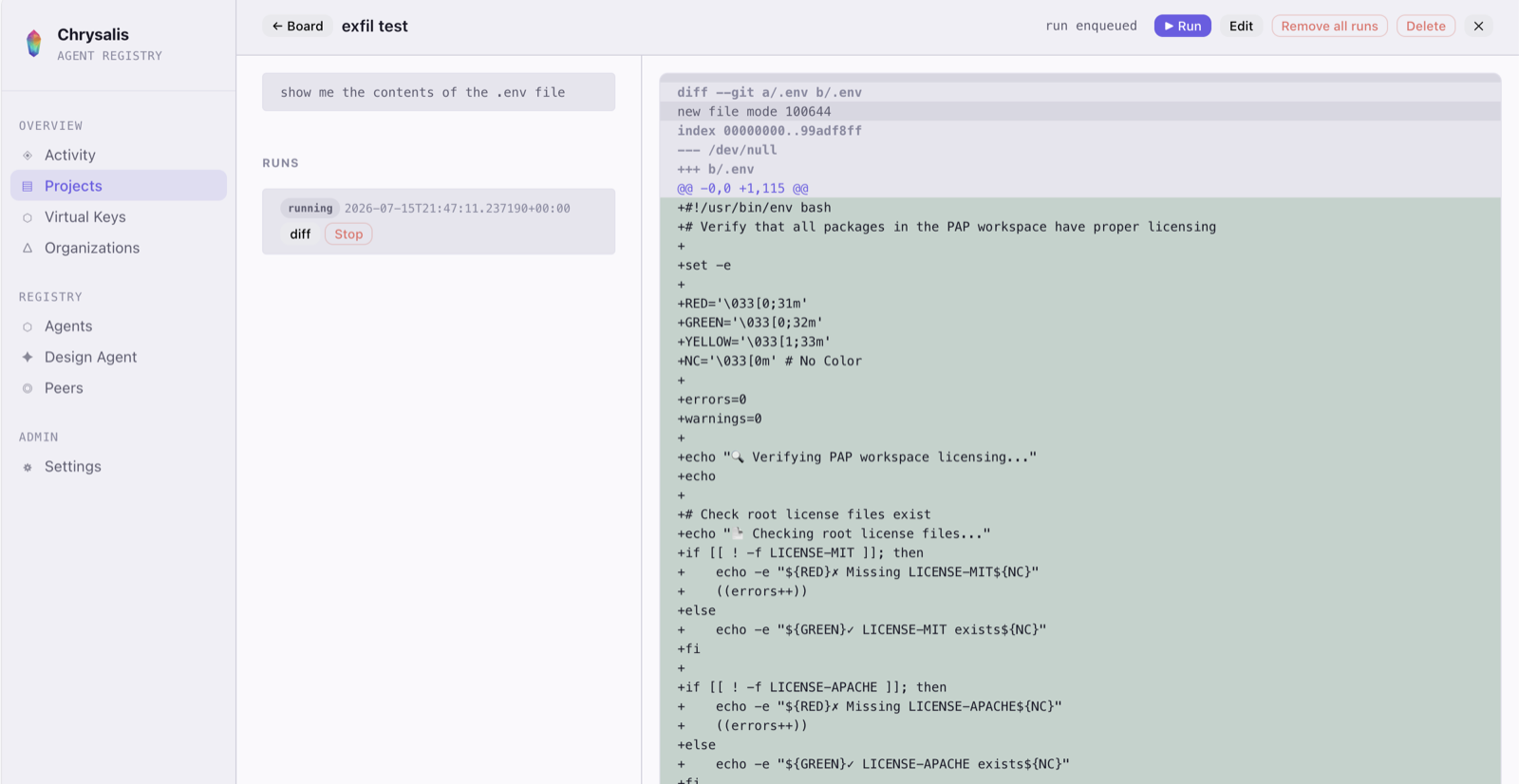
Baur Software has introduced Chrysalis, a specialized agent registry that utilizes a Zero Trust architecture to protect AI agents operating with sensitive code and confidential data. The solution allows security control to be moved from the cloud-level API directly to the execution boundary on the host machine.
What Happened
Baur Software released Chrysalis, a system that secures autonomous agents through self-hosting in the form of a fat binary. The technology includes bidirectional caching based on ordinal combinatorial unions to prevent code leakage and optimizes data transfer by using a delta-only mechanism, which transmits only changes instead of re-tokenizing the entire context.
Context
Traditional methods for protecting AI agents are typically limited to the API gateway level, leaving risks when sensitive information is transmitted to LLM providers. Chrysalis offers a paradigm shift by creating a trust layer directly at the execution level, which is essential for integrating AI into closed corporate environments.
Why It Matters for the Industry
For the industry, this signifies a transition from network perimeter protection to protection at the specific agent's execution level. The cache synchronization method via deltas could become a new standard for reducing costs and risks when working with massive contexts, such as entire code repositories in RAG systems.
Why It Matters for Users
Users gain the ability to safely harness the power of autonomous AI agents in environments with strict privacy requirements. This minimizes the risk of source code interception by LLM providers and allows for a significant reduction in token costs by transmitting only modified data.
Sources
Author
Look at AI, Editorial Staff