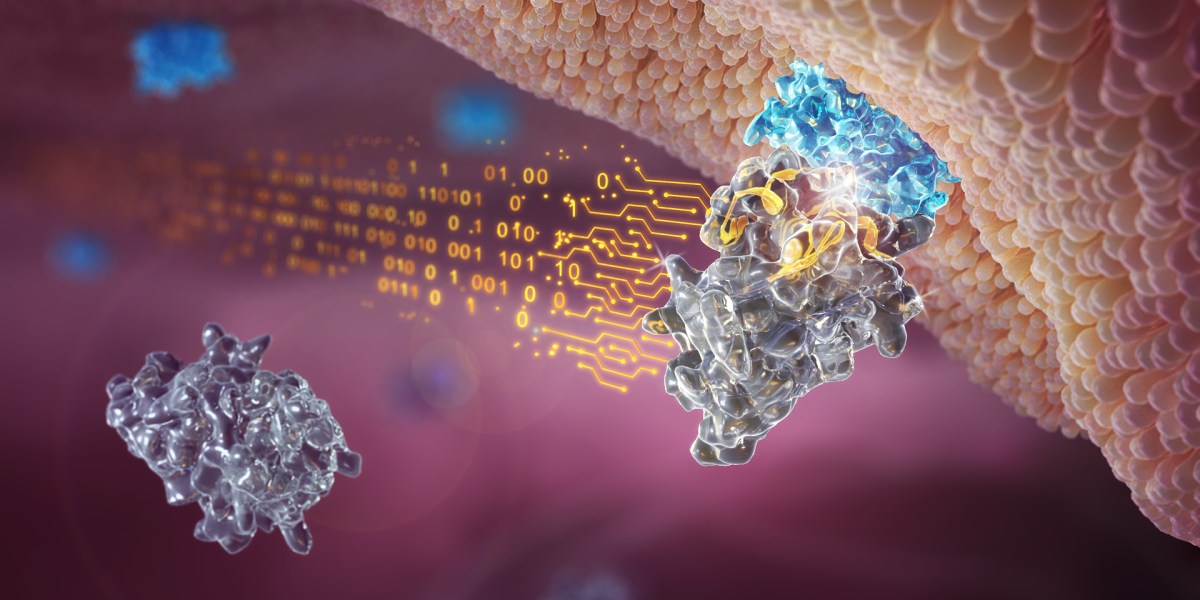
Artificial intelligence is transforming the development of biological drugs, enabling a transition from traditional manual searching to autonomous closed-loop systems. New technologies allow for the de novo design of medicines, simultaneously optimizing their efficacy, stability, and safety.

What Happened
The development of new biologics is shifting toward the use of agentic AI and robotics, allowing for the creation of autonomous systems for molecular design. The integration of these technologies has the potential to reduce drug development timelines by 50%, turning the process into a manageable engineering task.
Context
Modern biopharmaceuticals are striving to create specialized architectures and pipelines for protein design. Using AI models allows for the automation of the full cycle: from de novo molecular design to laboratory testing via specialized APIs and integration with robotic equipment.
Why It Matters for the Industry
For the industry, this means a radical reduction in development risks and costs through the automation of protein and multispecific molecule design. The process becomes more predictable, lowering entry barriers for new AI-first biotech startups.
Why It Matters for Users
For patients and the medical community, this means faster market access to new treatments for complex diseases and the dawn of an era of programmable medicine, where drugs are created for specific biological targets.
Sources
Author
Look at AI, Editorial Team