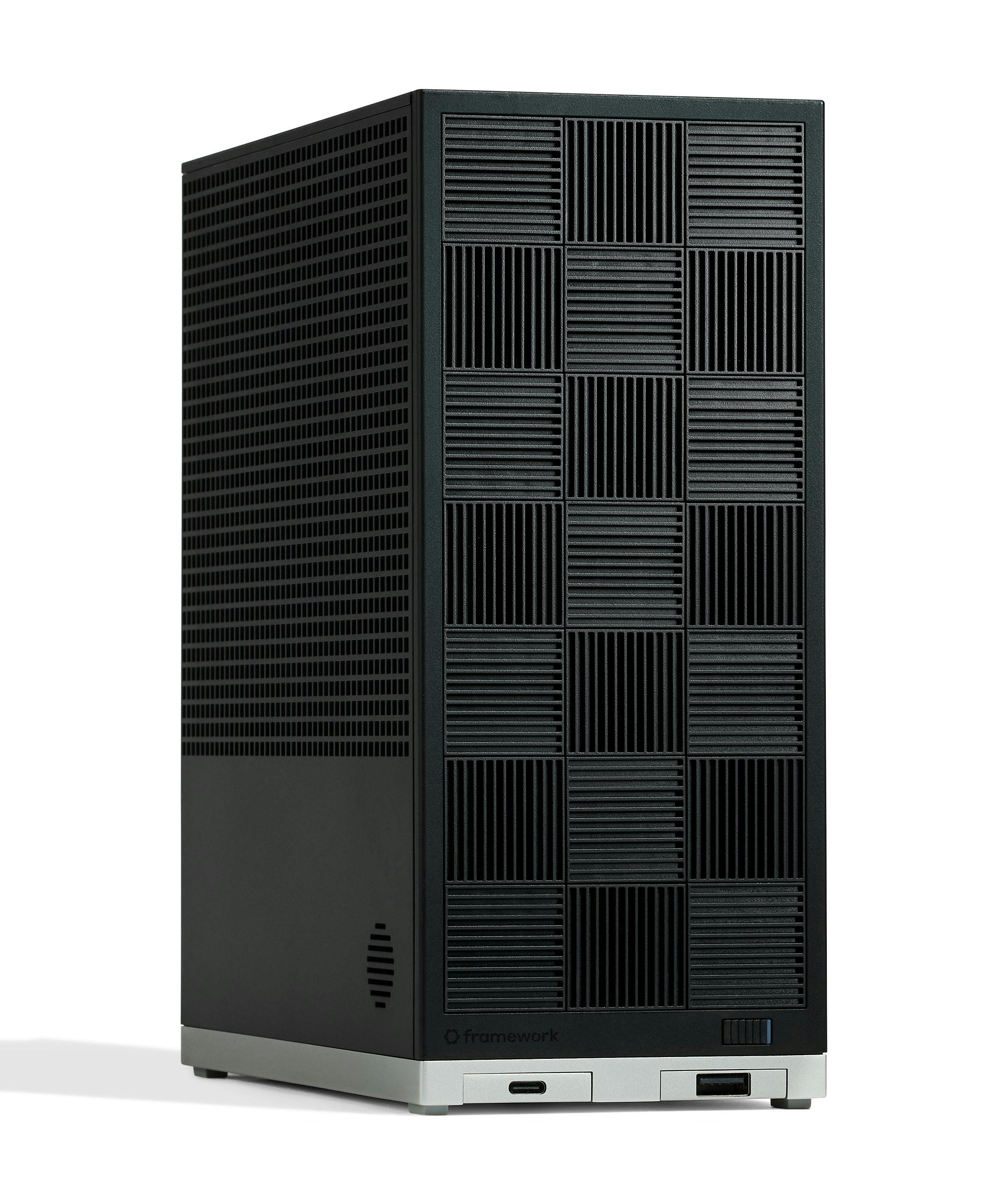
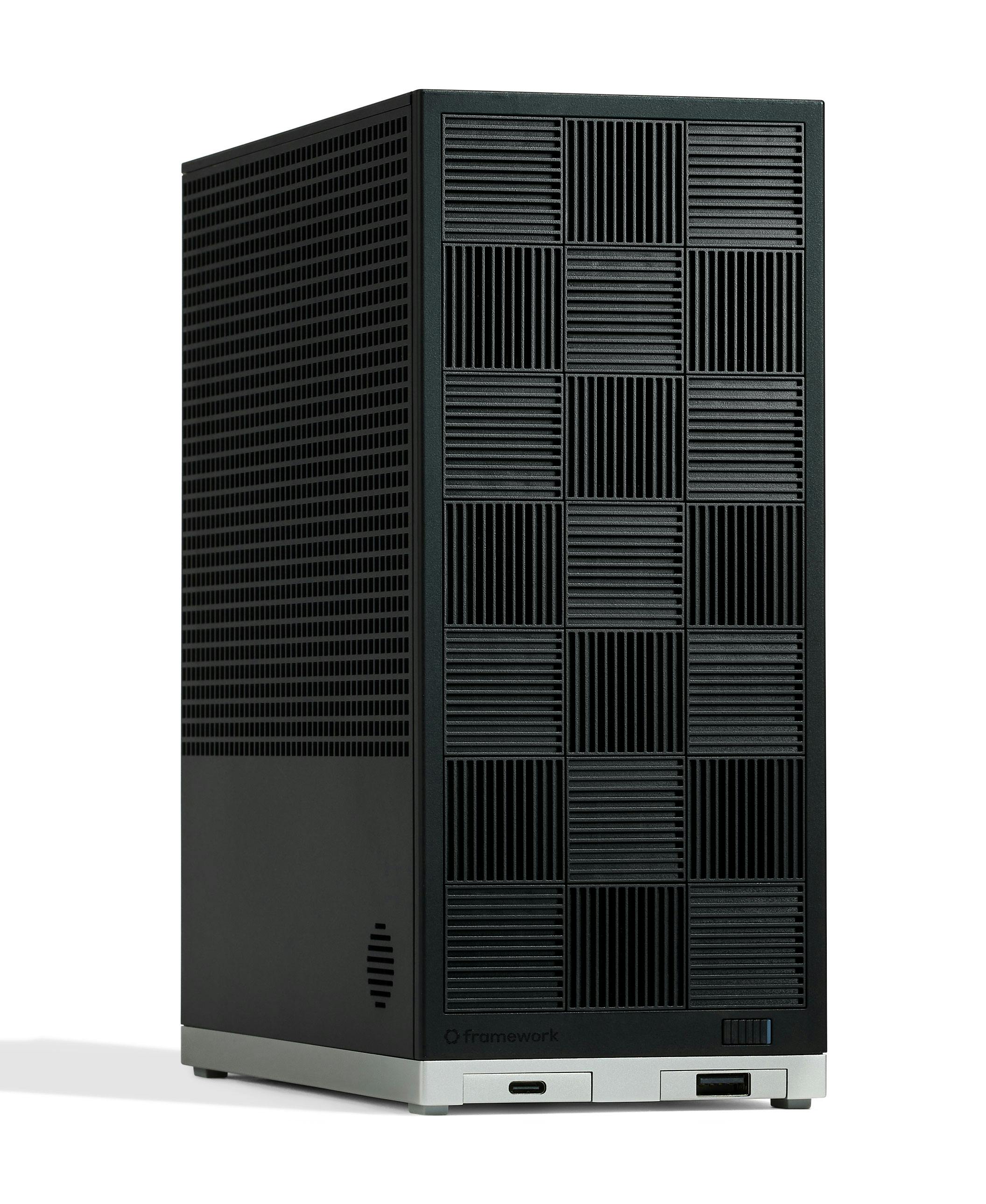
Framework has announced a new configuration for its 4.5-liter mini-PC, which is capable of becoming a powerful local workstation for machine learning tasks thanks to support for up to 192GB of unified memory.
What Happened
Framework's new solution is based on the AMD Ryzen AI Max+ PRO 495 processor with Zen 5 architecture. The device features up to 192GB of LPDDR5X unified memory with a bandwidth of 273 GB/s and an AMD Radeon 8065S GPU with 40 compute units (CU). The NPU performance reaches 131 TOPS, targeting heavy AI tasks and gaming.
Context
The 192GB unified memory capacity is a critical factor for working with Large Language Models (LLMs). The high memory bandwidth (273 GB/s) directly impacts text generation speed (inference), eliminating a typical bottleneck when working with heavy models on consumer hardware.
Why It Matters for the Industry
The emergence of compact systems with such high memory capacity brings the capabilities of local LLM execution closer to the level of professional server or multi-processor workstations. This creates a new segment of edge-workstations, allowing developers and startups to transition from renting cloud GPUs to efficient hybrid or fully local workflows.
Why It Matters for Users
For developers and ML enthusiasts, this offers the opportunity to build a powerful local development environment for testing and fine-tuning models while occupying minimal desk space. The device supports Linux, making it a convenient tool for creating personal knowledge bases based on RAG without the need for constant cloud connectivity.
What Is Not Yet Known / Limitations
There are potential challenges in attempting to integrate such mini-PCs into corporate environments, related to security concerns and IT infrastructure management standards.
Sources
Author
Look at AI, Editorial Team