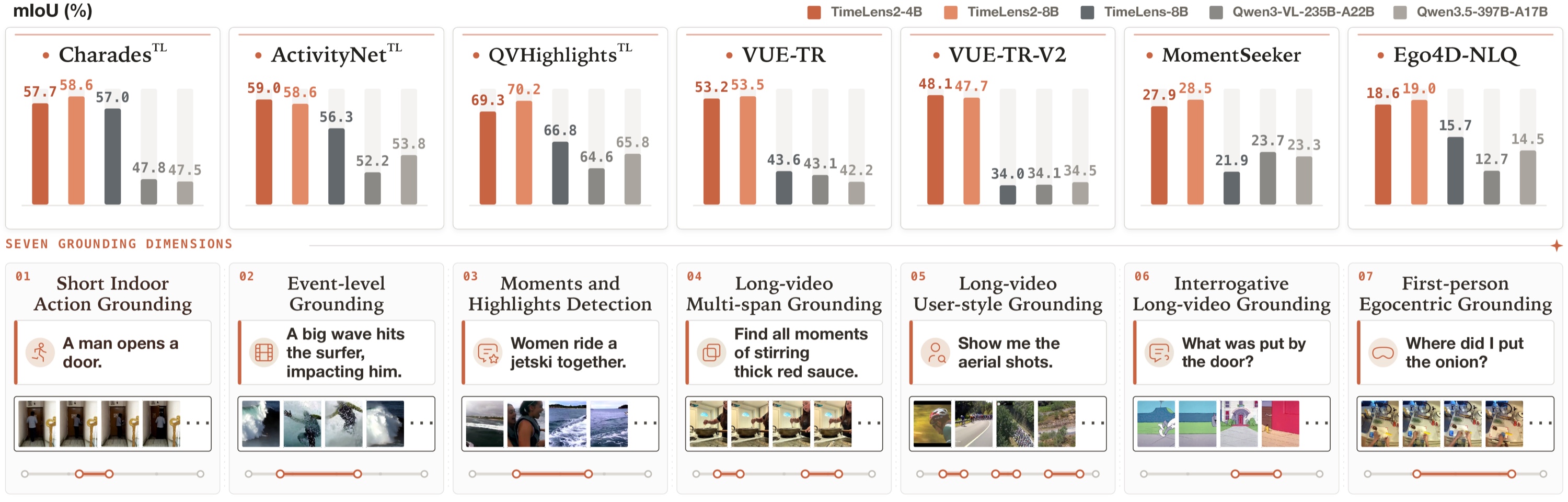
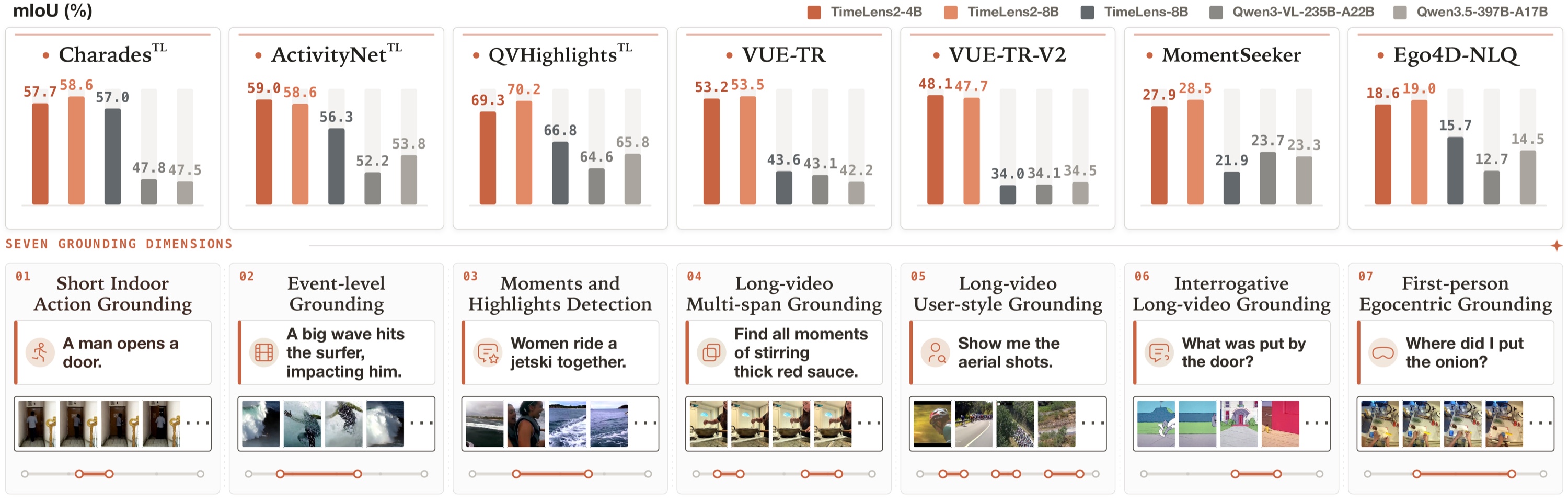
The TimeLens2 family of multimodal models (with 4B and 8B parameters) has been introduced, specializing in the task of temporal grounding—precisely locating specific moments in a video based on a text description.
What Happened
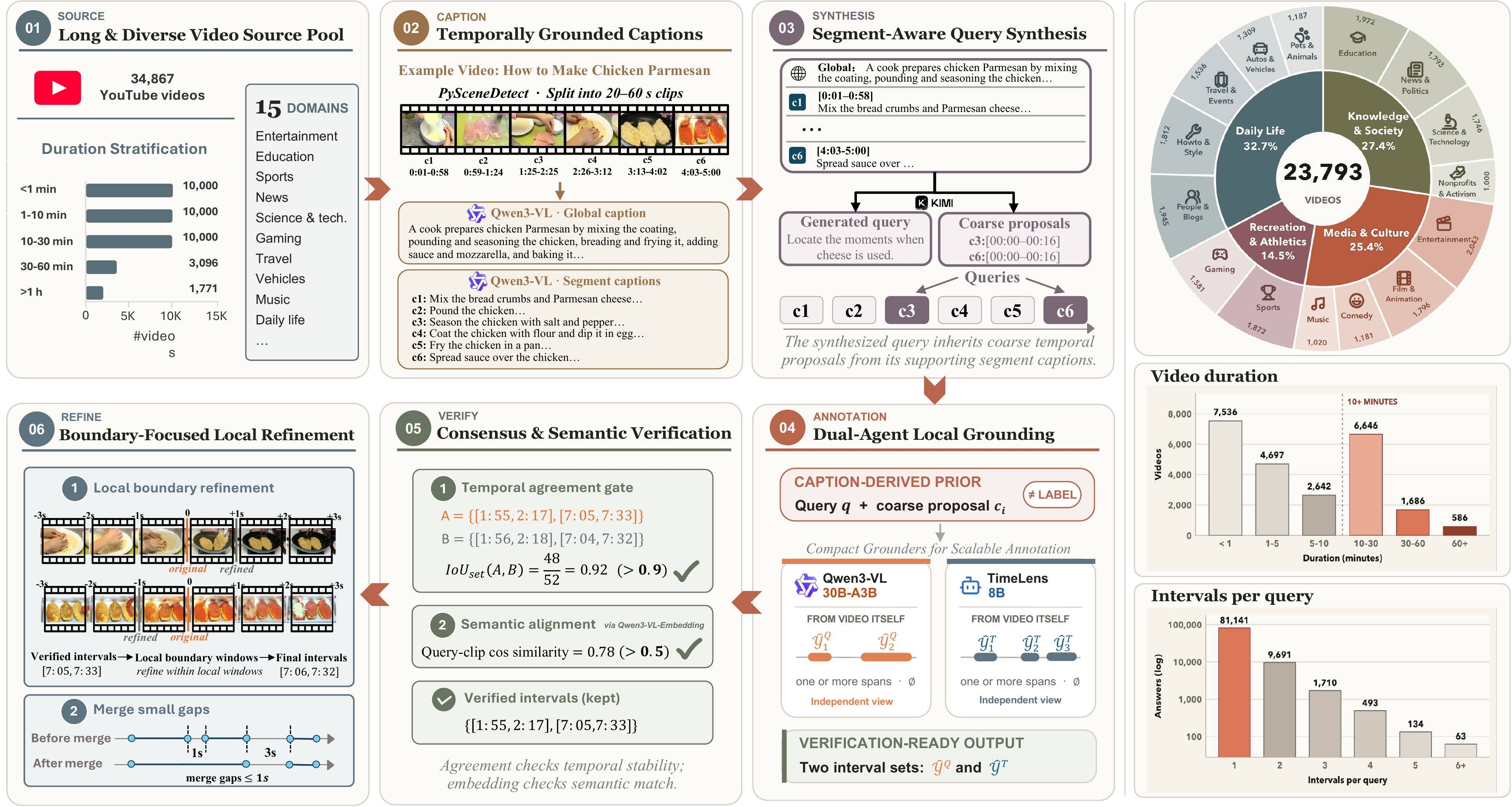
TimeLens2 models have been developed that are capable of working with long videos, recognizing repetitive events, and understanding both third-person and egocentric (POV) recordings. To train the models, the GRPO method was used in combination with a Temporal Wasserstein reward function, which significantly improved the accuracy of event boundary detection.
Context
The problem of precise temporal boundary determination (temporal grounding) is critical for Vision Language Models (VLM). Moving from simple video content description to searching for specific intervals requires specialized architectures and new optimization methods for spatio-temporal relationships.
Why It Matters for the Industry
The emergence of specialized and accessible models allows for the automation of video data labeling and improves navigation within massive archives. The use of reinforcement learning methods (GRPO) and new loss functions (Wasserstein) sets a new standard for optimizing VLMs for timeline-based tasks.
Why It Matters for Users
Users gain the ability to quickly find specific scenes in long videos using simple text queries (e.g., "the moment the car turns"). This opens up new possibilities for video editing, surveillance systems, and automated analysis of training data.
Sources
Author
Look at AI, Editorial Staff