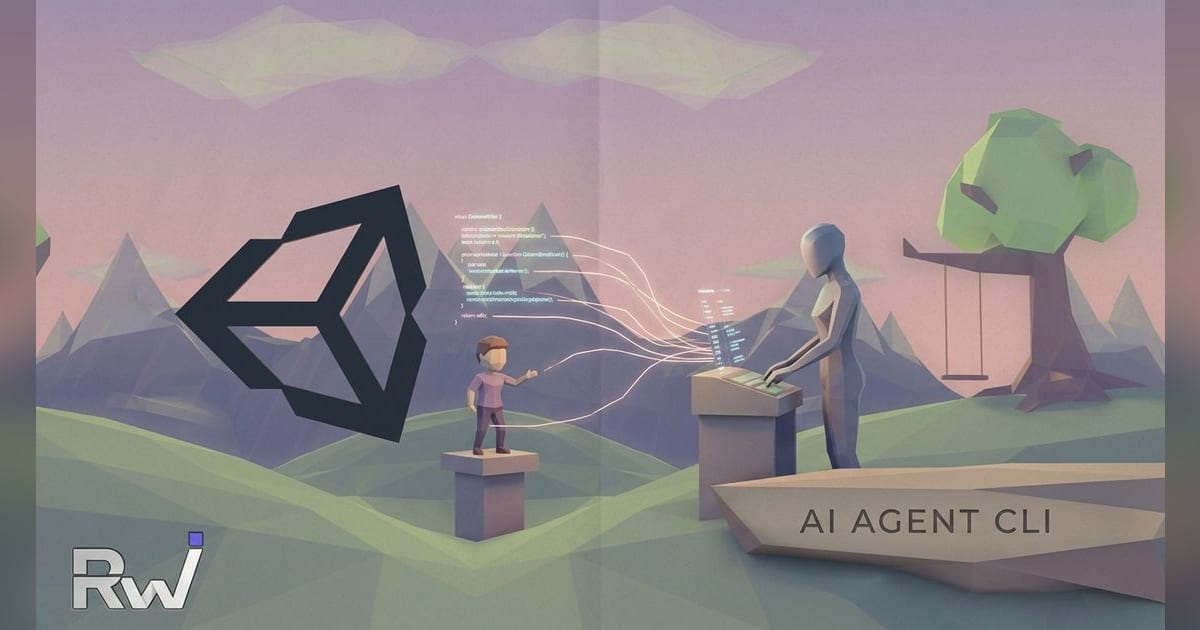
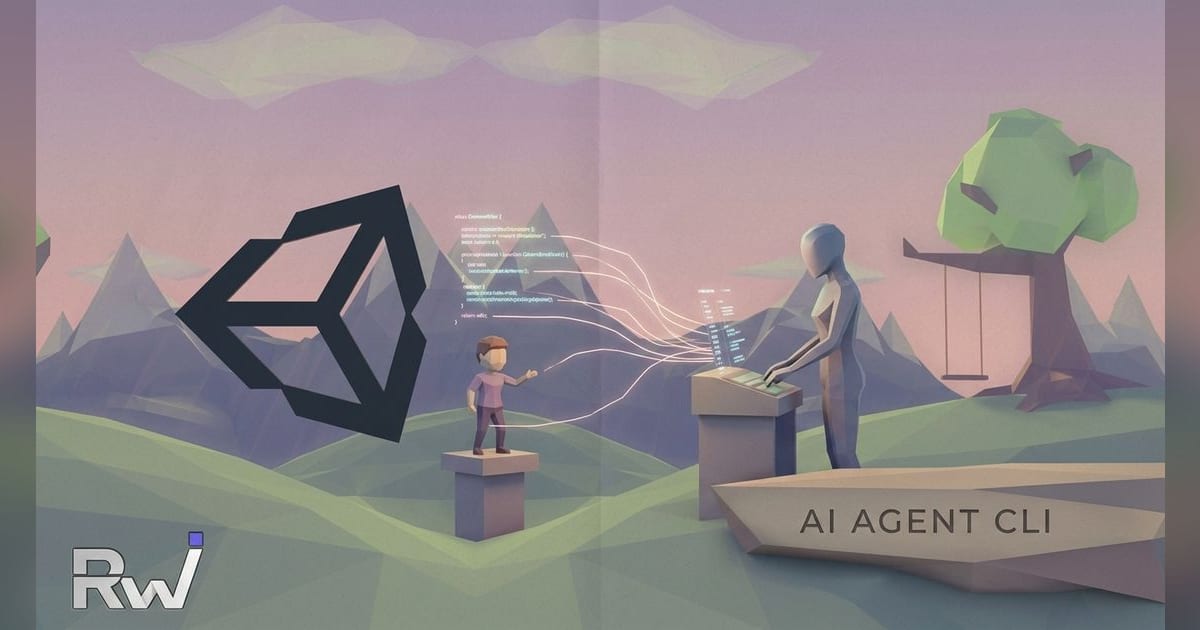
Unity has introduced the Unity Production Pipeline, transforming the game engine into a software service. The key innovation is a new Command Line Interface (CLI), released on July 20, which allows automated systems and AI agents to manage projects and modules without using Unity Hub.
What Happened
As part of the Unity Production Pipeline release, an experimental package com.unity.pipeline was introduced for Unity 6.0 LTS. This tool provides a CLI that allows AI agents to interact with a running editor: executing C# code via an eval mechanism, modifying scene components, and running tests in real-time using a local interface with JSON and TSV support.
Context
This technical update is aimed at transforming the engine from a client-side application into a headless service. This is accompanied by a shift in the company's business model: Unity is moving from traditional per-seat licensing to a subscription-and-consumption model, making the development process more scalable for cloud solutions.
Why It Matters for the Industry
For the industry, this signifies a shift toward deep automation in game development. The change in monetization to a consumption-based model stimulates the adoption of agentic workflows, where AI agents become full participants in the production cycle without requiring the installation of a heavy graphical interface.
Why It Matters for Users
Developers and AI enthusiasts gain tools to create autonomous game designers and QA agents. This allows for the programming of automated systems for scene management, mechanics testing, and direct code edits while the engine is running via external scripts.
What Is Not Yet Known / Limitations
There are critical questions regarding security, access management, and legal risks related to protecting intellectual property (IP) when using autonomous agents, which require further analysis from system architects and legal experts.
Sources
Author
Look at AI, Editorial Team