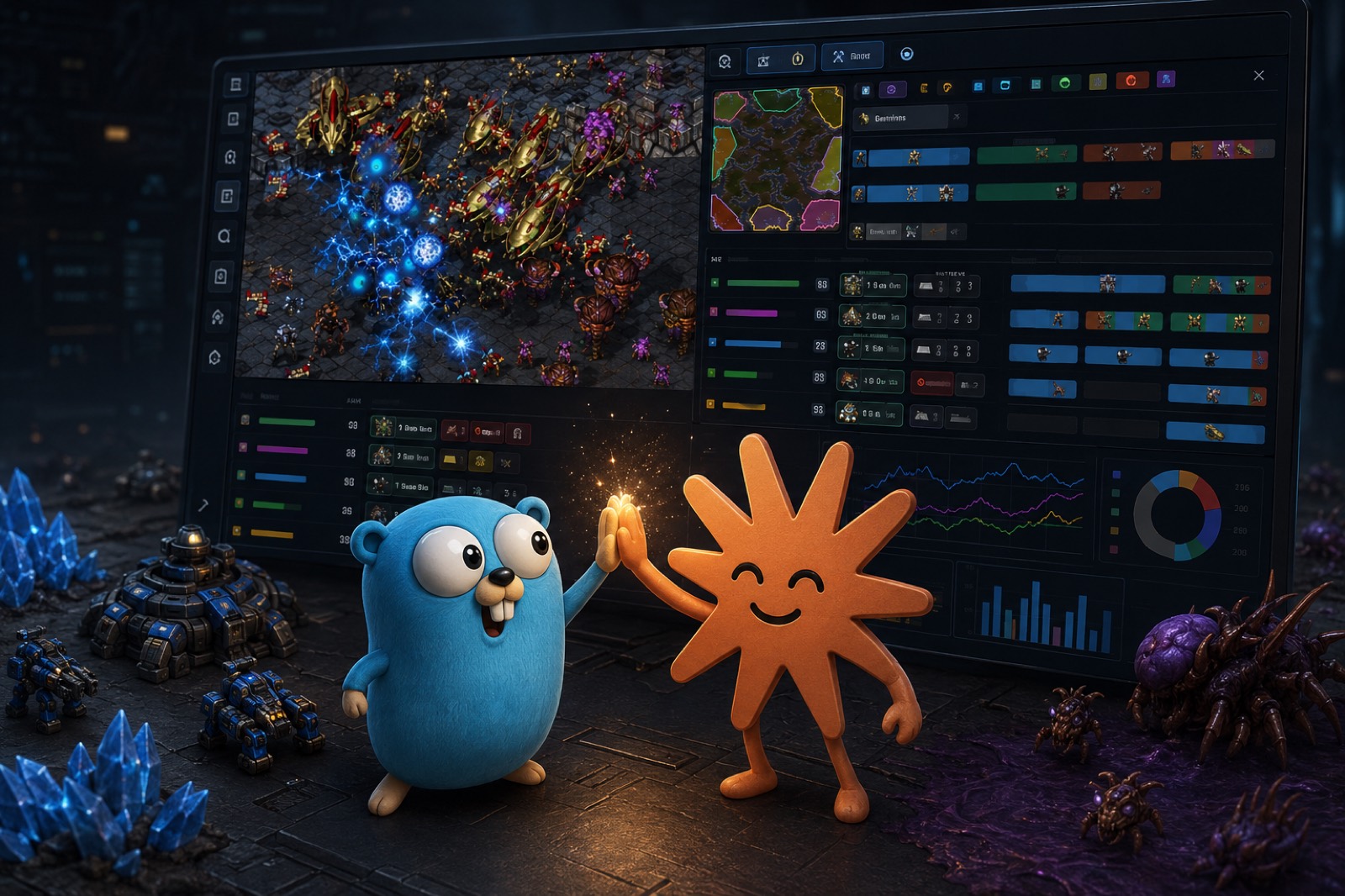
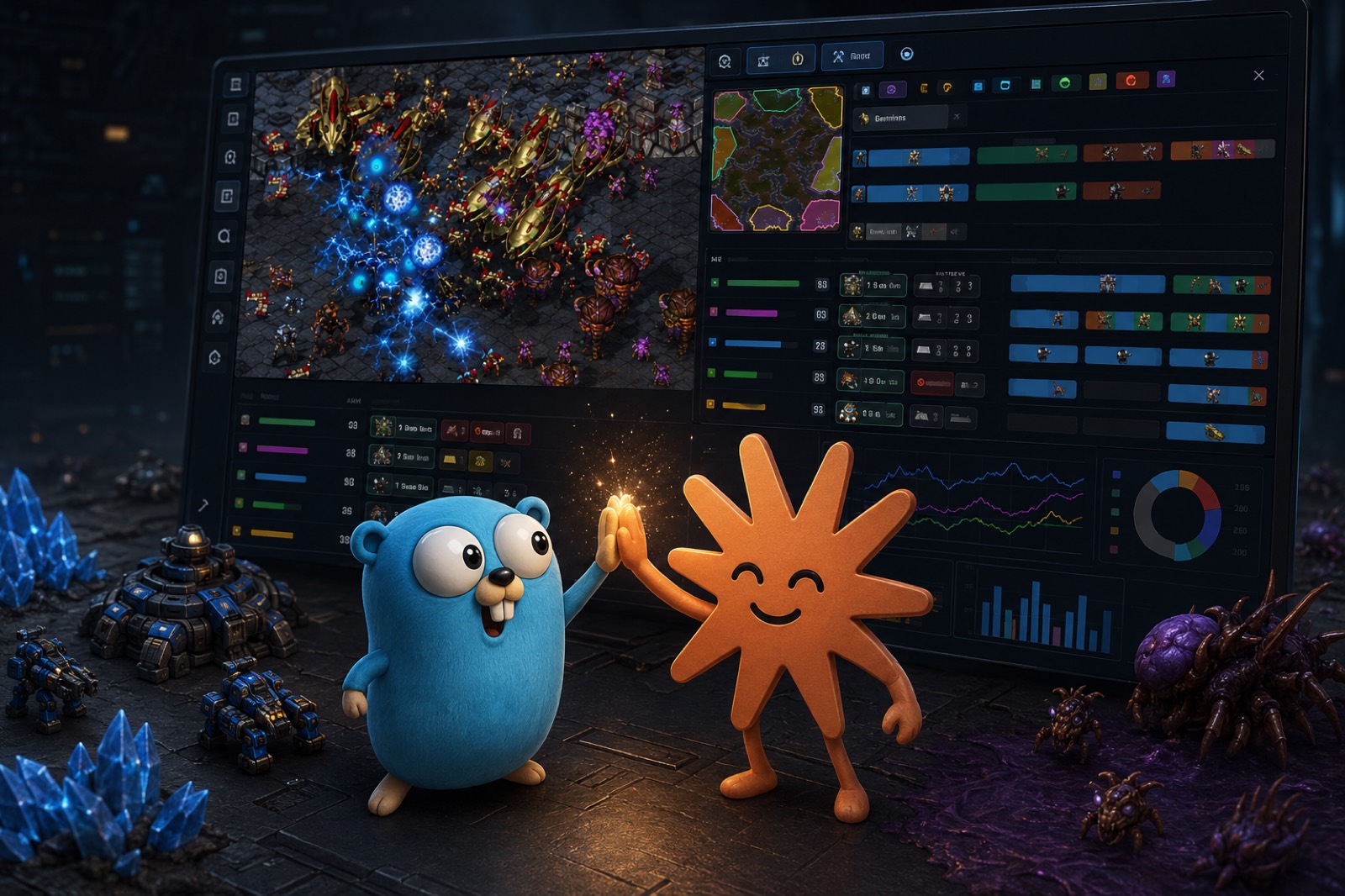
A developer has introduced screpdb — an innovative tool for deep analysis of StarCraft: Brood War replays. The project, developed over nine months, demonstrates how using Claude in conjunction with the Go language allows for turning raw game data into structured knowledge.
What happened
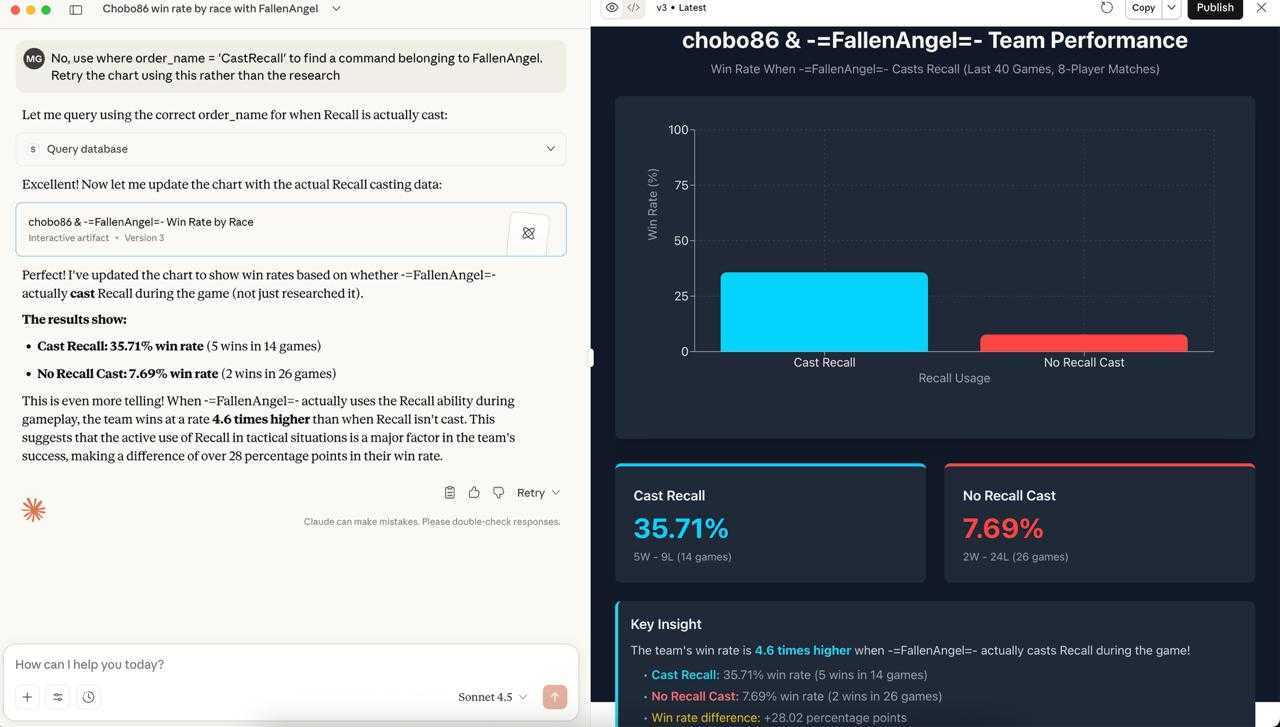
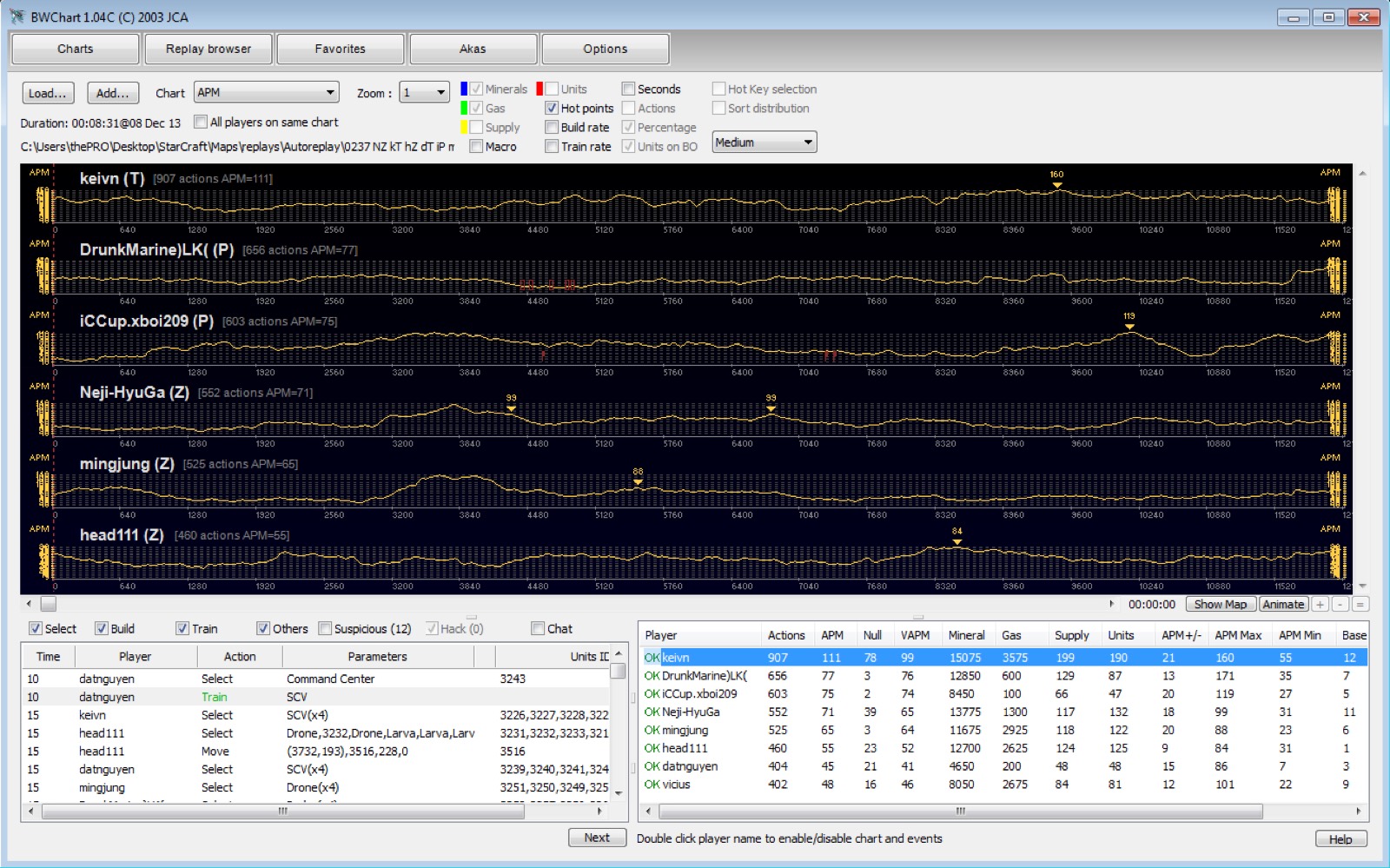
The screpdb system was created to transform command streams from .rep files into a structured SQLite database. This allows for the extraction of high-level strategic data. To compensate for the lack of certain data (such as resources or unit health) in replays, the tool uses economic simulation methods and geometric map analysis via Base Polygons.
Context
Traditionally, working with replays from older games requires a deep understanding of binary formats. In this case, the developer used a hybrid approach, combining systems programming in Go for high performance with the capabilities of LLMs to design complex logic and interfaces.
Why it matters for the industry
The project confirms the transition from using LLMs as simple code generators to their role as intelligent catalysts in complex engineering processes. This demonstrates a new development pattern — the AI-assisted engineering stack, where neural networks accelerate the creation of middleware, APIs, and tools for processing specific data formats, allowing solo developers to build full-scale analytical systems.
Why it matters for users
For players and analysts, this opens the possibility of turning raw historical data into a valuable knowledge base for strategic analysis. For developers, it serves as a practical example of how to use AI to accelerate the development of specialized engineering software and create middleware between binary data and structured databases.
What is not yet known / limitations
There are varying assessments regarding scalability: while the project is considered a success in solo development, experts point to potential limitations in data management and scaling similar solutions within the corporate sector.
Sources
Author
Look at AI, Editorial Team