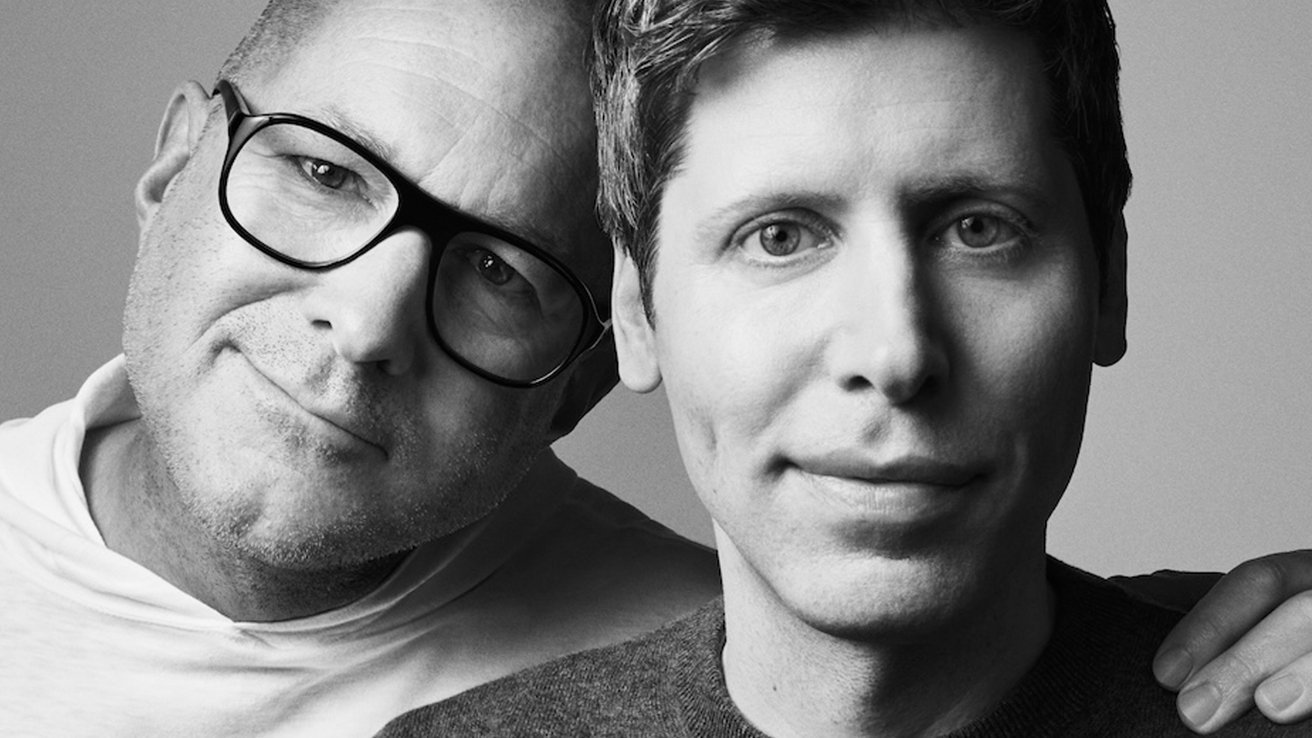
Apple has decided not to name legendary designer Jony Ive as a defendant in its lawsuit against OpenAI concerning the theft of intellectual property. Lawyers are primarily focusing on former Apple Vice President Tang Tan, who currently serves as the Chief Hardware Officer at OpenAI.

What Happened
Apple filed a lawsuit against OpenAI, accusing the company of stealing prototypes and technologies. At the center of the dispute is Tang Tan, a former Apple Vice President who moved to OpenAI as Chief Hardware Officer. Despite Jony Ive's significance, Apple decided not to include him as a defendant because he was not involved in the operational hiring processes, and the company seeks to avoid reputational conflicts given his historical connection to Steve Jobs' legacy.
Context
The legal dispute demonstrates a shift in the focus of corporate conflicts within the AI industry. While battles between giants previously took place primarily in the software domain, they are now moving into the hardware sphere, where protecting intellectual property at the level of physical developments and prototypes is becoming critically important.
Why It Matters for the Industry
For the industry, this is a signal of increasing legal pressure on companies that practice aggressive poaching of key engineers. This could lead to changes in hiring policies within Big Tech and increased rigor in security protocols when working with R&D developments to minimize the risk of trade secret theft allegations.
Why It Matters for Users
For the general audience, it is important to understand that the confrontation between Apple and OpenAI extends beyond algorithms and chatbots. The conflict surrounding hardware technologies means that the future of AI devices and their physical embodiment will be determined not only by software quality but also by a fierce struggle for the rights to engineering solutions.
Sources
Author
Look at AI, Editorial Staff