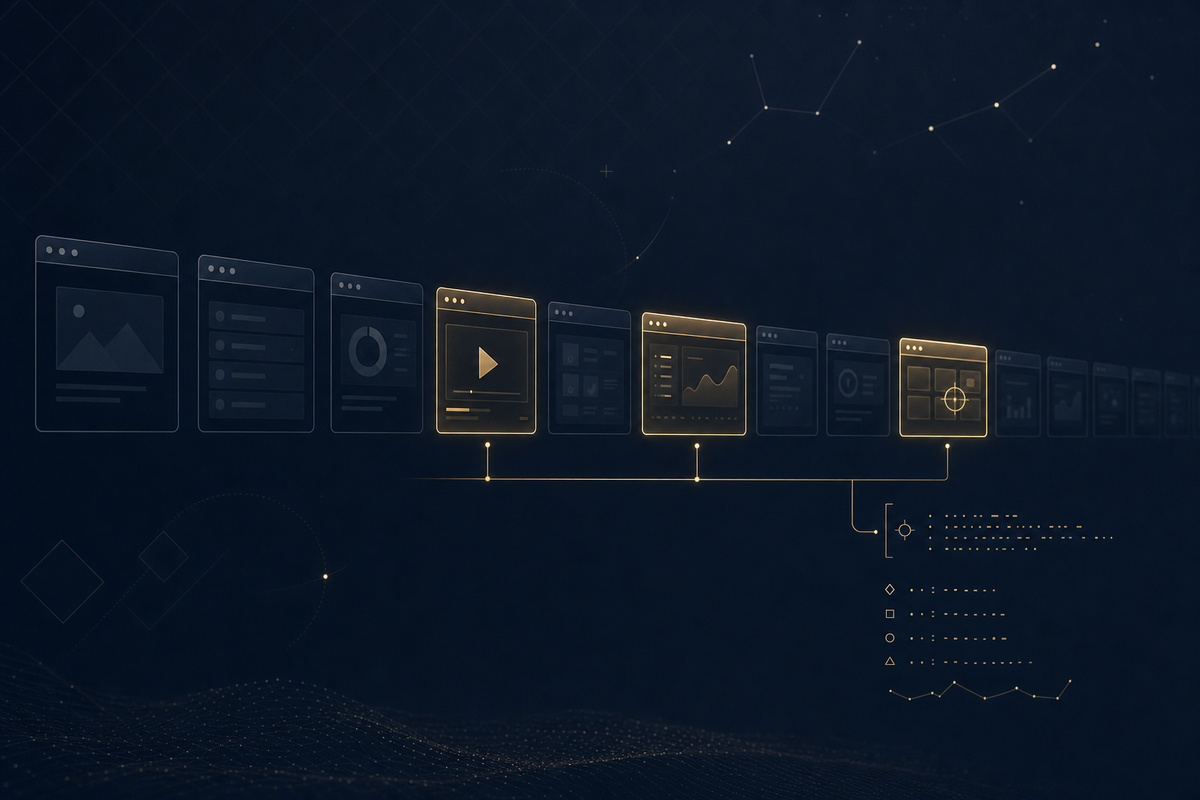
The CBrowser platform has introduced version 18.72, which allows recording web pages in GIF, WebP, or WebM formats while simultaneously generating a machine-readable event manifest to simplify the work of AI agents.
What Happened
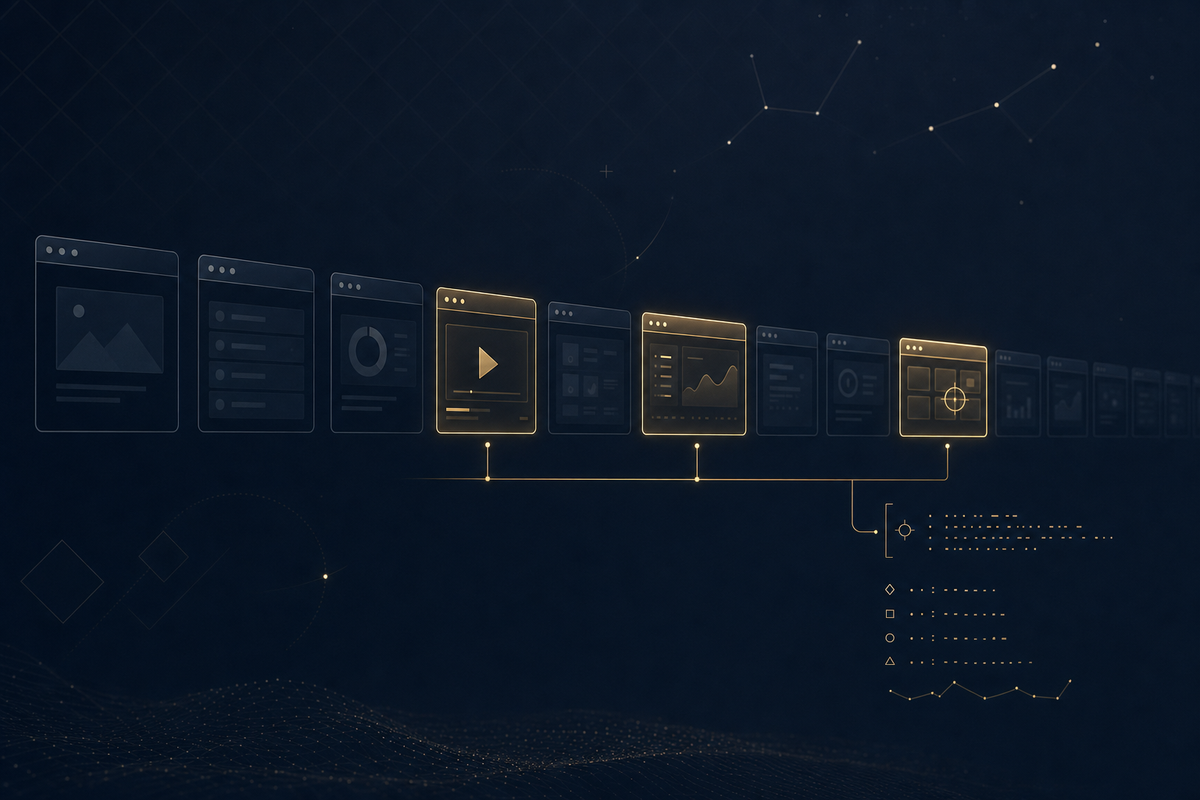
In the new 18.72 version, CBrowser added a web page recording capability accompanied by a special frame manifest. This file contains timestamps, interface state change points, as well as console and network events for each specific frame, turning a video recording into a structured dataset.
Context
Traditionally, AI agents have had to either analyze static screenshots or perform heavy and resource-intensive Video-to-Text analysis to understand website dynamics. The current transition from a simple video stream to an event-based manifest allows interface interaction context to be transmitted in a more compact and model-friendly format.
Why It Matters for the Industry
For the industry, this represents a qualitative leap in test automation and monitoring. Instead of visual analysis, the AI receives a structured data stream of the system state over time. This enables the creation of high-quality action-observation datasets for training agents and reduces the computational load on multimodal models, optimizing token costs.
Why It Matters for Users
AI agent developers gain a tool for efficient debugging: it is now possible to precisely correlate visual changes on a page with network responses or console logs. This allows for the instant identification of error causes in agent operations, rather than guessing at which moment the UI interaction logic failed.
Sources
Author
Look at AI, Editorial Team