A study by Coroot shows that the main obstacle to implementing AI Root Cause Analysis (RCA) is not a lack of logical capabilities in models, but low-quality data infrastructure and difficulties in context transmission.
What Happened
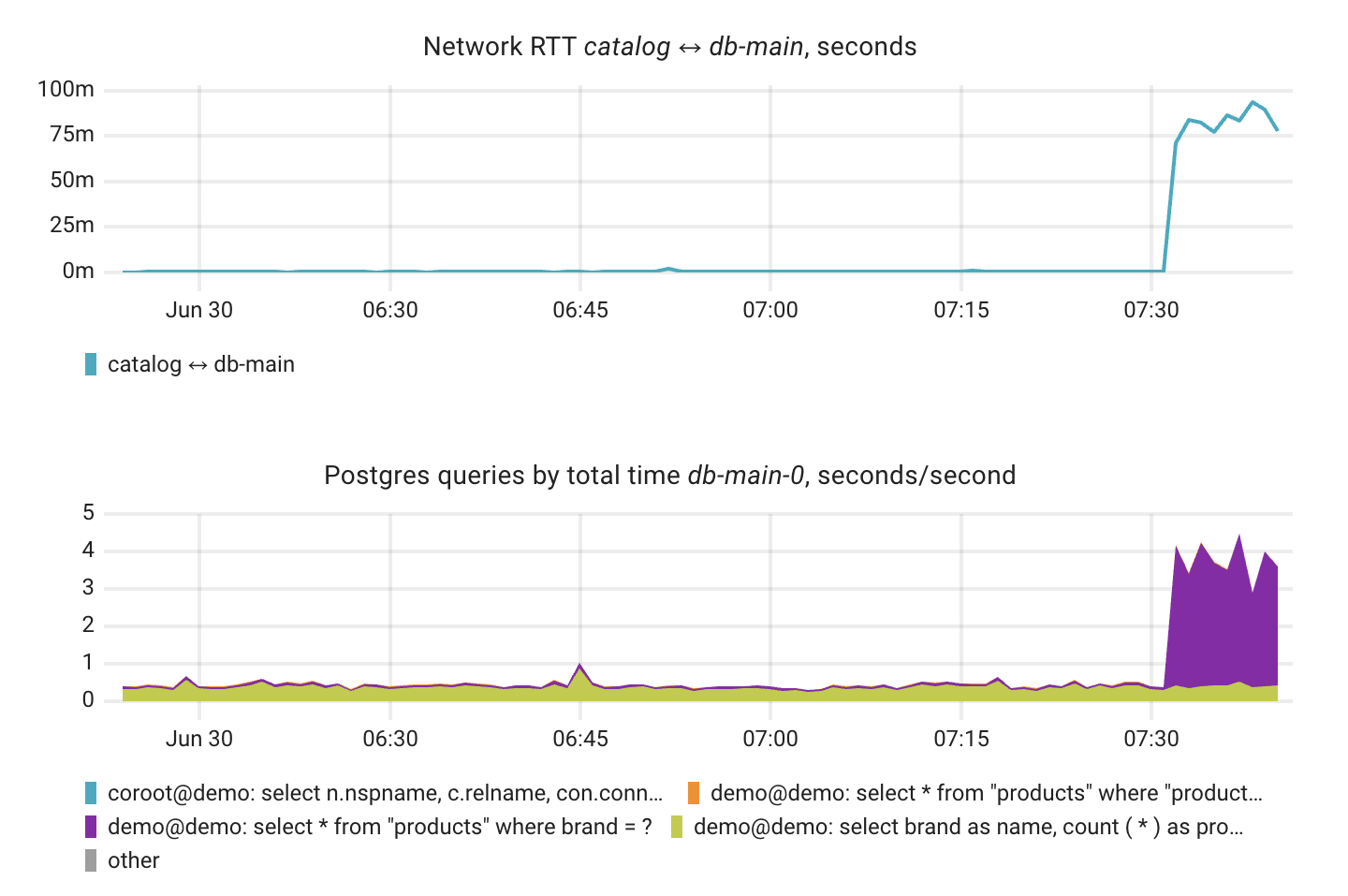
In an experiment involving 11 models (including frontier models and compact solutions like Gemma 4 31B), the system's ability to distinguish a real cause of failure from its symptoms, such as database latency, was tested. It was established that modern models successfully handle the logical task of separating cause and effect; however, errors often occur during response formatting stages and the transmission of structured context.
Context
The traditional approach to improving AI in DevOps often focuses on using more powerful LLMs. However, current results indicate that the critical factor is the presence of a high-quality 'data harness'—an infrastructure that provides models with cleaned and structured data, minimizing noise.
Why It Matters for the Industry
The industry is seeing a shift in focus from the race for model power to the design of efficient data pipelines and context preparation tools. This creates new opportunities for developing specialized solutions in the fields of observability and middleware designed to prepare 'AI-ready' telemetry.
Why It Matters for Users
Developers of AI agents for DevOps are advised to invest in improving tool-calling capabilities and input data cleaning rather than switching to the most expensive models. Using more compact and economical solutions, such as Gemma 4 31B, can be equally effective, provided that high-quality input context is ensured.
Sources
Author
Look at AI, Editorial Team