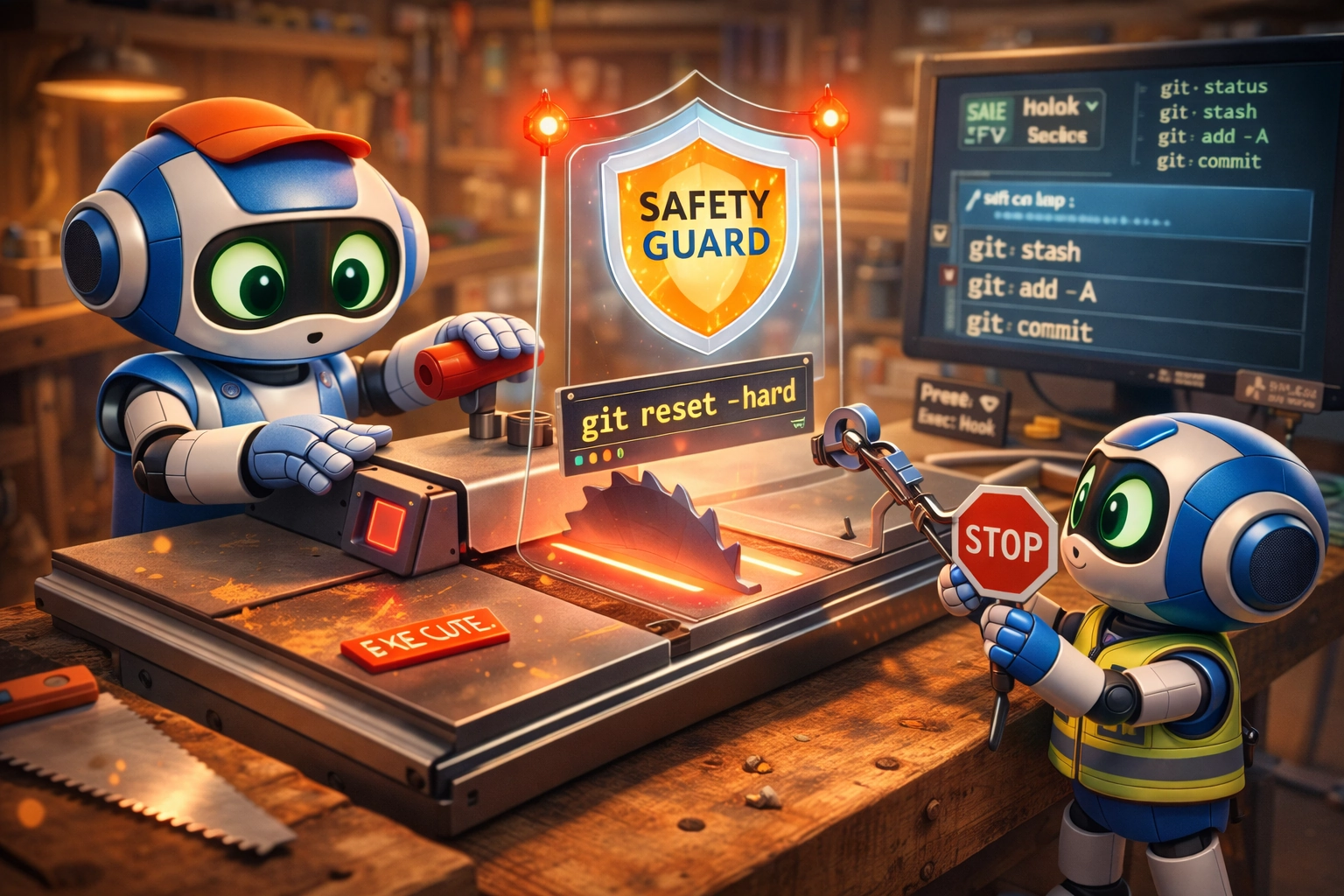
The dcg (Destructive Command Guard) utility has been released, designed to protect systems from the erroneous actions of AI agents. The tool works as a high-performance hook, intercepting and blocking dangerous commands before they are executed.

What Happened
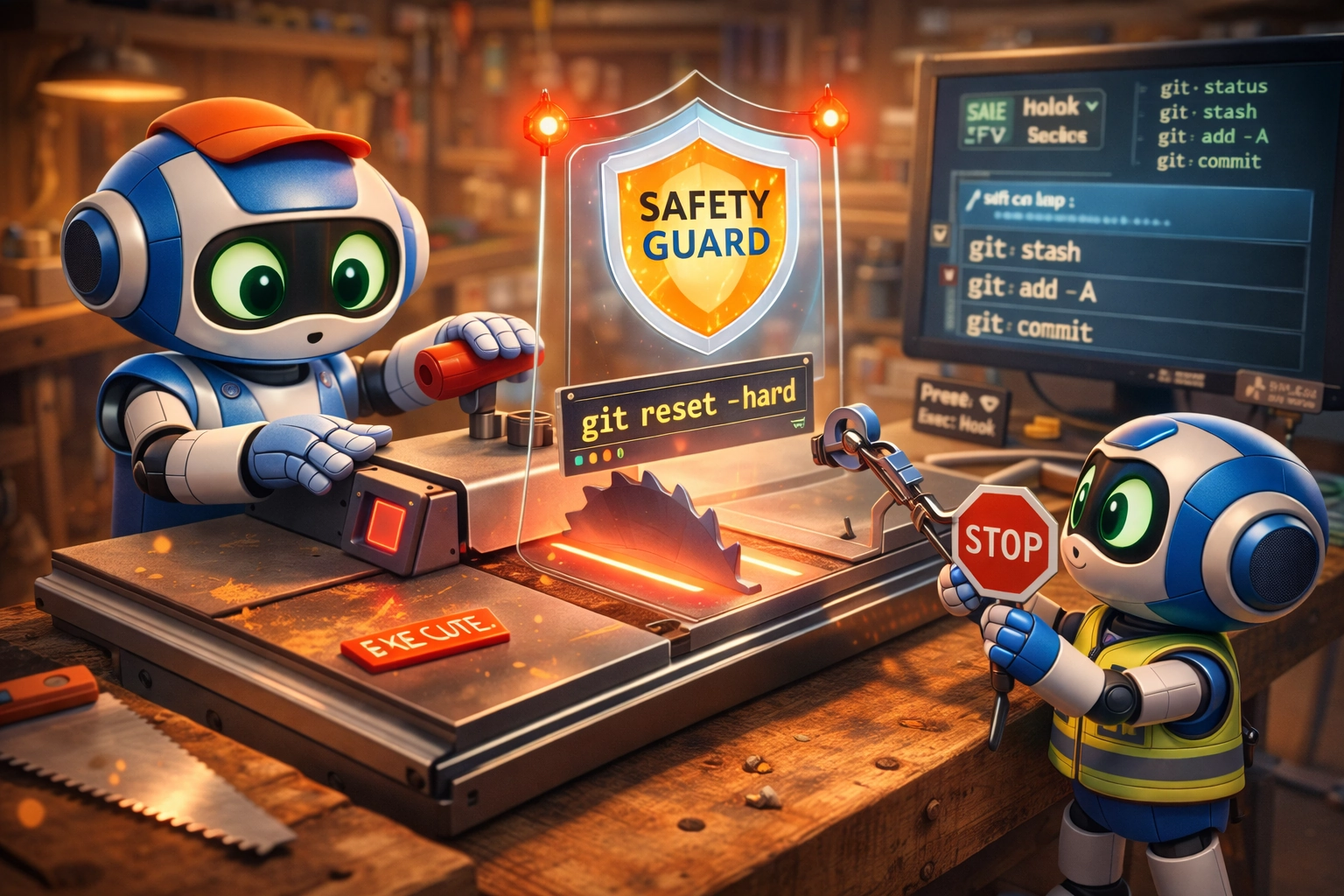
The dcg (Destructive Command Guard) utility has been developed to serve as a protective layer to minimize risks when working with autonomous AI agents. The tool intercepts and blocks destructive commands such as rm -rf, git reset --hard, or DROP TABLE. dcg supports over 50 configuration sets covering git, file systems, databases (PostgreSQL, MongoDB), containers (Docker, Kubernetes), and cloud providers.
Context
Security issues arise due to so-called "action hallucinations," where a model generates a syntactically correct but logically catastrophic command. The emergence of specialized tools like dcg signals the formation of a critical AI Safety & Guardrails layer, which turns accidental errors into controlled incidents.
Why It Matters for the Industry
For the industry, this solves the security problem associated with the autonomous use of AI coding agents, preventing accidental data or infrastructure loss. The tool opens a niche for creating guardrails in the middle-layer between LLM agents and the system environment, which could become a de facto standard in agentic system architecture.
Why It Matters for Users
Developers can safely use tools such as Claude Code, Cursor, or GitHub Copilot CLI without fear that an agent might accidentally delete important files or reset a repository state. This lowers the psychological barrier and fear of using CLI agents for everyday tasks.
What Is Not Yet Known / Limitations
The tool protects against direct destructive commands but cannot prevent malicious actions if they are hidden within the logic of a script that the agent runs. Additionally, experts note that dcg is not a full-fledged solution for comprehensive corporate governance.
Sources
Author
Look at AI, Editorial Team