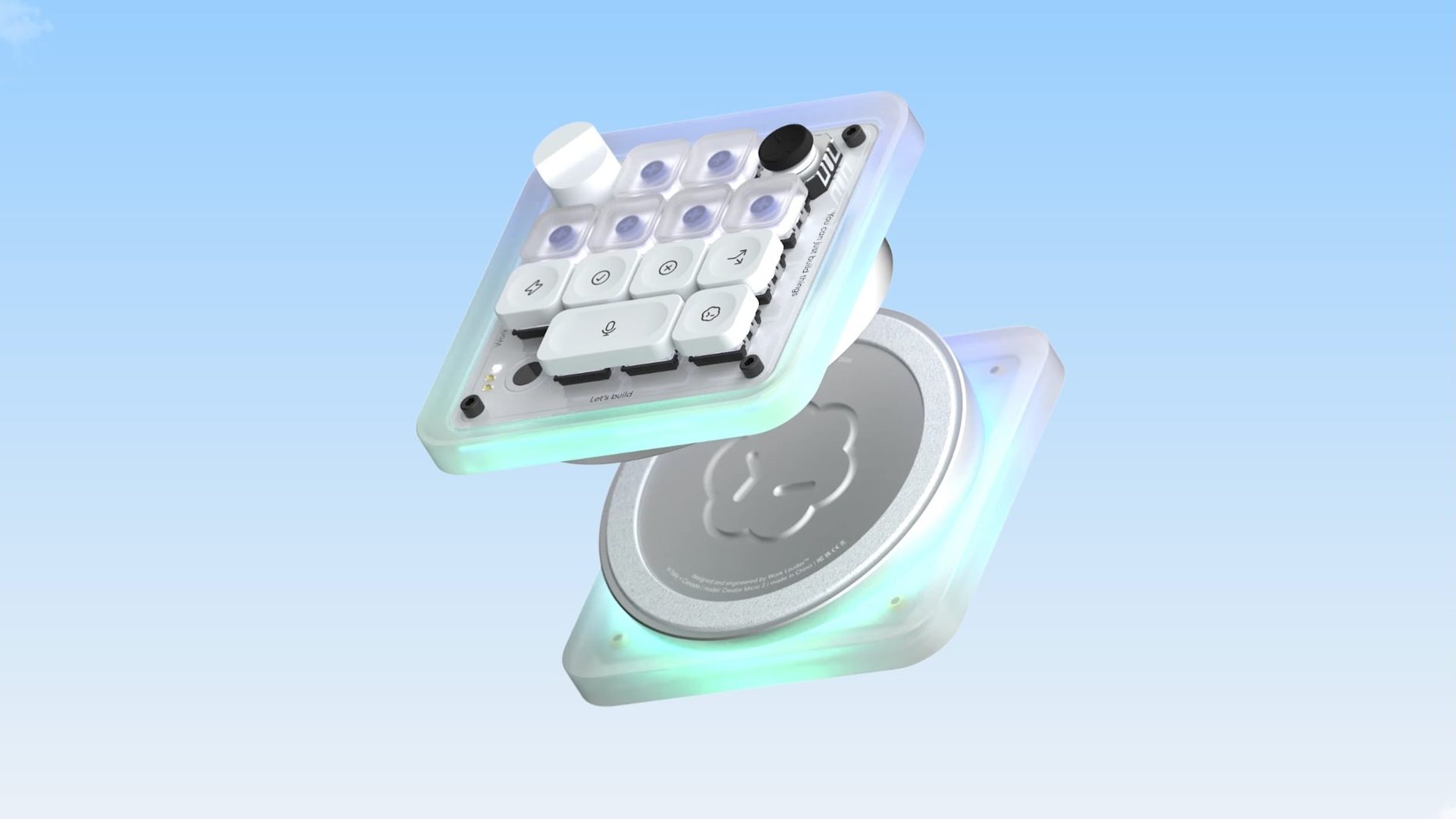
OpenAI, together with custom keyboard manufacturer Work Louder, has introduced the Codex Micro — a specialized device designed to optimize interaction with the Codex AI agent. This $230 macro pad aims to accelerate development processes by providing users with physical control over model parameters and agent management commands.


What Happened
The Codex Micro device has been released, featuring a macro pad with 12 mechanical keys, a joystick for selecting agent skills, and a rotary encoder for adjusting the model's reasoning effort. The device supports USB-C and Bluetooth connectivity, and comes with 32 custom keycaps.
Context
The product is aimed at the concept of "vibecoding" — high-level development through AI instructions. Instead of using text prompts for every operation, developers can use physical buttons for frequently repeated actions, such as accepting code changes, running tests, or voice input.
Why It Matters for the Industry
This move demonstrates OpenAI's transition from purely software solutions to creating a specialized hardware input layer. By creating a physical interaction layer, the company seeks to build ecosystem lock-in and establish a habit of using its specific tools, which could serve as a barrier to developers switching to alternative solutions like Claude Code.
Why It Matters for Users
For developers and enthusiasts, the Codex Micro serves as a specialized controller that allows for real-time management of inference parameters and workflows. This simplifies human-in-the-loop processes, translating the management of complex AI reasoning chains into intuitive physical controls.
What Is Not Yet Known / Limitations
There is a difference in how the target audience is perceived: while developers see this as a new UX pattern, enterprise architecture experts may classify the device as a consumer gadget unsuitable for standardized corporate environments.
Sources
Author
Look at AI, Editorial Team