
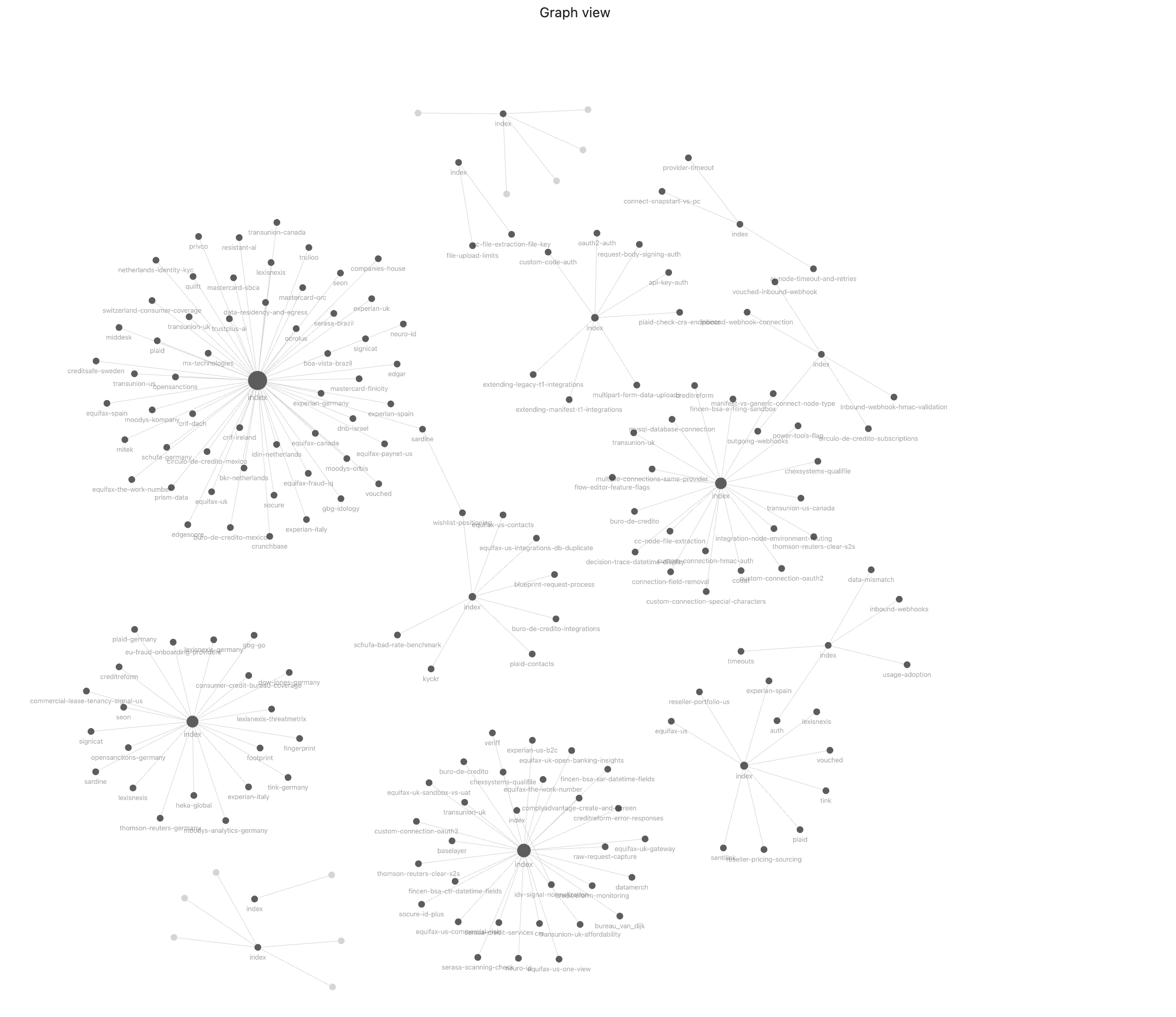
A team of engineers at Taktile has developed an innovative system called LLM Wiki, which provides AI agents with long-term memory based on dynamic data from Notion, Slack, and Google Drive. Instead of the standard RAG approach, which requires constant processing of raw documents, this new system distills knowledge into a structured Markdown repository with Git-based versioning support.

What Happened
Taktile's developed architecture shifts from searching raw data to reading an optimized knowledge base. To maintain data relevance, a re-validation mechanism is used, where the agent verifies facts from the wiki against the original source at the moment of the query. Plans also include implementing content fingerprinting technology for more precise tracking of changes in sources.
Context
Traditional RAG (Retrieval-Augmented Generation) systems often face high token costs and latency due to the need to re-process large volumes of unstructured information every time. Dynamic corporate sources, such as Slack or Notion, are constantly changing, making the maintenance of an up-to-date vector index a resource-intensive process.
Why It Matters for the Industry
For the industry, this approach signifies a shift toward more efficient token management and reduced latency. Using pre-calculated knowledge allows for an 86% speedup and a 61% reduction in operational costs. This sets a new 'Agentic Memory as Code' pattern, where an agent's memory becomes a manageable and versioned software artifact.
Why It Matters for Users
Users will gain access to more autonomous and reliable agents that do not just search for information but possess organized and verifiable memory. This enables the creation of AI assistants capable of working effectively with corporate content without exorbitant infrastructure costs and with minimal risk of hallucinations caused by outdated data.
What Is Not Yet Known / Limitations
There are legal risks associated with access control to sensitive data and determining ownership of knowledge distilled by an agent from corporate sources.
Sources
Author
Look at AI, Editorial Staff