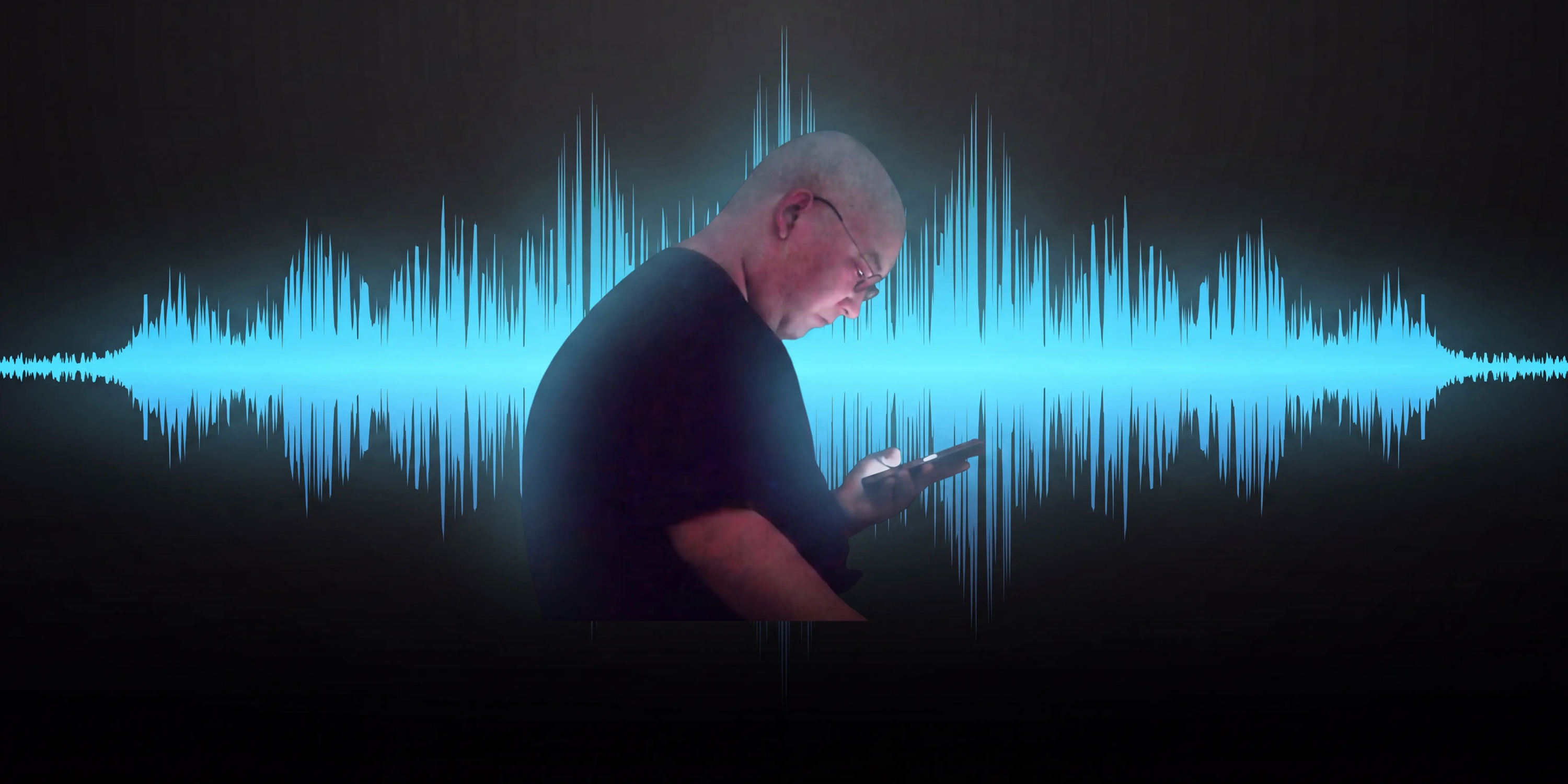
Professional Chinese voice actor Shen Anyu has faced a crisis due to the mass unauthorized use of AI clones of his voice. The situation has escalated as automated moderation systems have begun mistakenly flagging his authentic recordings as synthetic, forcing artists to undergo humiliating "humanity" checks—such as reading tongue twisters—to avoid shadowbans.
What Happened
Chinese voice actor Shen Anyu became a victim of mass voice copying using AI. Instead of receiving legal protection, he faced a backlash from platforms: AI detection algorithms cannot distinguish high-quality human voiceovers from synthetic ones, leading to the erroneous labeling of real content as generated. To restore his reputation and platform access, professionals are forced to use "proof of life" methods, demonstrating live intonation and complex speech patterns.
Context
China's audio content market is massive, covering more than 740 million users. With the development of voice cloning technology, the cost of audiobook narration has dropped by half as companies mass-migrate to cheap generation for creating ultra-short dramas. Meanwhile, legal systems are failing to respond to micro-infringements of copyright, as litigation costs significantly exceed the damages from unauthorized voice use.
Why It Matters for the Industry
The industry is facing a "mastery paradox": the higher the quality and clarity of a professional's voice, the more valuable it becomes as training material for AI models, which ultimately accelerates the process of their replacement. There is also a critical need for new authenticity verification standards (watermarking/provenance) and biometric data protection tools at the metadata level to separate human labor from synthetic output.
Why It Matters for Users
For content creators, this means a risk of an "identity crisis" in the digital environment, where even the author of original material is forced to fight algorithms for the right to be considered human. For the general audience, this signals a radical devaluation of professional voiceovers and the necessity of learning how to distinguish an authentic voice from a high-precision digital clone.
What Is Not Yet Known / Limitations
There are differing assessments of the situation: technical specialists focus on the failures of verification systems and operational risks, while the business community seeks opportunities in new niches for "Proof of Human" tools.
Sources
Author
Look at AI, Editorial Staff