The open-source project DeployKit has been released, designed to automate the AI solution deployment process and combat the technical debt generated by Field Deployment Engineers (FDEs).
What Happened
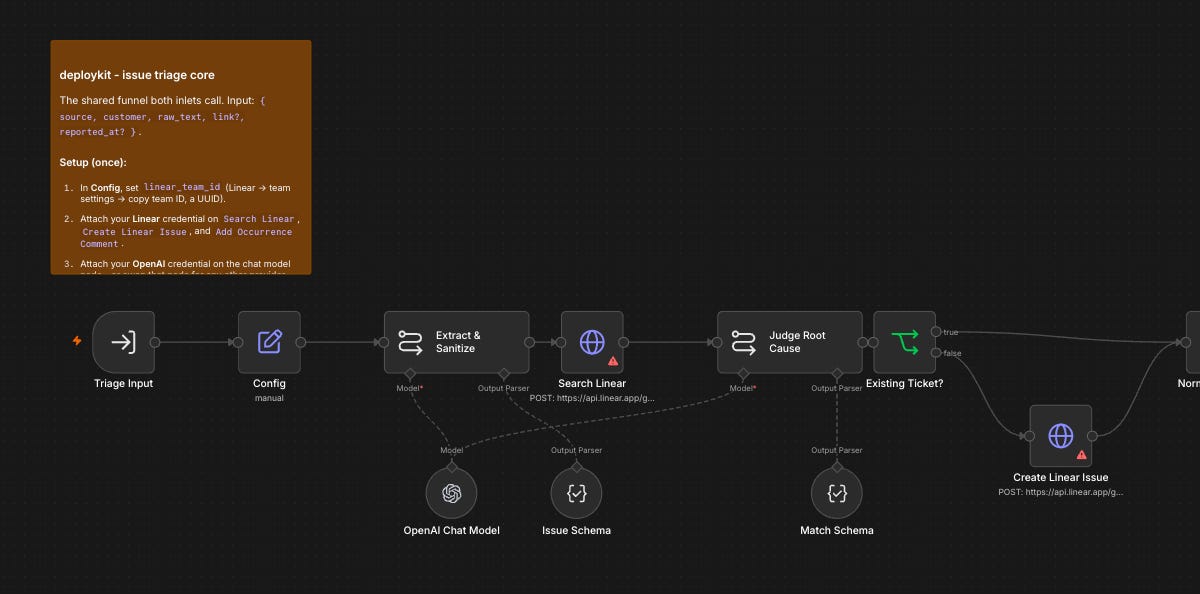
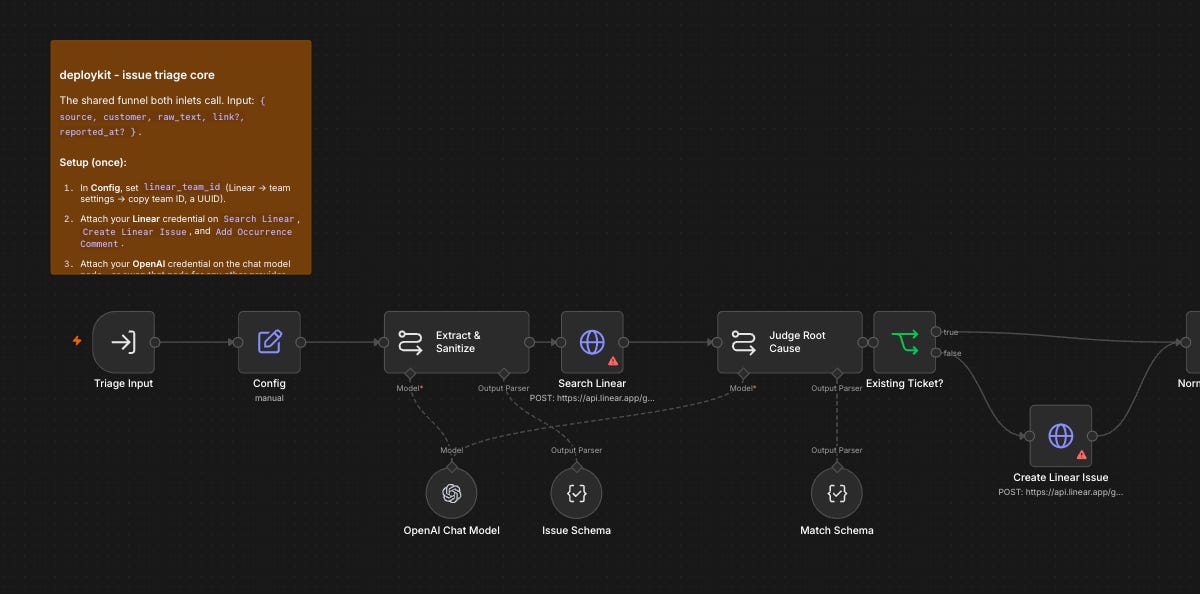
The team released DeployKit—a toolkit that uses AI agents, such as Claude Code and Cursor, to automatically document patches in a specialized DEPLOY.md file. Additionally, the system includes a triage mechanism based on n8n and LLMs, which allows for grouping repetitive issues coming from Slack and Linear, turning scattered fixes into structured data.
Context
When deploying AI systems in large companies, engineers are often forced to create numerous custom scripts and patches for specific clients. This creates "deployment technical debt," where valuable field experience is not systematized but instead lost in a chaos of fragmented solutions.
Why It Matters for the Industry
The tool allows the deployment process to transition from a category of manual hack-writing to a category of structured engineering activity. This helps companies transform scattered engineer knowledge into data suitable for platform development teams, accelerating the product creation cycle and simplifying the scaling of AI solutions.
Why It Matters for Users
For Field Deployment Engineers (FDEs), DeployKit reduces the operational load and cognitive complexity involved in supporting multiple client instances. It helps avoid the chaos of hundreds of unique scripts and simplifies onboarding for new employees through the automated collection and documentation of system operational knowledge.
What Is Not Yet Known / Limitations
There are risks regarding intellectual property (IP) and data privacy (PII/PHI) that may require additional attention when using such automation tools.
Sources
Author
Look at AI, Editorial Team