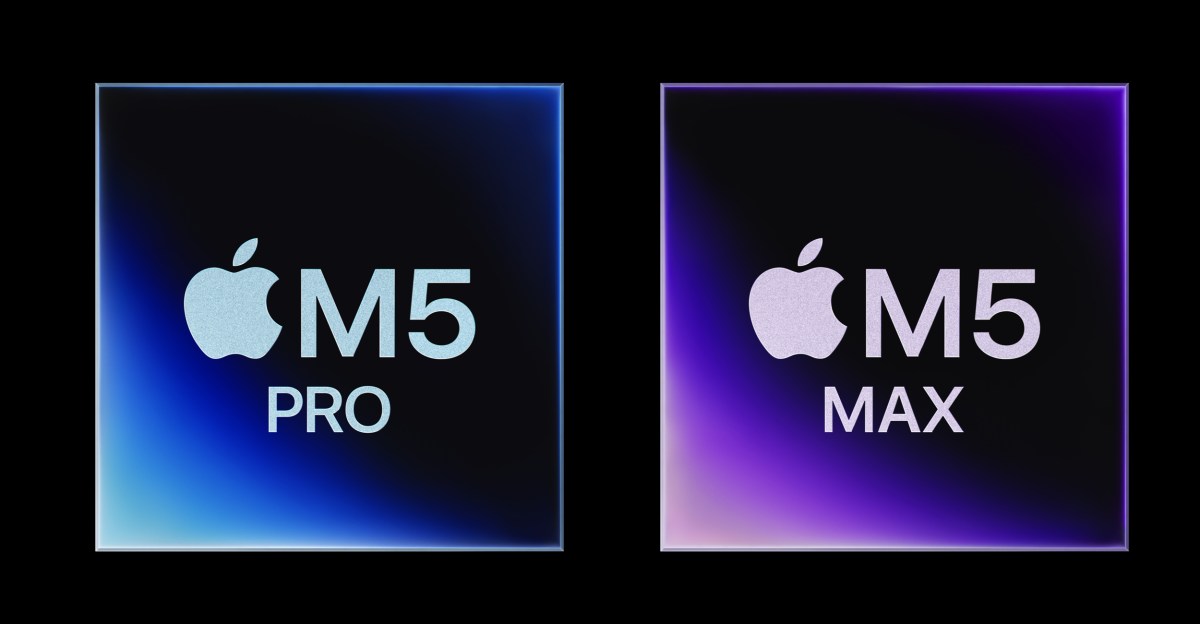
The closure of the ambitious Project Titan autonomous vehicle development project was not a failure for Apple. Instead, the company has successfully redirected intellectual capital and technological developments into the advancement of its own processors, turning autonomous driving experience into the foundation of the Neural Engine architecture.

What Happened
Apple has integrated autonomous driving research into its chip architecture, which is already reflected in the A-series and M-series processors. In the first half of 2027, the company plans to release M7 series chips optimized specifically for AI computing tasks. Additionally, the creation of the M7 Ultra is expected—a server solution supporting up to 1.5 TB of RAM.
Context
For many years, Project Titan developed technologies for autonomous transport, which are now being transformed into high-performance hardware. This transition marks a shift in the company's priorities: from focusing exclusively on consumer devices to creating powerful server AI infrastructure.
Why It Matters for the Industry
The shift in focus toward server solutions with massive memory capacity signals Apple's intention to compete in the High-Performance Computing (HPC) and cloud AI infrastructure segments, challenging specialized accelerators.
Why It Matters for Users
For everyday users, this means a qualitative boost in local AI capabilities. An improved Neural Engine will provide higher neural network processing speeds and enhanced privacy by performing complex computations directly on devices (Edge AI).
Sources
Author
Look at AI, Editorial Team