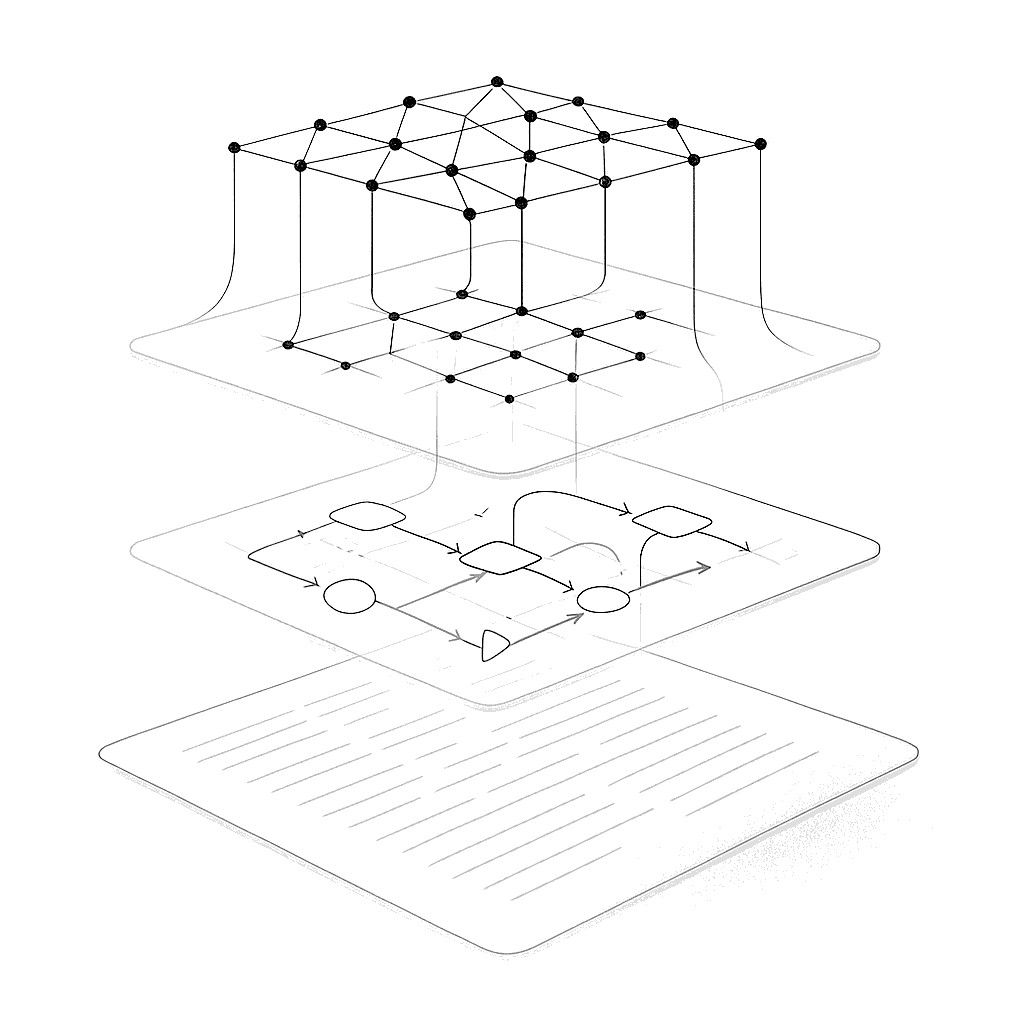
The open-source tool Overplane introduces an approach to the software development cycle that combines the capabilities of AI agents with the mathematical rigor of SMT solvers to automatically verify the logical integrity of specifications.
What Happened
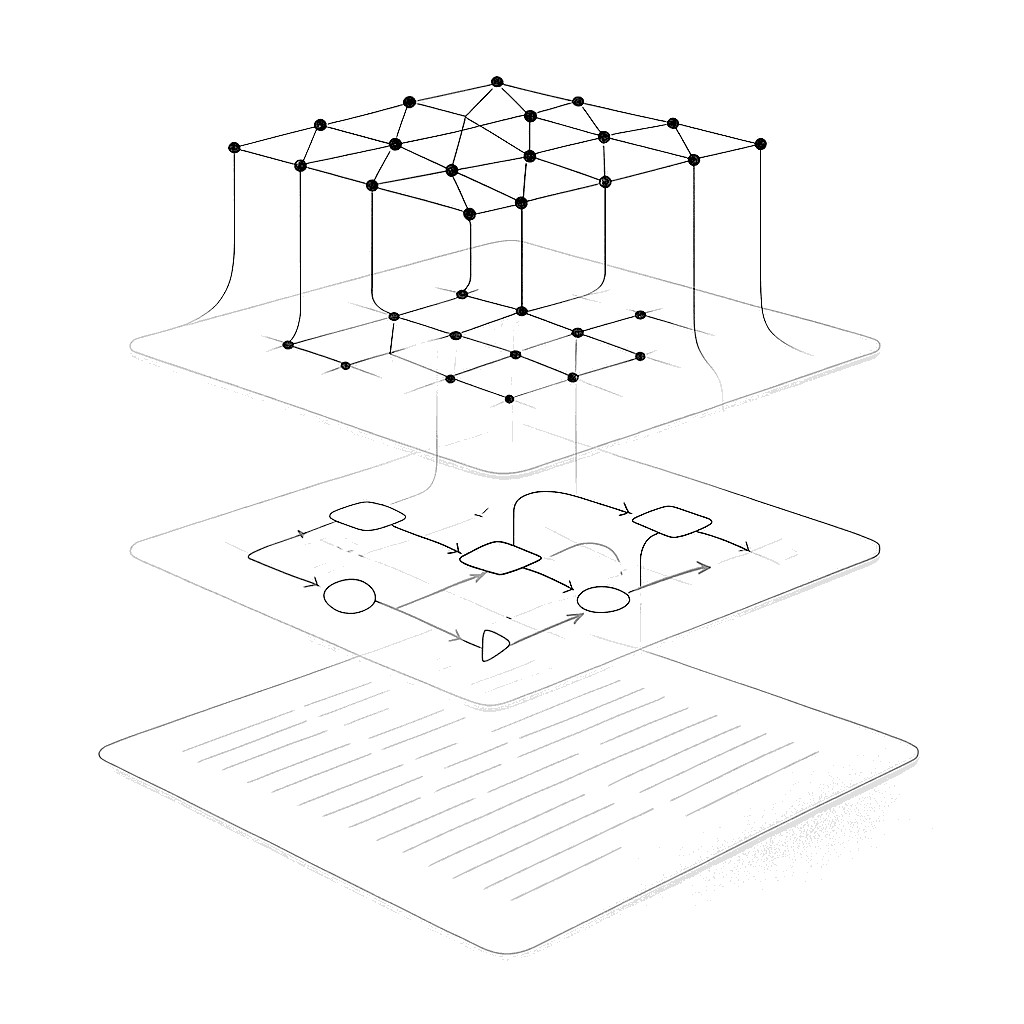
Overplane has been developed to automate the process of transforming Markdown specifications into software code. The system uses AI agents, such as Claude Code and Gemini CLI, running in isolated containers to generate code. A key feature is the use of SMT solvers (e.g., Z3) to generate SMT files and check specifications for internal contradictions before the coding process begins.
Context
Modern AI coding approaches often rely on the probabilistic nature of LLMs, which can lead to logical errors. Overplane proposes a shift from simple prompt-based code writing to a Specification-Driven Development model, where mathematical methods deterministically verify requirements, ensuring reproducibility and environment security through containerization.
Why It Matters for the Industry
Integrating formal verification directly into AI pipelines raises software reliability standards. This sets a precedent for combining probabilistic methods (LLMs) with deterministic mathematical methods (SMT) within a real engineering cycle, which is critical for building high-reliability systems.
Why It Matters for Users
Developers gain a tool for creating a rigorous engineering pipeline where errors in requirement logic are caught even before the compilation stage. This allows AI to be used not just as a "smart assistant," but as part of a controlled process, although it requires effort to prepare high-quality Markdown specifications.
What Is Not Yet Known / Limitations
There are practical barriers in the form of high process latency and the complexity of drafting correct, non-contradictory specifications.
Sources
Author
Look at AI, Editorial Team