
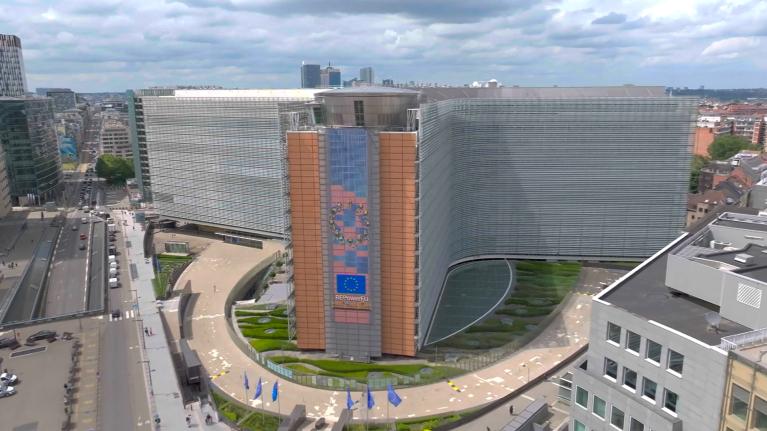
The European Commission has presented a comprehensive strategic plan aimed at integrating advanced artificial intelligence technologies into the cybersecurity sphere while simultaneously controlling emerging risks.


What Happened
The new plan provides for the creation of AI model assessment mechanisms led by the AI Office and the development of access standards through ENISA. It also plans to establish secure platforms for testing systems at the Joint Research Centre (JRC) and launch the EU Grand Challenge on AI for cybersecurity to support the EU's technological sovereignty.
Context
The strategy integrates the requirements of several key regulations, including the AI Act, the Cyber Resilience Act, and the NIS2 Directive, into a single cyber defense system. This creates an institutional foundation for standardizing the security of models entering the European market.
Why It Matters for the Industry
For developers and critical infrastructure operators, the plan establishes clear rules of the game and testing standards in simulated environments. This stimulates the growth of a market for specialized compliance tools, threat simulators, and automated systems for verifying model compliance with new EU standards.
Why It Matters for Users
For end users and businesses, the new rules guarantee stricter security control over AI models. The emergence of advanced tools for automated vulnerability discovery and remediation is expected, which will increase the overall resilience of digital services.
What Is Not Yet Known / Limitations
There are varying assessments of the regulation's impact: some experts view it as a potential bureaucratic barrier, while others see it as an opportunity for the development of B2B services in the field of AI security.
Sources
Author
Look at AI, Editorial Team