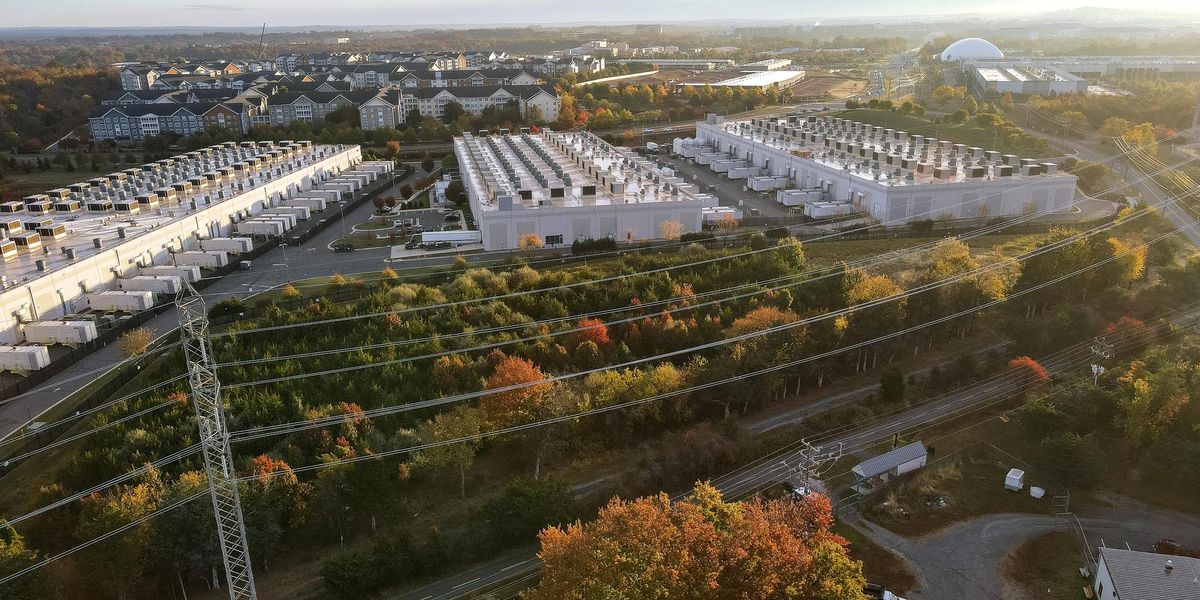
The rapid advancement of artificial intelligence technologies is creating unprecedented and unstable loads on power grids. Unlike traditional consumers, AI computations are characterized by sharp and massive spikes in energy consumption, which threatens the stability of power systems and requires accelerated infrastructure modernization.

What Happened
The specific load profile of AI computations causes high volatility in energy consumption. These sudden spikes create critical instability for existing power grids, as current management models are not designed for such dynamic changes in data center loads.
Context
Traditional energy consumers typically have a more predictable load profile. However, the shift of data centers toward dynamic loads driven by AI requires the implementation of new energy management methods and grid stabilization systems, including the use of energy storage and Smart Grid intelligent management systems.
Why It Matters for the Industry
For the industry, this means a transition from predictable planning to the necessity of implementing dynamic load management systems at the chip and server rack levels. Access to stable and cheap energy is becoming a key competitive advantage, and scaling capacity is now directly limited by the physical resilience of power systems.
Why It Matters for Users
For end users, the rising energy costs to support AI infrastructure could lead to increased electricity prices and a slowdown in the deployment of new computing power. In the long term, this may cause an increase in the cost of renting computing resources.
What Is Not Yet Known / Limitations
There are varying assessments of the risks: ranging from purely technical threats to grid stability to strategic business risks for AI company founders and new market opportunities for developers of energy optimization products.
Sources
Author
Look at AI, Editorial Team