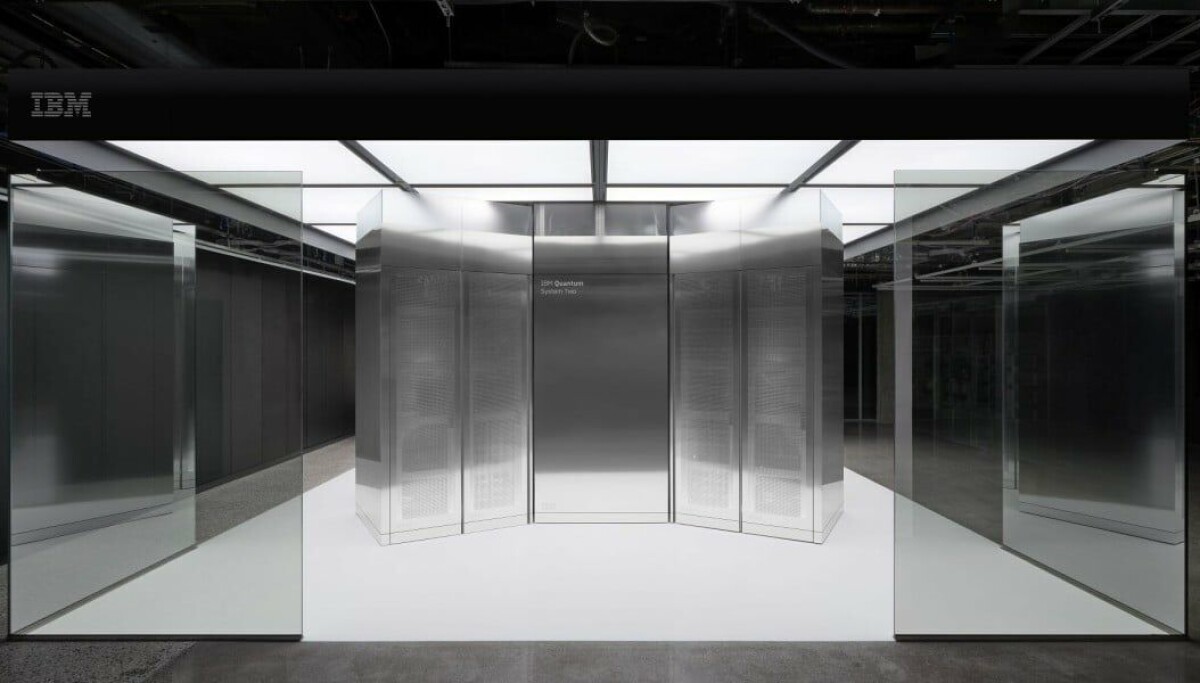
Researchers from Oak Ridge National Laboratory, Cleveland Clinic, and IBM have demonstrated the capabilities of a hybrid computing architecture for modeling molecular structures, which could be key to overcoming the tritium shortage in fusion energy.

What Happened
Scientists used a hybrid system combining CPUs, GPUs, and quantum processing units (QPUs) to model the behavior of FLiBe molecular clusters (a mixture of fluorine, lithium, and beryllium). The work identified nine potential cluster configurations that allow for high-precision prediction of the material's electronic structure at the molecular level. This material could serve as an effective medium for tritium breeding.
Context
Tritium is a critical fuel for nuclear fusion, but its global scarcity limits the scaling of clean energy. Solving this problem requires creating new materials capable of breeding fuel inside the reactor, which necessitates ultra-precise modeling at the quantum level.
Why It Matters for the Industry
The project marks a shift toward the concept of Quantum-Centric Supercomputing, where quantum processing units (QPUs) begin to function as specialized accelerators, similar to GPUs, in materials science and chemistry tasks. This creates a new technological stack and drives demand for software and middleware capable of managing hybrid workloads between classical and quantum nodes.
Why It Matters for Users
For the clean energy industry, this is a significant step toward creating commercially viable fusion power, as solving the fuel problem directly impacts the timeline for scaling the technology. In the long term, this could lead to the emergence of specialized cloud services providing access to quantum-centric supercomputers for chemical simulations.
What Remains Unknown / Limitations
There is a difference in the assessment of applied significance: while researchers see this as a fundamental paradigm shift, engineers are more cautious regarding the proximity to industrial application and practical utility for current workflows. The technological maturity of hybrid systems for widespread industrial use is still in the R&D stage.
Sources
Author
Look at AI, Editorial Staff