A new architectural pattern, Attribute Knowledge RAG (AK-RAG), has been introduced, designed to radically reduce LLM hallucinations in critical enterprise environments such as banking and medicine.
What Happened
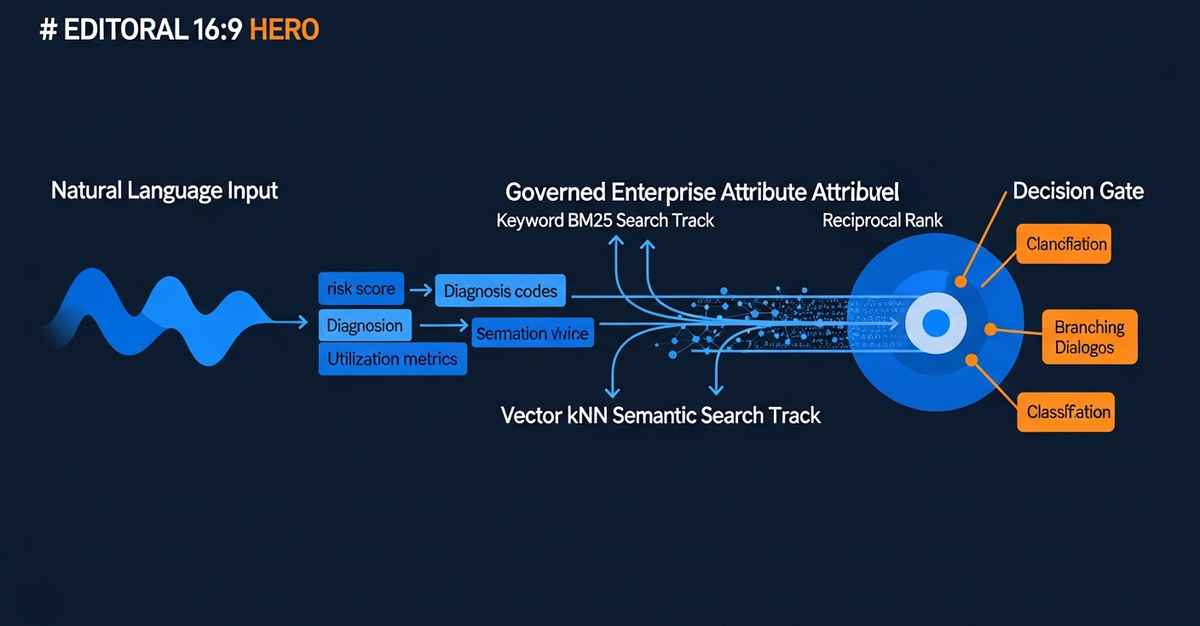
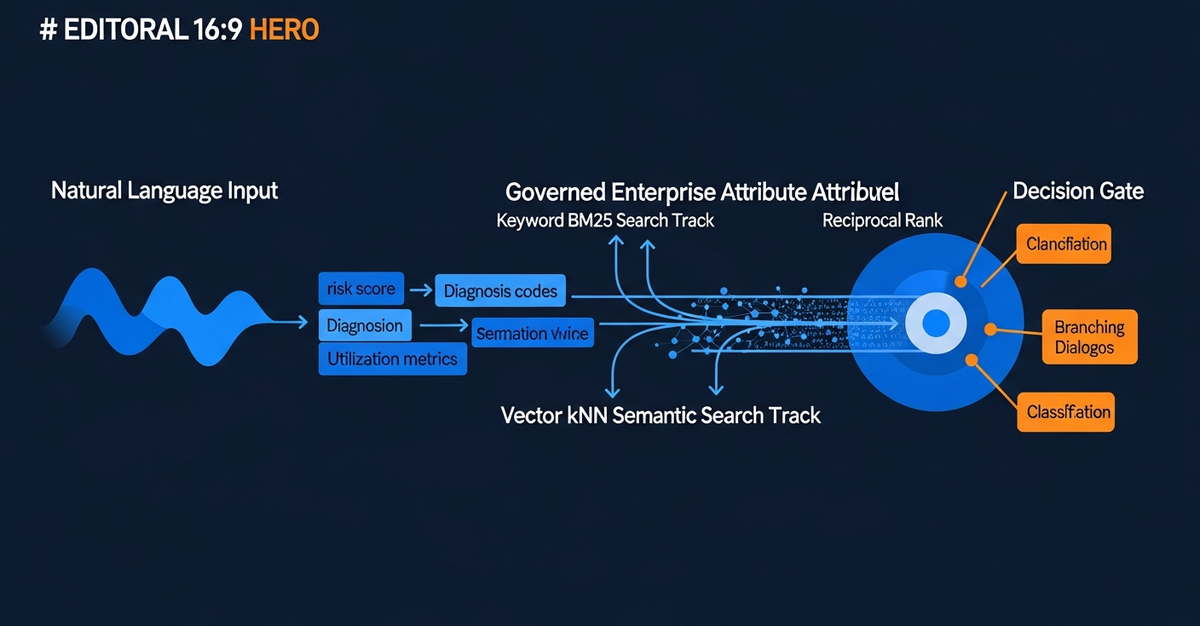
Developers have introduced the AK-RAG approach, which replaces traditional data retrieval from text chunks with working via managed attribute objects. Each attribute is represented as an indexed NDJSON document with metadata. Instead of allowing the model to "invent" field names, the system uses hybrid search (BM25 + kNN) applying the Reciprocal Rank Fusion (RRF) algorithm to select existing attribute_ids.
Context
Standard RAG systems operate in a probabilistic generation mode, which often leads to errors in field names or data types when attempting to interact with rigid data schemas. This creates high risks when automating processes that require strict compliance (e.g., HIPAA or GDPR).
Why It Matters for the Industry
For the industry, this pattern signifies a shift from "free-form generation" mode to "deterministic selection" mode. This is critical for deploying AI agents in the enterprise segment, where working with rigid data schemas and meeting regulatory requirements is essential. The technology enables the creation of more predictable systems capable of integrating into complex automated pipelines without the risk of breaking due to metadata hallucinations.
Why It Matters for Users
Developers and AI system users gain a tool for building reliable agents capable of correctly interacting with databases and APIs. Using AK-RAG minimizes errors in API calls and SQL-like queries, making the use of LLMs in serious business processes safer and more predictable.
Sources
Author
Look at AI, Editorial Team