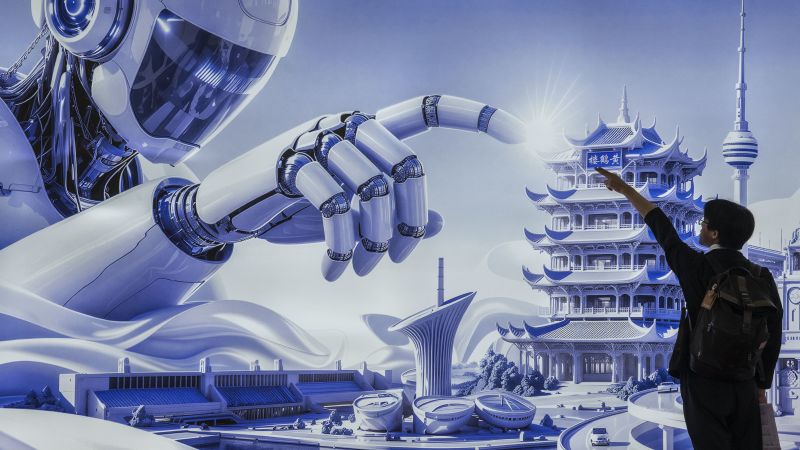
Despite the presence of over 140 manufacturers and an active rental market, the Chinese humanoid robot market has encountered significant technological barriers that are hindering its transition from demonstration shows to real industrial use.

What Happened
The humanoid robot market in China is oversaturated with offerings; however, the level of industrial implementation among leading players, such as Unitree and UBTECH, remains extremely low. The main obstacles include a deficit of data for training physical interaction—where collection costs approximately $150 per hour—as well as engineering complexities regarding actuator miniaturization and effective heat dissipation in robotic hands.
Context
The current market model is skewed toward demonstration robotics and rental services for exhibitions and research centers. This creates a "demonstration bubble" situation, where an excess of manufacturing capacity is not accompanied by the technological readiness required to ensure real autonomy in production environments.
Why It Matters for the Industry
For the industry, this signifies a need for a paradigm shift: moving from simply increasing the number of manufacturers to solving fundamental problems. Key development areas will include creating specialized physical interaction datasets, implementing Sim-to-Real methods, and developing new actuator architectures to improve fine motor skills.
Why It Matters for Users
For a wide range of users and businesses, this means that mass labor automation via humanoids is delayed. For now, robots remain more of a tool for marketing shows and research rather than a full replacement for human labor in the real economic sector due to their inability to mimic complex hand dexterity.
Sources
Author
Look at AI, Editorial Staff