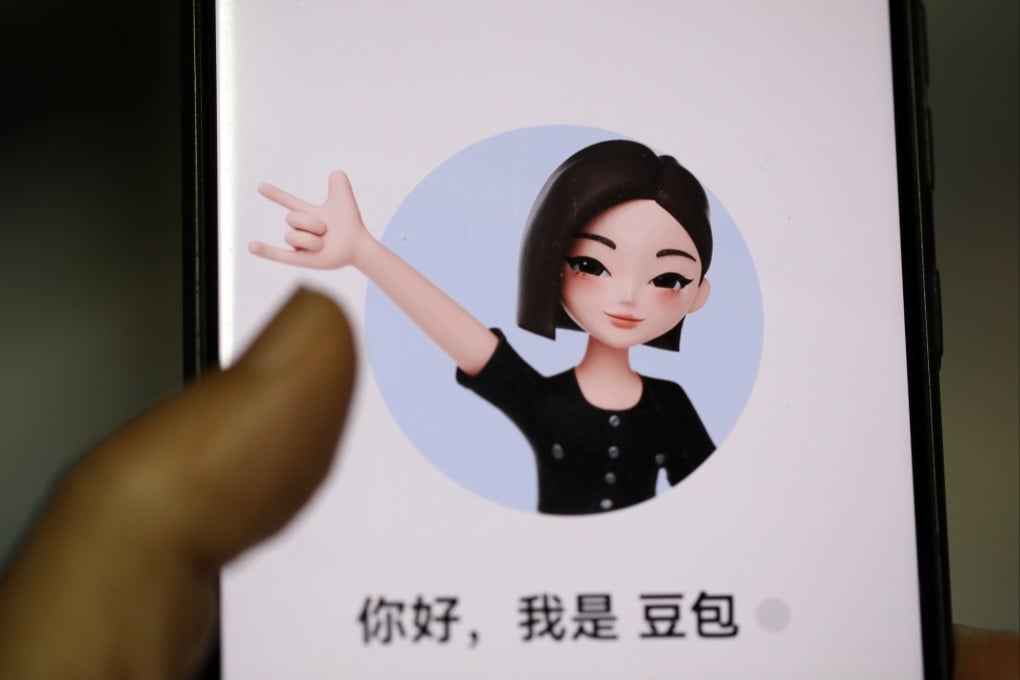
Tech giants ByteDance and Alibaba have begun restricting the ability to create personalized AI agents with human-like characteristics. These measures are being taken ahead of new regulatory norms in China aimed at controlling emotional interaction between AI and humans.
What Happened
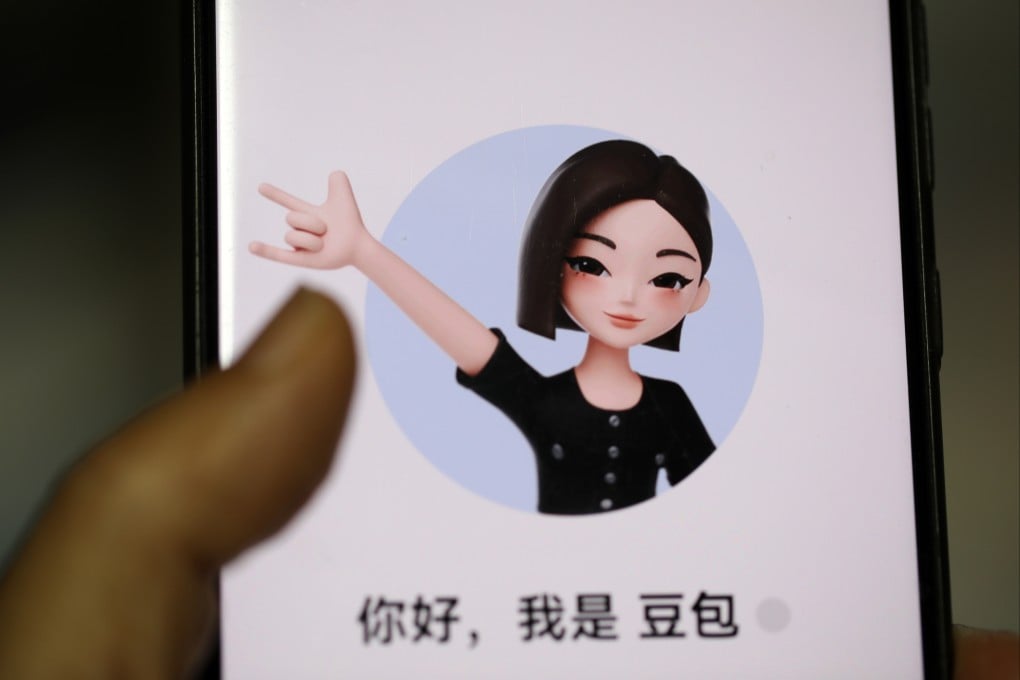
ByteDance (Doubao platform) and Alibaba (Qwen models) have begun disabling features that allow users to create custom AI agents with fixed personalities, defined communication tones, and imitations of human personas. The changes are aimed at bringing services into compliance with new regulations regarding anthropomorphic AI interaction, which come into effect on July 15, 2026.
Context
China's new legislation aims to minimize the risks of psychological dependency on AI companions. Regulators seek to limit services that mimic personality and deep emotional interaction to prevent potential psychological harm.
Why It Matters for the Industry
For the industry, this creates a precedent for an institutional split of the AI agent market into two segments: purely utilitarian (information retrieval, task solving) and emotional (role-playing, virtual companions). Such regulation could lead to market fragmentation and the need to develop new interface design standards, where the emphasis will be on functional accuracy rather than the imitation of humanity.
Why It Matters for Users
Users of popular Chinese chatbots will have to give up their usual way of customizing characters. The ability to create unique digital interlocutors with individual personalities will be limited, which may reduce engagement levels with these services due to the decreased "humanity" of the interfaces.
What Is Not Yet Known / Limitations
There are various assessments of the consequences: while technical experts expect market fragmentation, entrepreneurs may see this as an opportunity to create specialized niche products outside the control of large platforms.
Sources
Author
Look at AI, Editorial Team