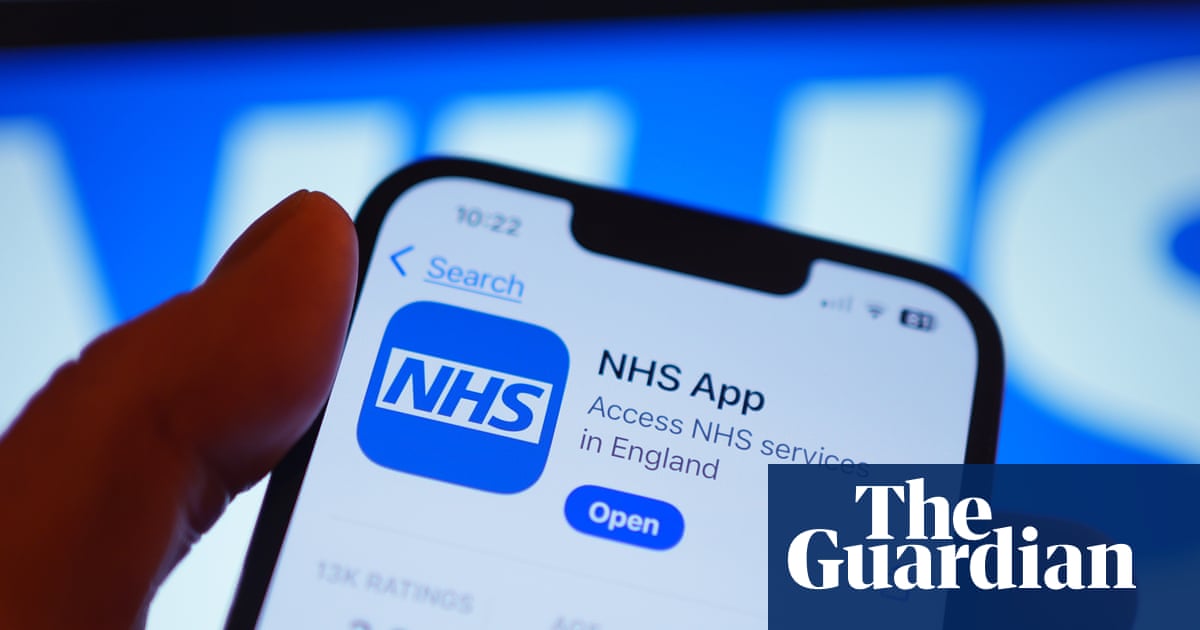
The UK's National Health Service (NHS) is integrating artificial intelligence into its mobile app to automate the patient triage process. The system will help determine whether a patient requires a visit to a GP, a pharmacy, or an Accident & Emergency (A&E) department.
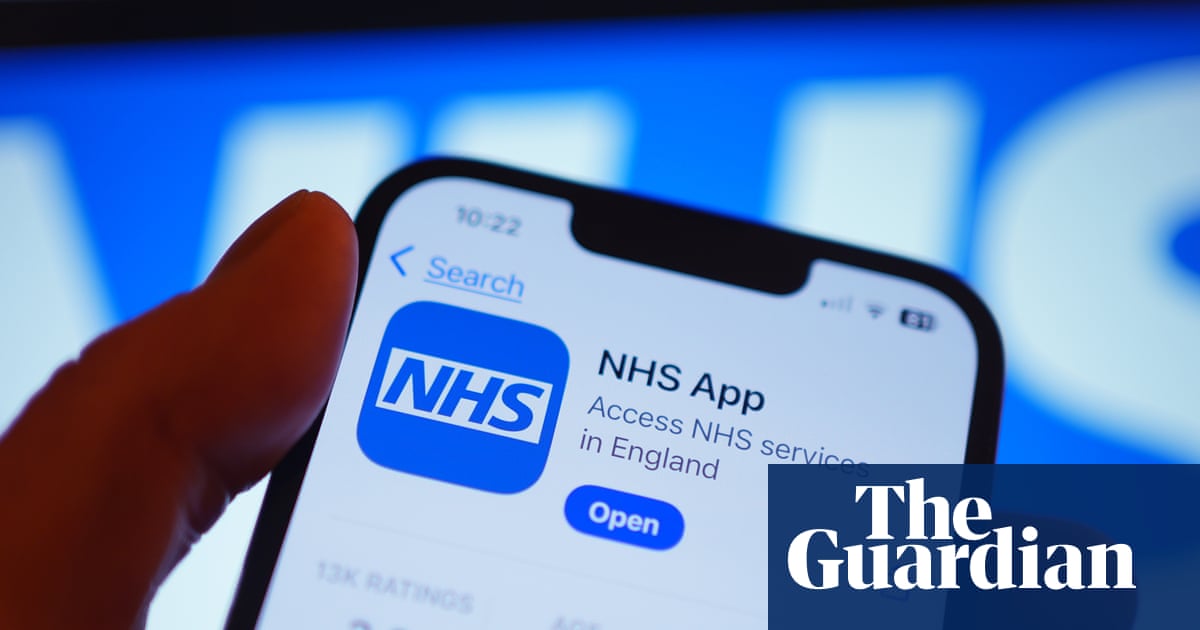
What Happened
As part of a £10 billion government investment package, the NHS is launching the implementation of AI triage tools. In the first phase, the project will cover approximately 200,000 people, with plans to make the service available to all system users by 2028.
Context
This initiative marks a shift from isolated pilot projects to the systemic implementation of AI within critical public infrastructure. The project aims to utilize ambient voice technology to reduce the administrative burden on medical staff and optimize the patient journey.
Why It Matters for the Industry
For the industry, this is a signal of the transition toward large-scale automation of public services. This creates demand for highly reliable inference solutions, low-latency systems, specialized medical LLMs, and evaluation tools (evals) to ensure accuracy in critical scenarios.
Why It Matters for Users
For patients, AI is becoming the new standard interface for interacting with a complex state organization. However, this also raises questions regarding digital exclusion and legal liability for decisions made by algorithms.
What Is Not Yet Known / Limitations
Technical specialists must consider risks regarding reliability, latency predictability, and the complexity of model orchestration on a nationwide scale.
Sources
Author
Look at AI, Editorial Team