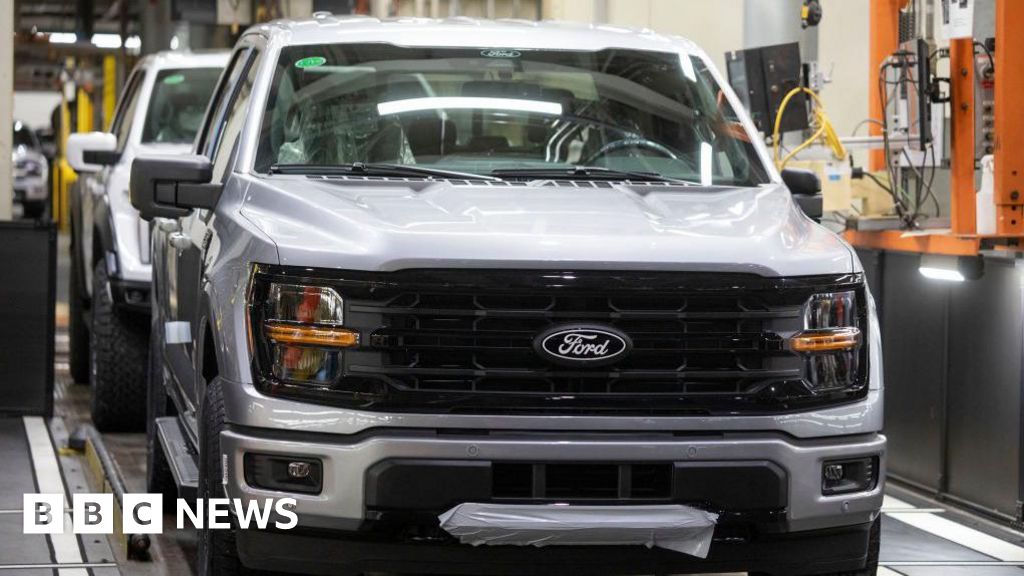
Ford has decided to rehire more than 300 experienced engineers and quality inspectors. This decision follows the implementation of an AI analytics system that failed to maintain the production standards required for part quality control.
What Happened
To manage quality control, the company deployed 900 cameras equipped with AI analytics. However, due to a lack of high-quality training data provided by subject matter experts, the system began making errors. As a result, Ford rehired 300 specialists who will now not only inspect parts but also focus on training machine learning algorithms by transferring their years of expertise to the models.
Context
The automation failure highlights a critical gap between deploying AI infrastructure and the availability of high-quality expert data (ground truth). Without proper labeling and formalization of expert knowledge, implementing Computer Vision in complex manufacturing cycles proves ineffective.
Why It Matters for the Industry
This case demonstrates a fundamental problem regarding data quality in industrial AI. For the industry, it serves as a signal to shift focus from developing model architectures and purchasing hardware toward creating pipelines for collecting, labeling, and verifying expert knowledge (Data-centric AI) and implementing Human-in-the-loop tools.
Why It Matters for Users
For technology professionals, this is a vital lesson: human experience is not replaced by machines, but rather becomes a critical resource for training them. In the AI era, the value of expert knowledge increases, as it serves as the foundation for the correct operation of automated systems.
What Remains Unknown / Limitations
Interpretations of the situation vary by specialization: while ML engineers and enterprise AI architects focus on failures in data governance, AI startup founders view this as a shift in the economic value of human experience, which is transforming into 'raw material' for models.
Sources
Author
Look at AI, Editorial Staff