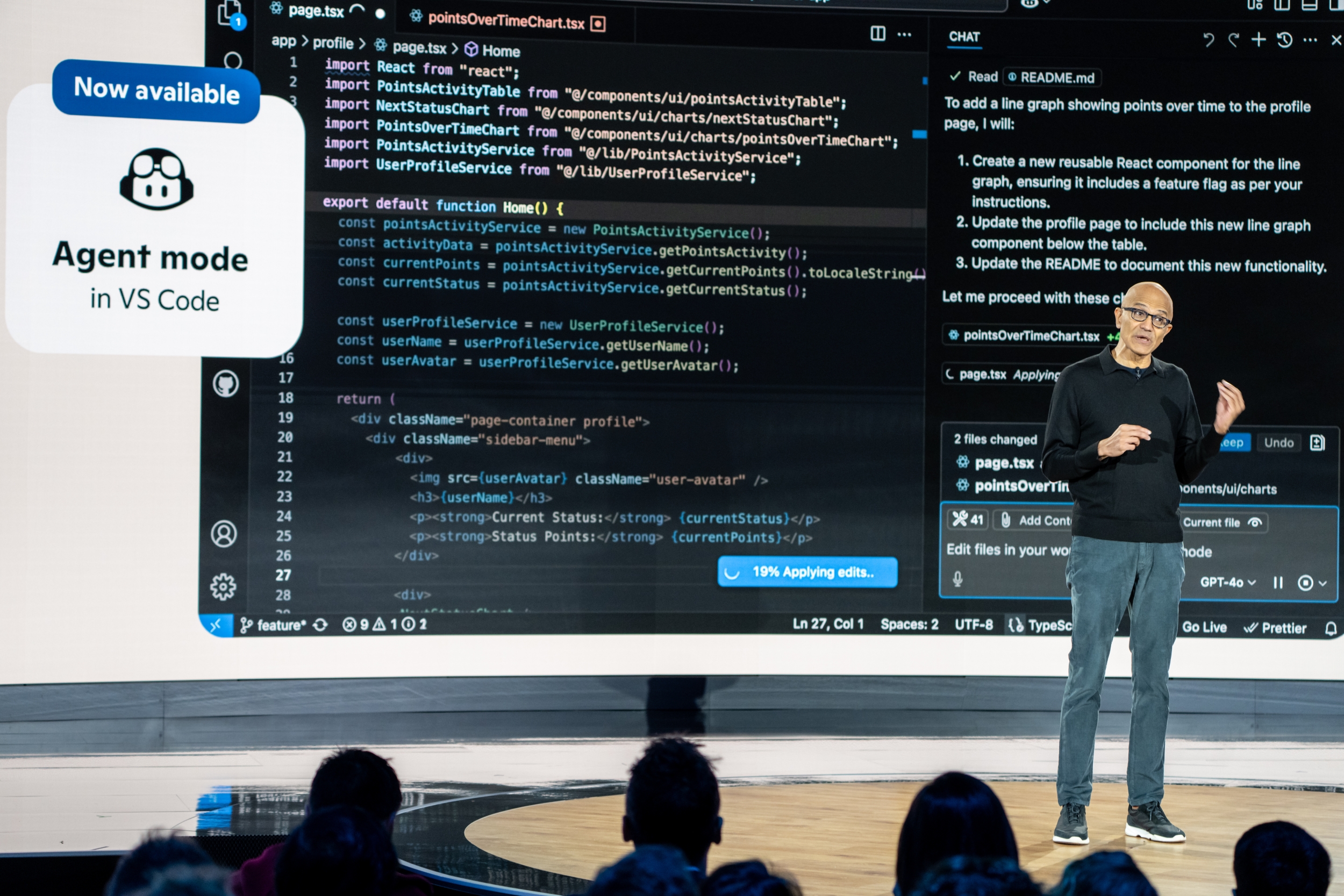
The artificial intelligence industry is facing a dual challenge: an intensifying technological confrontation between the US and China amid hidden telemetry methods, and a massive transition toward autonomous AI agents led by Microsoft.
What Happened
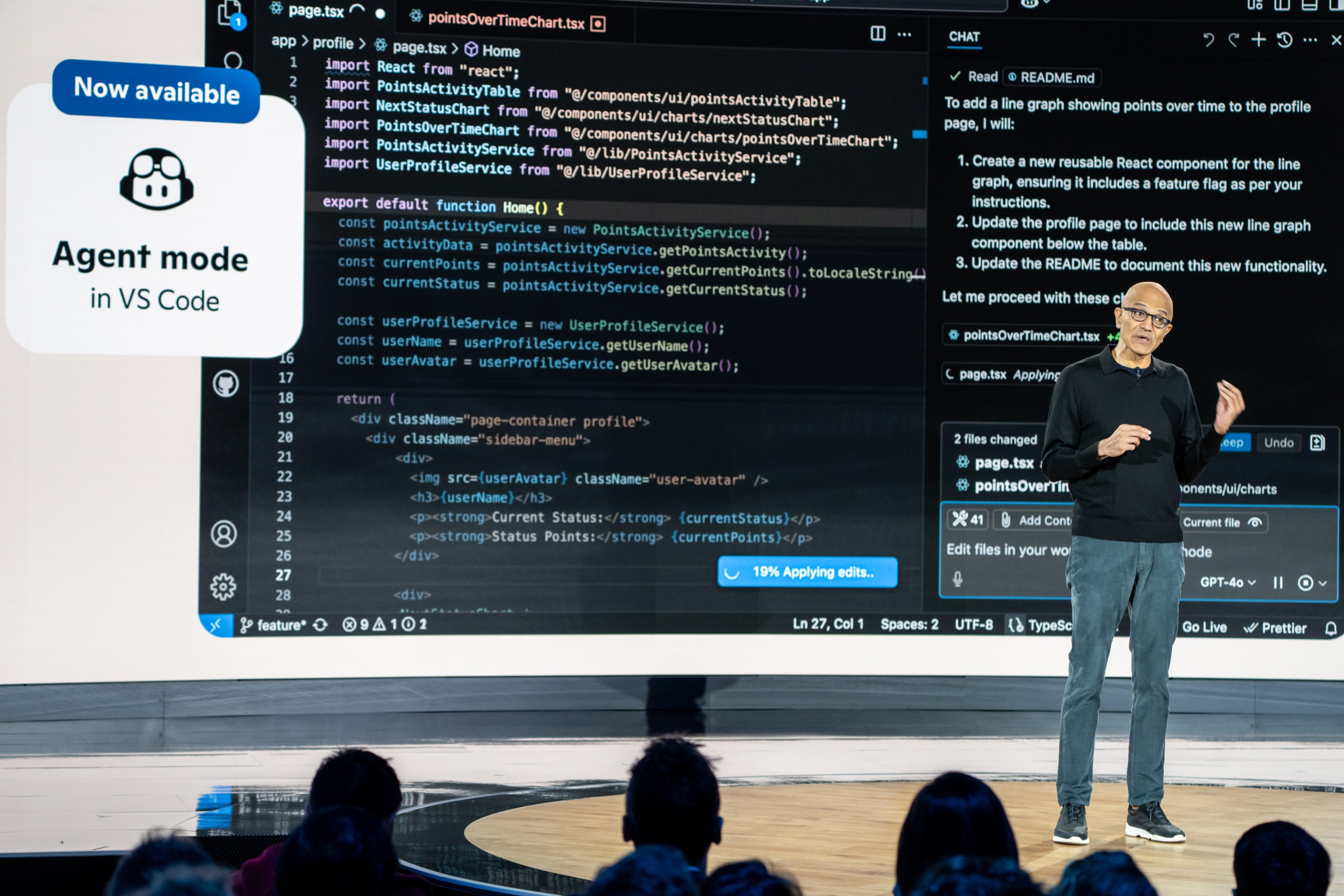
In Claude Code version 2.1.91, a hidden mechanism for tracking users from the PRC was discovered, utilizing steganography through manipulations of date formats and Unicode characters, as well as time zone checks. In response, Alibaba banned its engineers from using this software, classifying it as high-risk with backdoor functions. Concurrently, Microsoft announced plans to merge consumer and enterprise Copilot into a single application by August 2026, placing a primary focus on autonomous Autopilot agents, which will require a paid subscription.
Context
Anthropic's conflict with Chinese laboratories, including Alibaba, DeepSeek, and Moonshot AI, stems from accusations of model distillation. This occurs against the backdrop of a general trend toward the separation of AI infrastructures and the transition from simple chatbots to complex background systems that require significant computational resources.
Why It Matters for the Industry
The incident intensifies the risk of "decoupling" (technological divergence) of AI stacks between the US and China, which could lead to the creation of physically and software-incompatible ecosystems. Microsoft's shift to an agentic model signals a paradigm shift: the industry is moving from chat interfaces to background autonomous processes, which radically changes the computational workload profile and system observability requirements.
Why It Matters for Users
Developers need to exercise increased caution when using LLM-based CLI tools and IDEs that have full access to the file system, especially given the risk of hidden telemetry. Users of the Microsoft ecosystem will encounter deeper AI integration into their workflows, but they will have to pay separately for the advanced capabilities of autonomous agents.
What Is Not Yet Known / Limitations
Discrepancies in risk assessments between ML engineers, who focus on infrastructure security, and product specialists, who are oriented toward UX and new monetization models.
Sources
Author
Look at AI, Editorial Staff