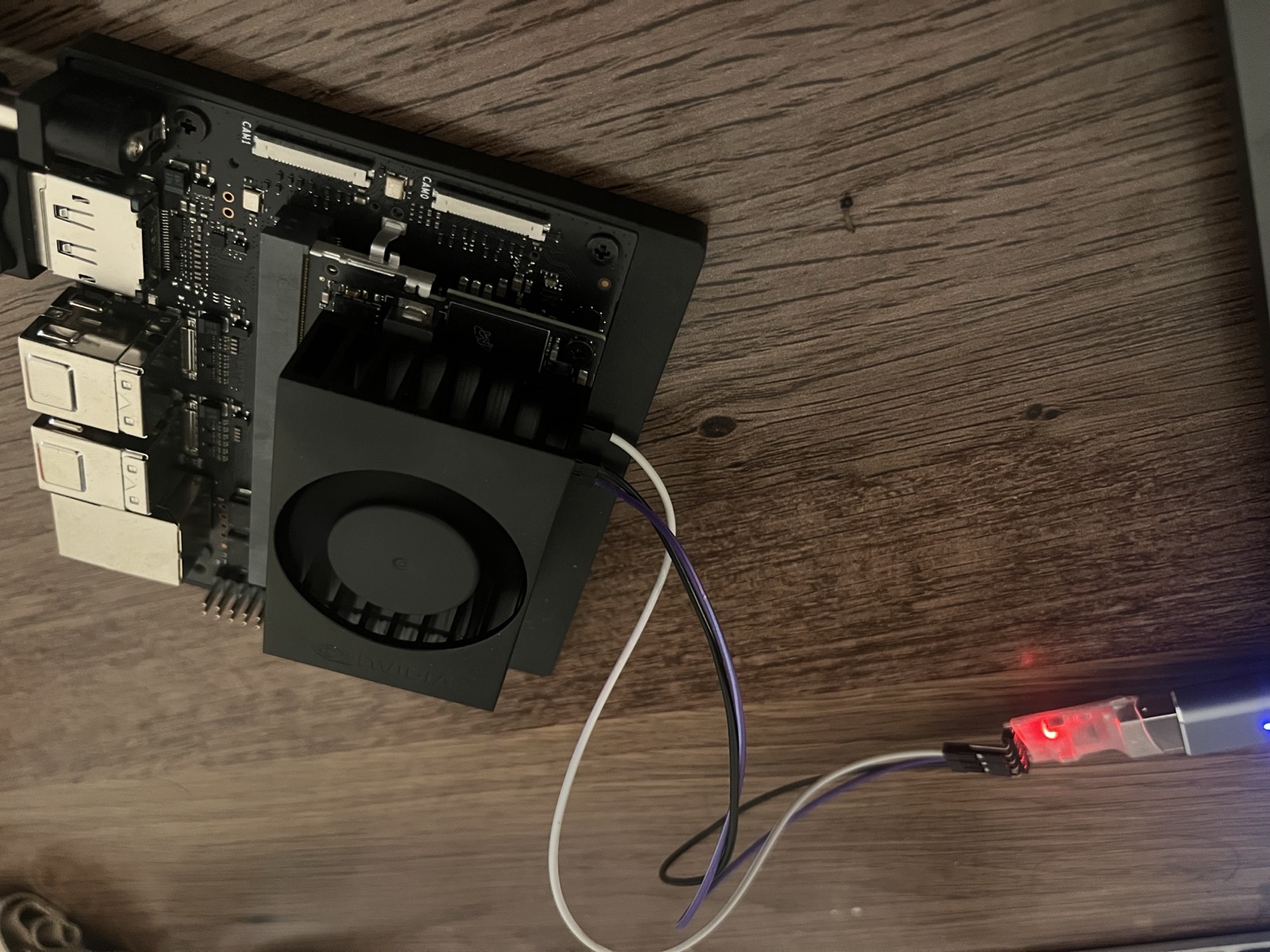
A developer has introduced StreamTTS—a new architecture for running local speech synthesis on the NVIDIA Jetson Orin Nano using the Kokoro-82M model. Instead of traditional REST APIs, the system utilizes the concept of "durable streams" via S2-Lite, allowing for the unification of audio recording, storage, and playback into a single log-oriented data stream.
What Happened
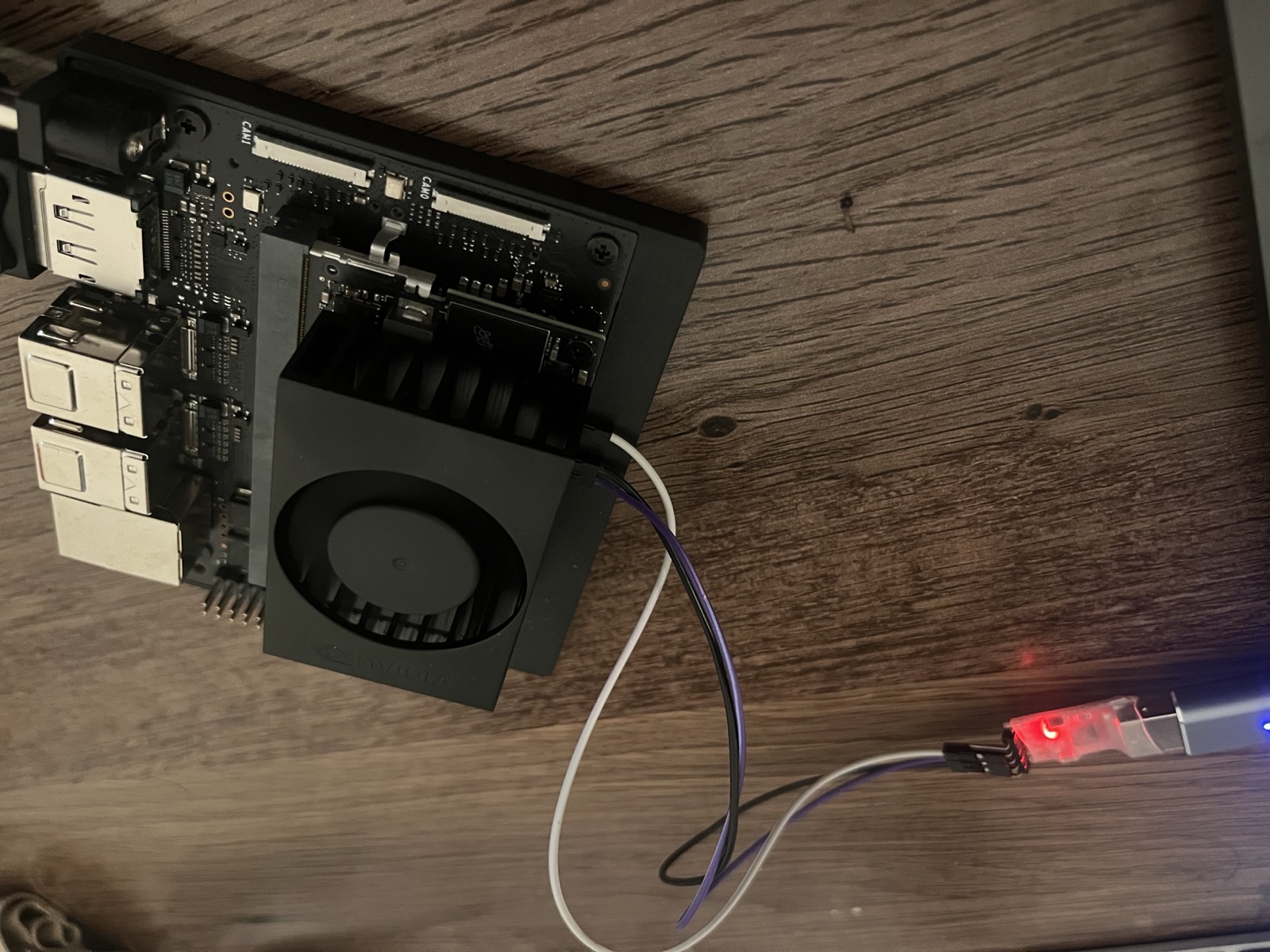
The StreamTTS architecture was presented, which enables efficient inference of the Kokoro-82M model on the NVIDIA Jetson Orin Nano edge device. The system implements a log-centric approach via S2-Lite, where all audio operations are reduced to working with ordered disk records, ensuring fault tolerance and instantaneous playback start.
Context
Traditional AI service deployment methods often rely on a "request-response" architecture and require heavy databases or message brokers to manage queues. Using the durable streams concept allows these complex components to be replaced by a simple and reliable log-based data stream management mechanism.
Why It Matters for the Industry
Moving toward a log-centric architecture in AI inference reduces latency and simplifies infrastructure. This enables the creation of complex systems, such as "AI radio," with minimal server power costs and without the need for bulky message brokers, which is critical for resource-constrained edge computing.
Why It Matters for Users
For developers and enthusiasts, this opens the possibility of creating reliable, fast, and fully autonomous text-to-speech services on budget hardware. This approach reduces dependency on paid cloud APIs, such as OpenAI or Google TTS, ensuring privacy and offline functionality.
What Is Not Yet Known / Limitations
The technical description did not detail aspects of data management, security, and compliance, which are critical for the enterprise segment.
Sources
Author
Look at AI, Editorial Team