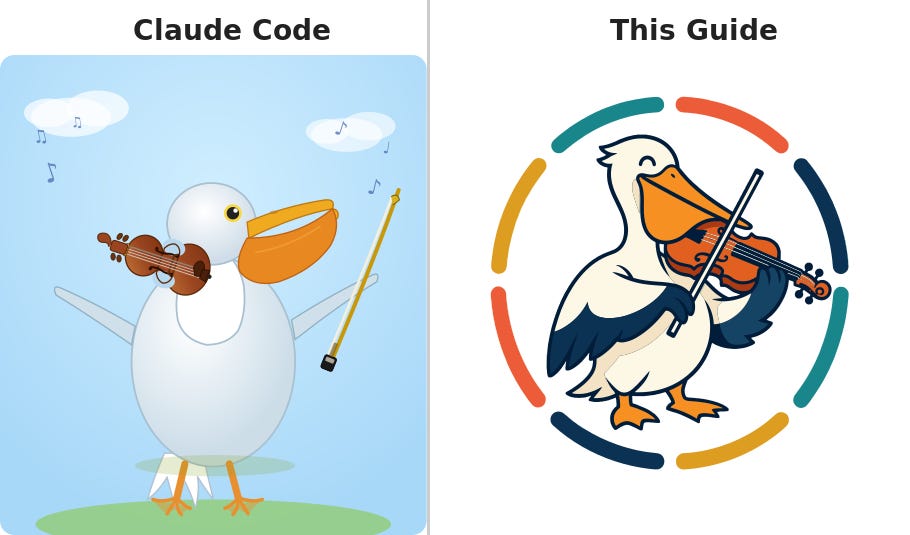
Gabriel Furstenheim has introduced an optimized method for creating professional vector images (SVG) by using a hybrid approach instead of direct code generation by neural networks.
What Happened
Instead of asking neural networks to write complex SVG code directly—which often leads to errors—the proposed method involves first generating raster images (PNG) in a vector style, and then using specialized tools like vectorizer.ai to perform an accurate mathematical conversion of pixels into vector paths.
Context
Current Large Language Models (LLMs) demonstrate low accuracy when directly generating complex SVG code due to issues with mathematical precision and proper XML structure. This creates a need for engineering workarounds that shift the task from the domain of code generation to the domain of raster generation followed by vectorization.
Why It Matters for the Industry
This approach highlights the necessity of moving from using AI as a single creator to building agentic systems, where roles are divided between an image generator and a specialized conversion tool. This opens up possibilities for creating industrial-quality graphics through hybrid pipelines and creates a market niche for services that combine raster generation with vectorization APIs.
Why It Matters for Users
Designers and developers can create professional icon sets and vector assets without deep knowledge of SVG code or the need to manually fix syntax errors that chatbots often produce when attempting to "draw" with code.
What Is Not Yet Known / Limitations
The method is an engineering workaround rather than a fundamental scientific breakthrough in the architecture of the models themselves.
Sources
Author
Look at AI, Editorial Team