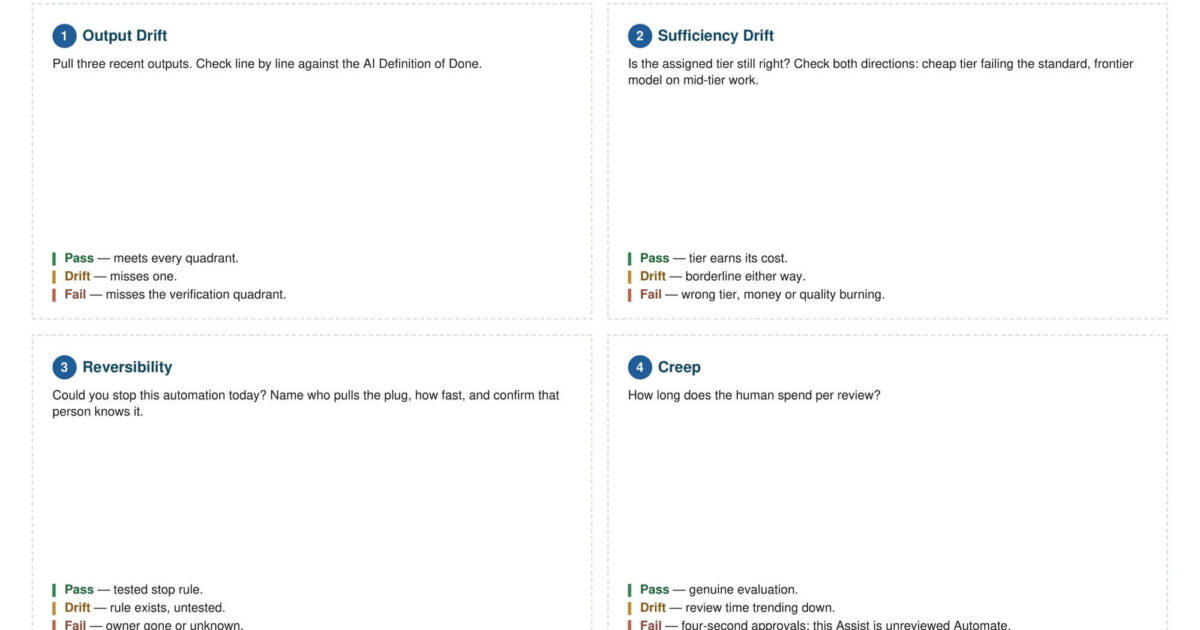
To combat uncontrolled automation, the concept of "Delegation Audit" has been proposed, allowing for effective verification of AI agent performance and preventing the accumulation of technical debt.
What Happened
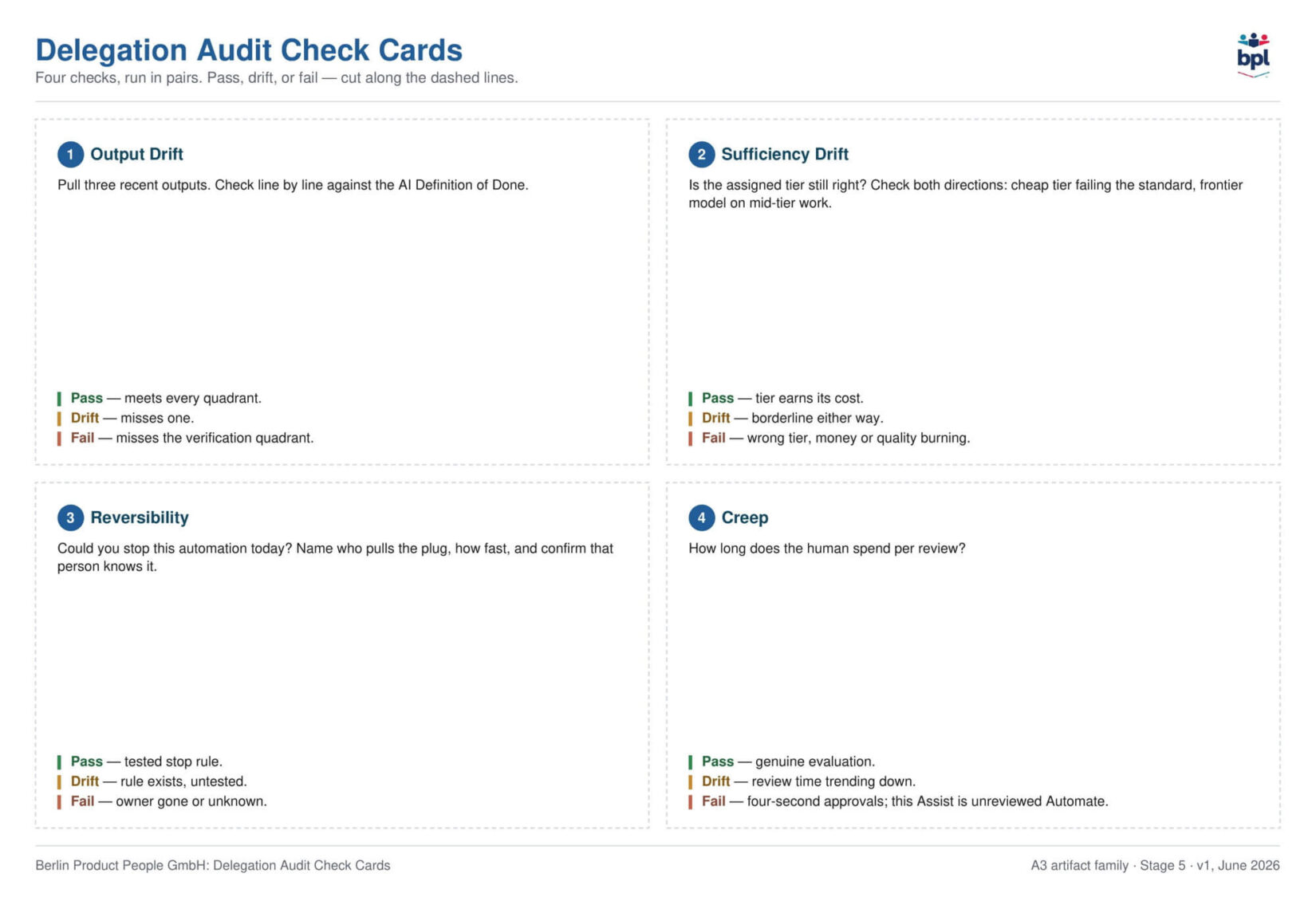
A methodological framework called Delegation Audit has been introduced for auditing autonomous systems. The process involves verification across four areas: compliance with current standards, the relevance of the model used for a specific task, the availability of a human-in-the-loop mechanism to interrupt automation, and monitoring to ensure the process does not escalate into uncontrolled automation. The procedure can be completed in just 15 minutes for a single workflow.
Context
With the development of AI agents, there is a risk of "AI debt"—a situation where the uncontrolled implementation of automation leads to a loss of transparency and system manageability. There is a difference in how these tools are perceived: engineering roles often see it merely as a management framework, while product and business roles view it as a critical risk management tool.
Why It Matters for the Industry
Implementing audit standards will help foster a culture of AI Governance and integrate control processes into the Software Development Life Cycle (SDLC). In the long term, this could lead to the emergence of a specialized market for tools designed to monitor autonomous agents and prevent operational debt.
Why It Matters for Users
Users gain a practical mental model for assessing risks when transitioning from simple chatbots to complex agents. This allows for the identification of hidden automation errors and ensures the possibility of manual intervention in critical situations.
What Is Not Yet Known / Limitations
The concept is methodological rather than a technical ML solution, so its value may vary depending on the role (technical vs. product).
Sources
Author
Look at AI, Editorial Team