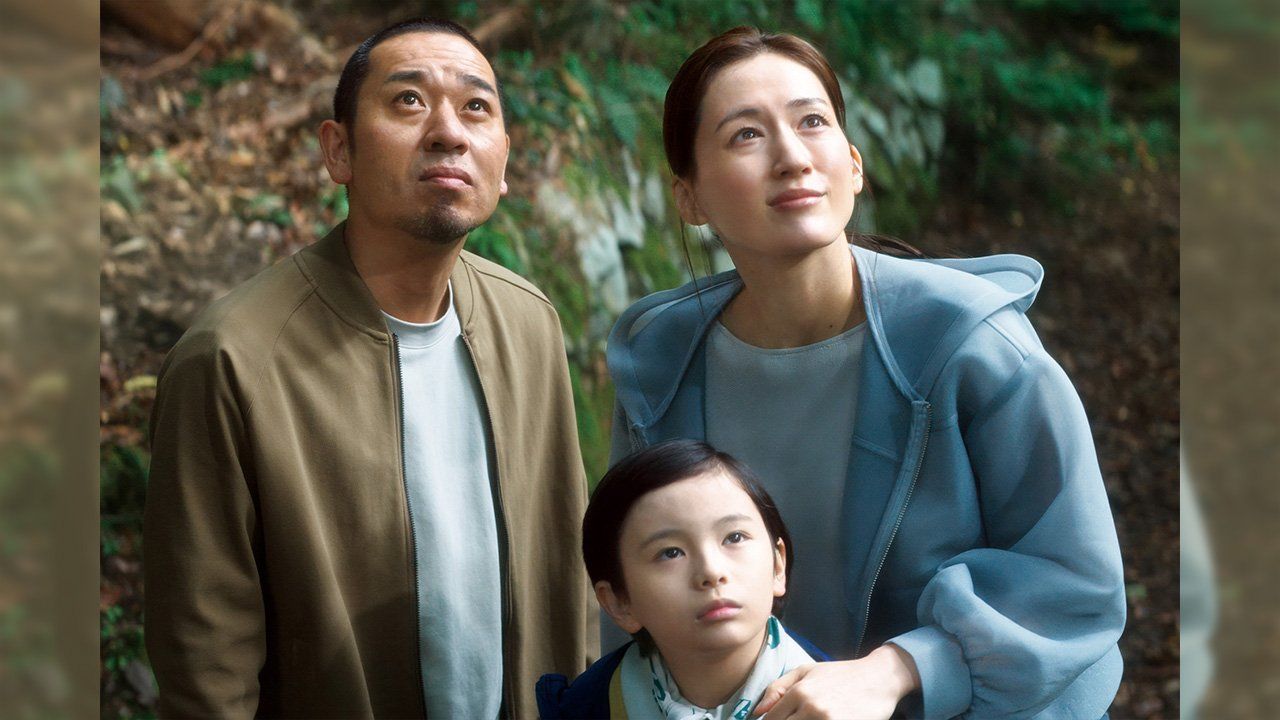
Japanese director Hirokazu Kore-eda has presented the film *Sheep in the Box* (2026), which explores the profound ethical and psychological aspects of using AI to "resurrect" deceased individuals through the creation of digital twins.
What Happened
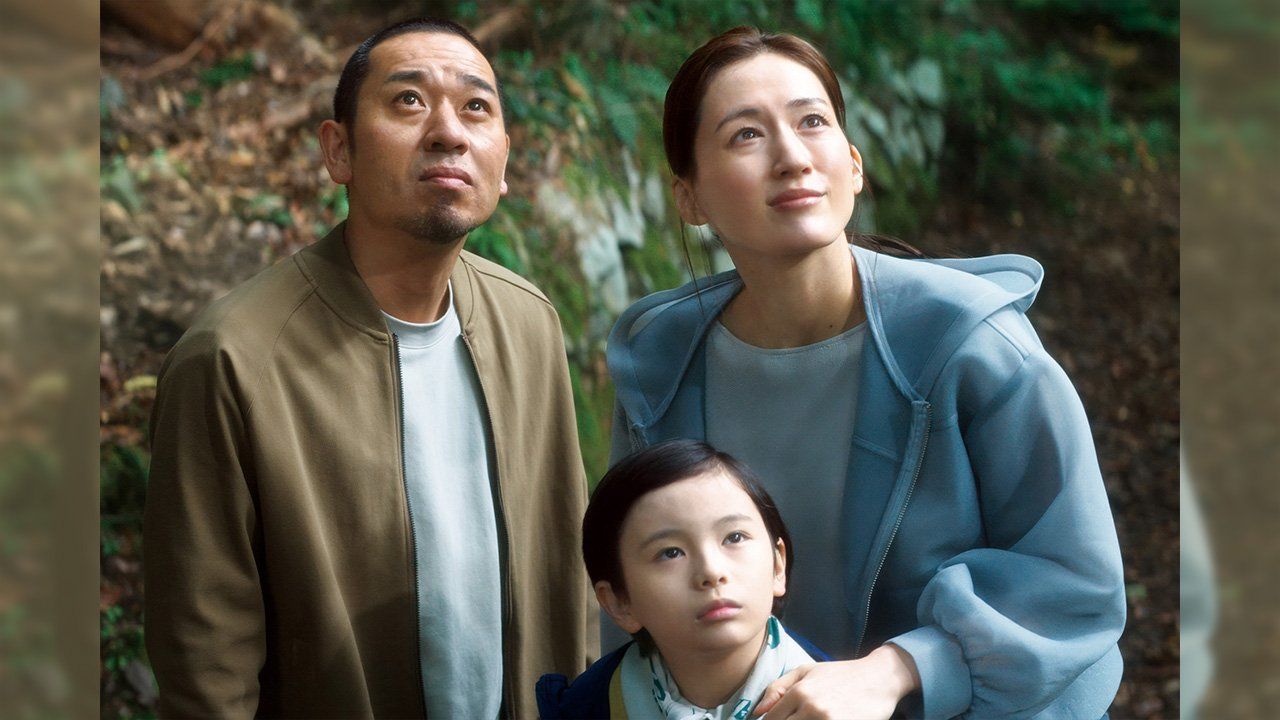
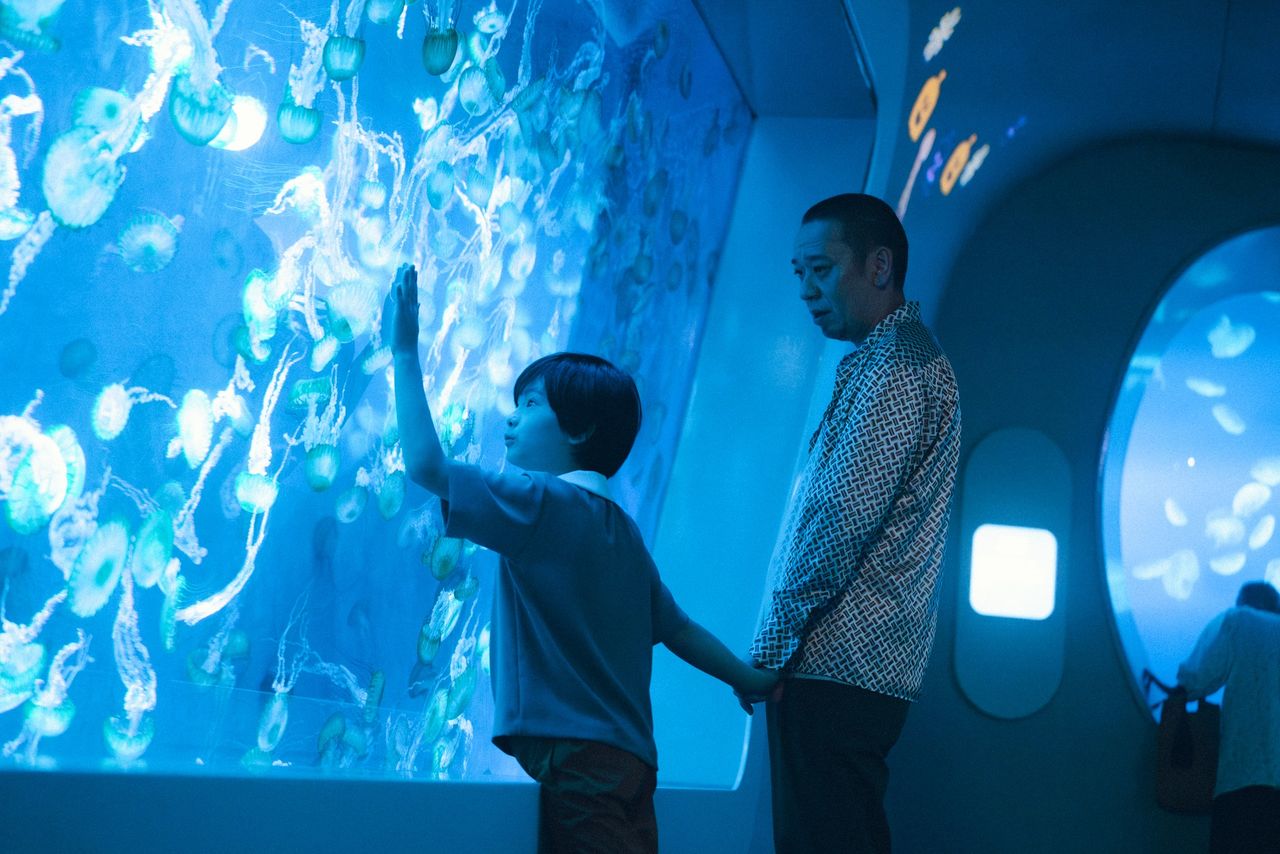
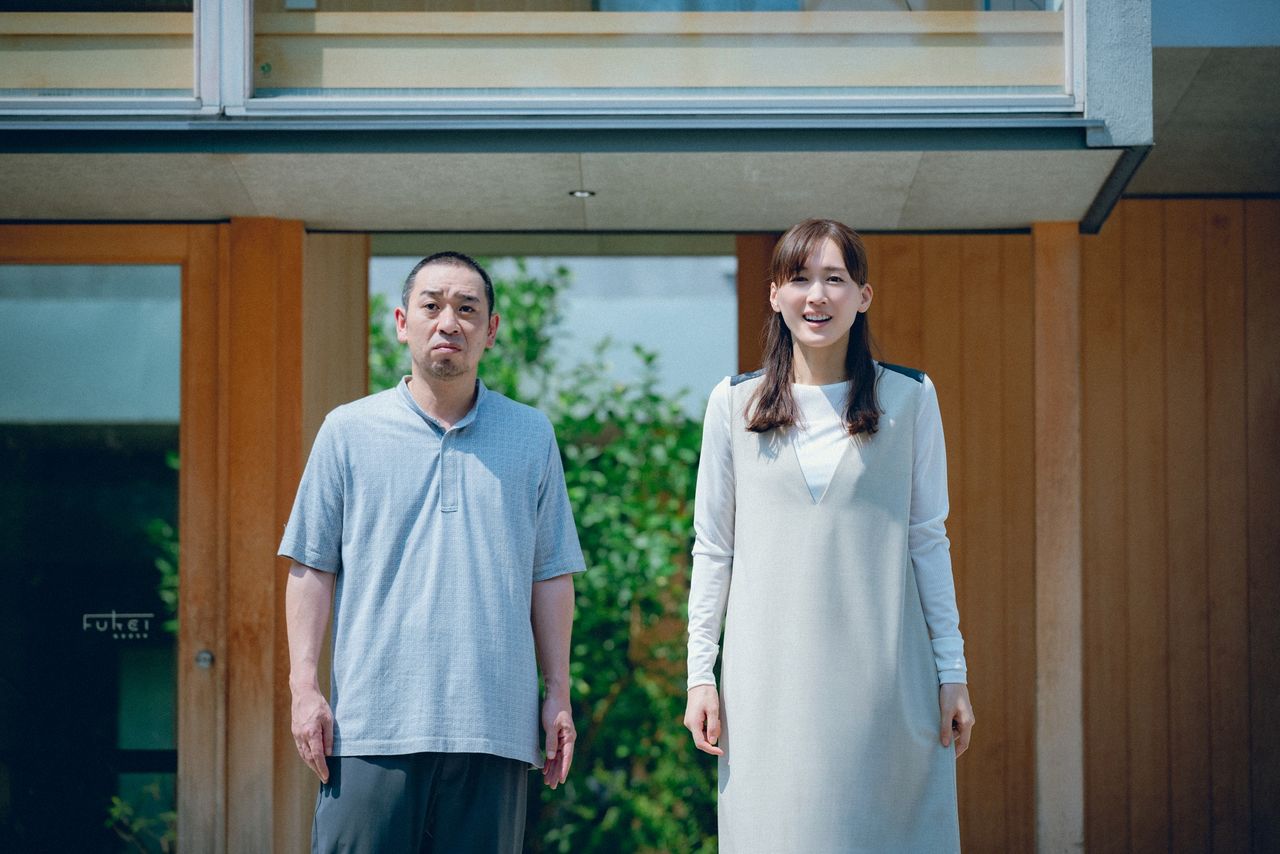
The plot centers on a humanoid robot created based on the personal data of a seven-year-old boy. This robot is passed to a grieving family, serving as an attempt to restore the lost presence of the child through technology.
Context
The film focuses not on the technical implementation of AI, but on the psychological reaction of people to a digital presence. The work explores how individuals project their desires onto an artificial shell, creating new forms of human grieving.
Why It Matters for the Industry
For the AI industry, this is a signal of technology transitioning from a purely utilitarian sphere into the realm of deep emotional and cultural integration. This shapes the potential for new markets in digital twins and necessitates the development of specialized protocols for managing "Digital Legacy."
Why It Matters for Users
For society and everyday users, the concept of digital immortality could radically change the perception of death and family relationships. It raises important questions regarding psychological safety when interacting with highly realistic AI agents and the protection of the personal data of the deceased.
What Is Not Yet Known / Limitations
There is a significant gap between the cultural interest in digital twins and the technical readiness for their safe and ethical implementation, including a lack of robust governance mechanisms.
Sources
Author
Look at AI, Editorial Team