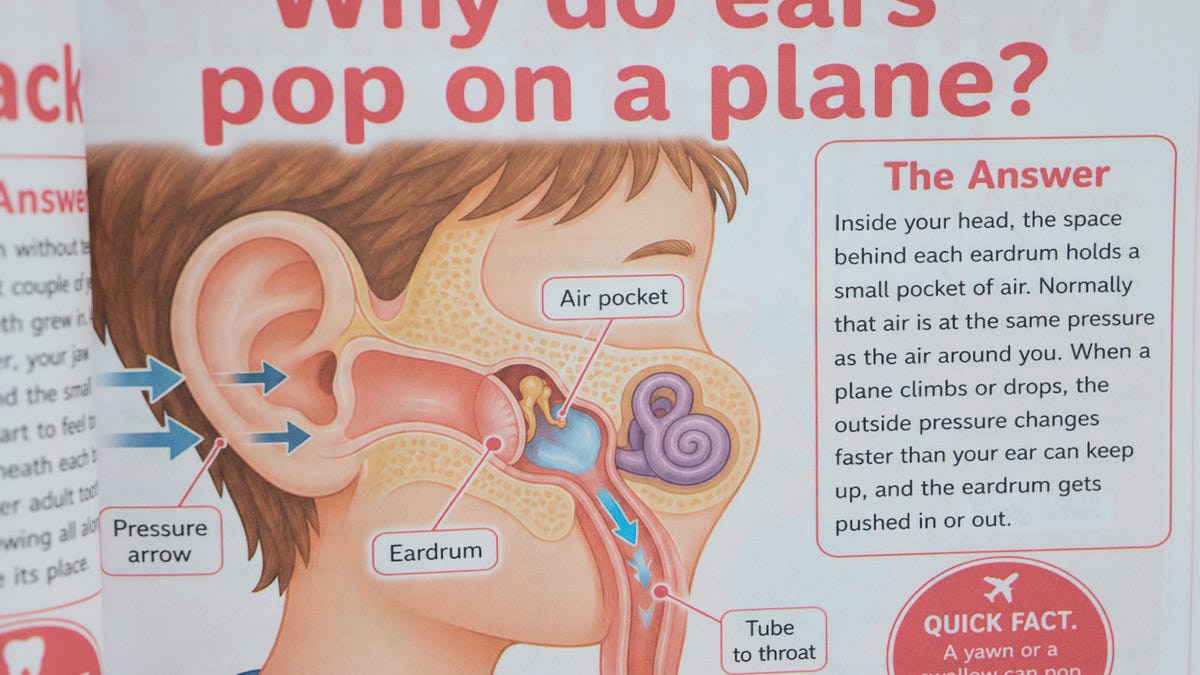
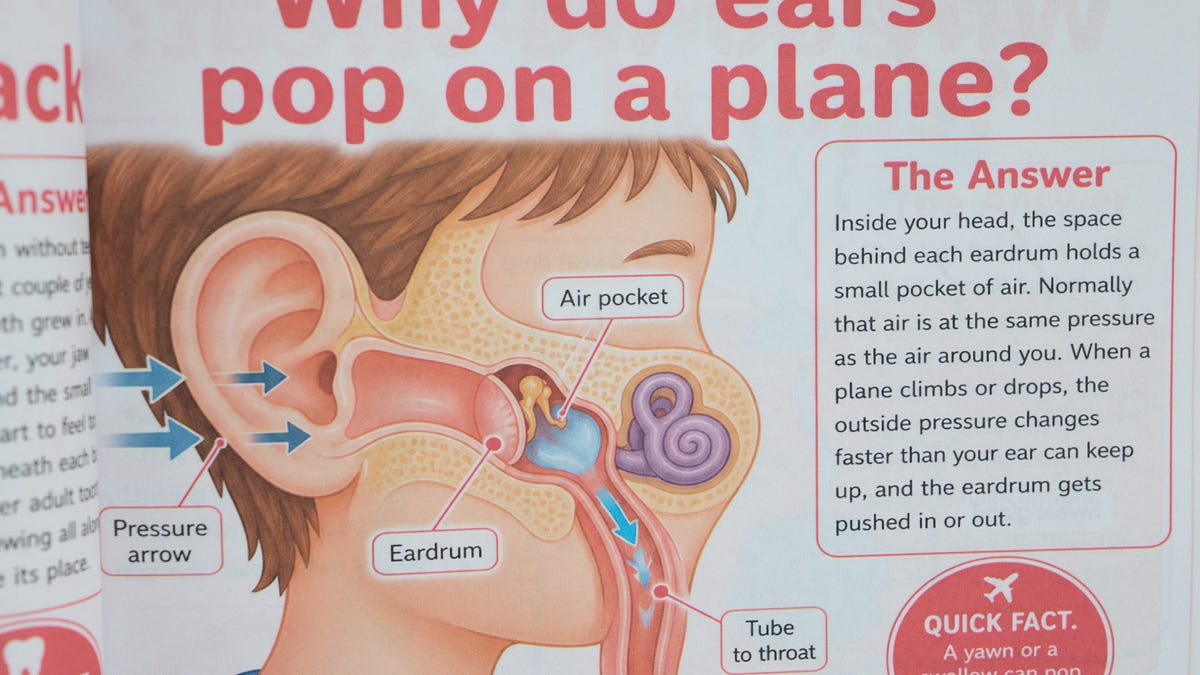
The mass use of generative AI to create children's encyclopedias has led to the emergence of disturbing content featuring distorted anatomy and surreal biological artifacts, known as body horror.
What Happened
Blogger lcamtuf discovered a flood of AI-generated children's educational books on Amazon. Driven by publishers' desire to drastically reduce costs while maintaining high demand for gift books, the image generation process is being carried out without proper oversight. This leads to visual hallucinations: distorted bodies, extra limbs, and other destructive anatomical errors.
Context
The problem stems from a critical gap between the linguistic capabilities of modern LLMs and the visual accuracy of generative models. While the text component of the books may appear logical, the visuals demonstrate the models' inability to adhere to biological and anatomical standards in specialized educational niches.
Why It Matters for the Industry
For the industry, this is a signal of the unreadiness of current unsupervised workflows to create educational content without rigorous evaluation systems (evals). There is an acute need to move from simple generation to controlled architectures, such as ControlNet, and to implement specialized Visual Quality Assurance (Visual QA) tools and multi-agent systems where one agent acts as a critic for anatomical correctness.
Why It Matters for Users
For readers and parents, this means the risk of encountering low-quality and visually destructive content disguised as useful books. This undermines trust in AI products within the educational sector and requires increased vigilance when selecting literature created using generative technologies.
What Remains Unknown / Limitations
Current model evaluation metrics may not account for specific accuracy requirements in highly specialized visual domains, making it difficult to automatically filter such content.
Sources
Author
Look at AI, Editorial Team