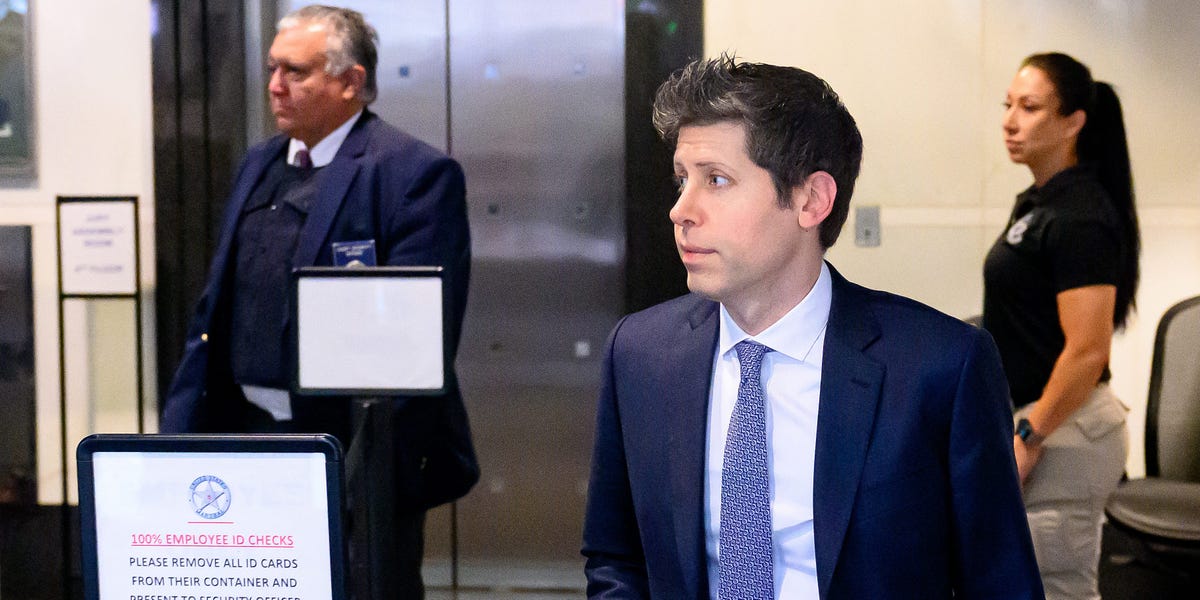
During the "Musk v. OpenAI" legal proceedings, details emerged regarding Sam Altman's personal investments in companies that collaborate with OpenAI. Court documents indicate that Altman holds stakes in several startups whose valuations increase immediately following deals with OpenAI.

What Happened
Legal proceedings have revealed that Sam Altman holds stakes in startups such as Helion Energy (valued at over $1.6 billion), Cerebras (a chip manufacturer), and Retro Biosciences. It was established that OpenAI's commercial decisions regarding the procurement of computing power and energy may directly correlate with the growth in the value of Altman's personal assets. Consequently, the U.S. House of Representatives and state attorneys general have launched investigations into potential conflicts of interest.
Context
The value-creation scheme is built on an infrastructural link: investments in Cerebras and Helion Energy allow Altman to profit from OpenAI's technological needs for chips and energy. Previously, Altman proposed a $500 million investment in Helion Energy to OpenAI, which caused internal concerns within the company; however, the agreement was signed after his departure from the board of directors.
Why It Matters for the Industry
The incident calls into question the ethics of governance in companies operating at the intersection of non-profit and commercial statuses. For the industry, this implies a risk of suboptimal decision-making when selecting resource suppliers (compute, energy) due to leadership's personal interests, as well as potential increased government oversight of ownership structures and contracts in the AI sector.
Why It Matters for Users
For readers and market participants, this is a signal of the formation of a closed "AI economy," where venture investments and corporate contracts are tightly intertwined. This could lead to slower deal-making due to intensified compliance checks and the emergence of new transparency standards (Transparency-as-a-Service) for major AI labs.
What Is Not Yet Known / Limitations
Differences in risk perception: technical specialists may focus on the risks of suboptimal supplier selection, while business-oriented roles are more concerned with the threat of government regulation and the undermining of institutional trust.
Sources
Author
Look at AI, Editorial Team