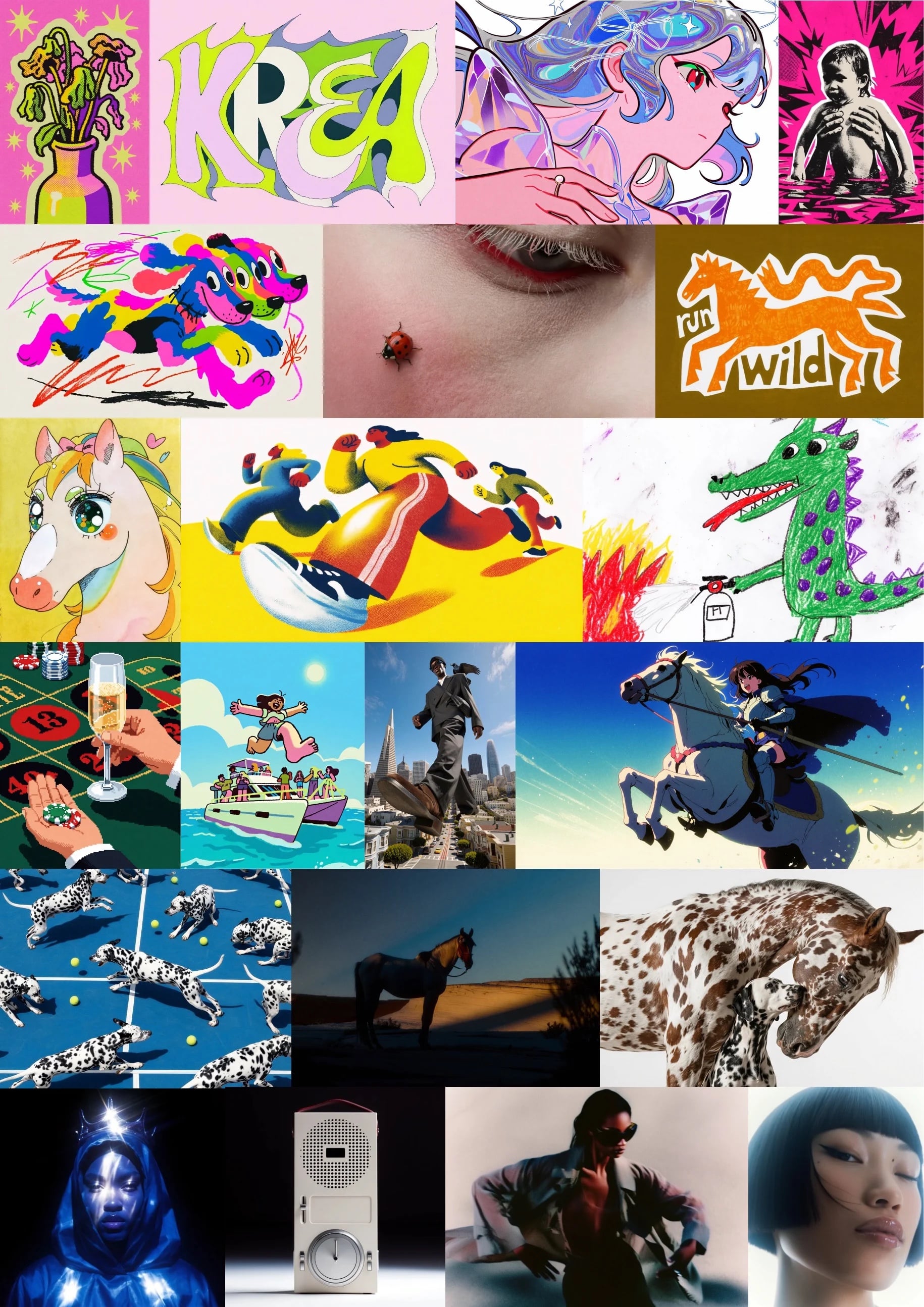
Krea.ai has introduced Krea 2 — a series of models featuring the Diffusion Transformer (DiT) architecture with 12 billion parameters. The release includes two versions: a base RAW version for efficient custom LoRA training and an optimized Turbo version for high-speed inference.
What Happened
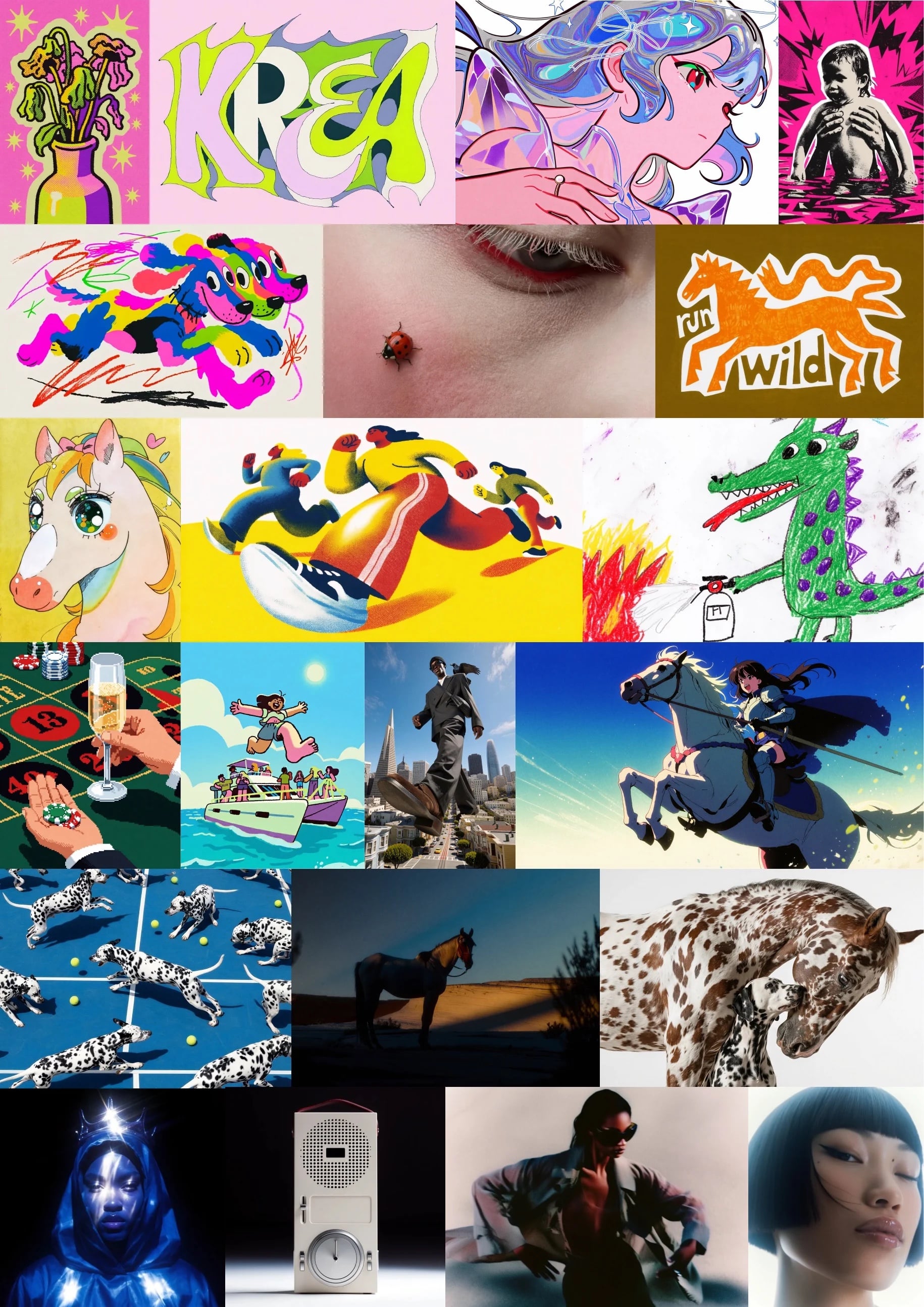
Krea.ai has released open access to the Krea 2 weights. The model consists of two key components: a RAW version designed for creating specialized LoRA adapters, and a distilled Turbo version optimized for fast and high-quality inference. For best results, it is recommended to use a LoRA trained on the RAW model in conjunction with the Turbo checkpoint.
Context
Utilizing the Diffusion Transformer (DiT) architecture at a 12-billion parameter scale allows Krea 2 to compete with modern SOTA solutions. The new strategy of splitting weights into RAW and Turbo creates an efficient workflow: the heavy model is used to train aesthetics, while the lightweight model is used for instantaneous application of the results.
Why It Matters for the Industry
The release of high-performance DiT models with open weights intensifies competition with closed systems such as Midjourney or DALL-E. This offers the industry a flexible "base model + custom LoRA" pipeline, reducing developer dependency on proprietary APIs and allowing for the implementation of controlled aesthetics into professional production systems.
Why It Matters for Users
Users now have access to professional generation tools with deep customization capabilities. Through the RAW+LoRA+Turbo combination, it is possible to create unique visual styles and deploy them instantly, achieving high speeds without sacrificing quality—a critical factor for design and architectural tasks.
Sources
Author
Look at AI, Editorial Staff