Researchers at MIT, led by Professor Sangita Bhatia, have developed a method for creating "mini-livers" that could become a revolutionary alternative to traditional organ transplantation for treating chronic diseases.

What Happened
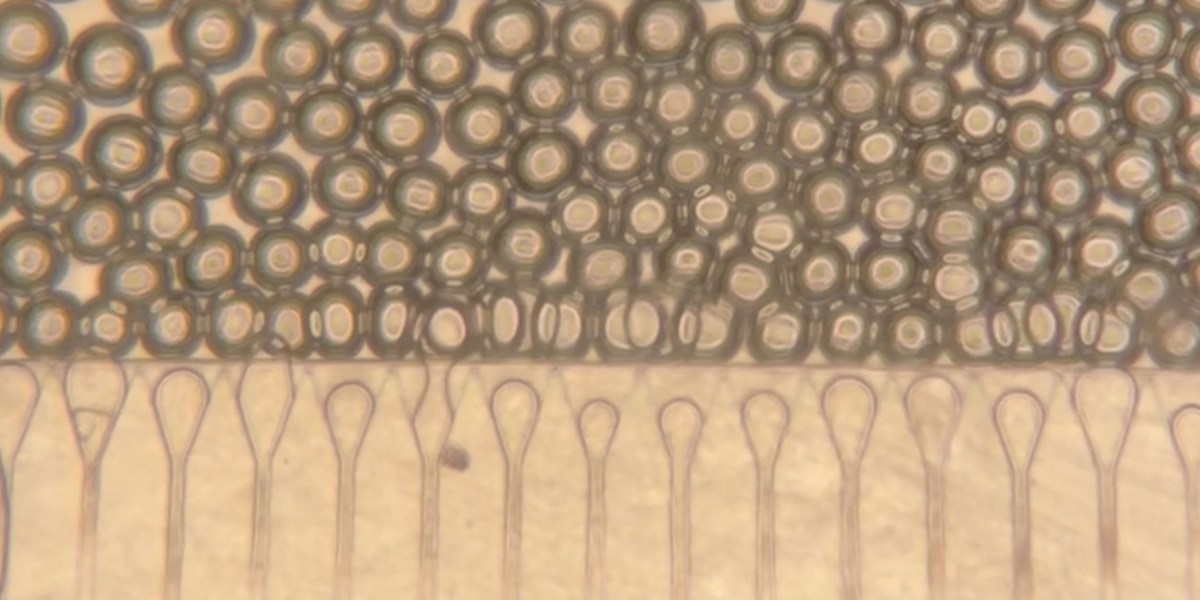
The MIT team created a method to encapsulate hepatocytes (liver cells) in specialized hydrogel microspheres. These microspheres possess a unique property: when densely packed in a syringe, they behave like a liquid for easy administration, but once inside the body, they regain a solid structure. In mouse trials, the cells remained viable for over two months, providing the synthesis of critical enzymes and proteins.
Context
Traditional organ transplantation is a complex, risky, and capital-intensive procedure that requires the immediate finding of donor organs. Current research in bioengineering is aimed at creating scalable methods to support organ functions without the need for full tissue replacement.
Why It Matters for the Industry
This technology creates new market niches in the fields of bioprinted modules and cell delivery systems. It offers a scalable "bridge" to transplantation, allowing for the maintenance of a patient's metabolic functions and reducing the burden on donation systems. The development of bioengineered niches within microspheres paves the way for creating specialized implantable functional tissue modules.
Why It Matters for Users
For patients, this means the potential transition from complex and risky surgical organ transplant operations to treatment via simple injections. Such injections would help the liver perform its vital functions—blood purification and drug metabolism—directly within the body.
What Is Not Yet Known / Limitations
The technology is in a very early stage of *in vivo* testing (on animal models). Questions remain regarding the long-term immune response of the body to the microspheres, the need to optimize the hydrogel composition, and the complexity of subsequent clinical scaling.
Sources
Author
Look at AI, Editorial Staff