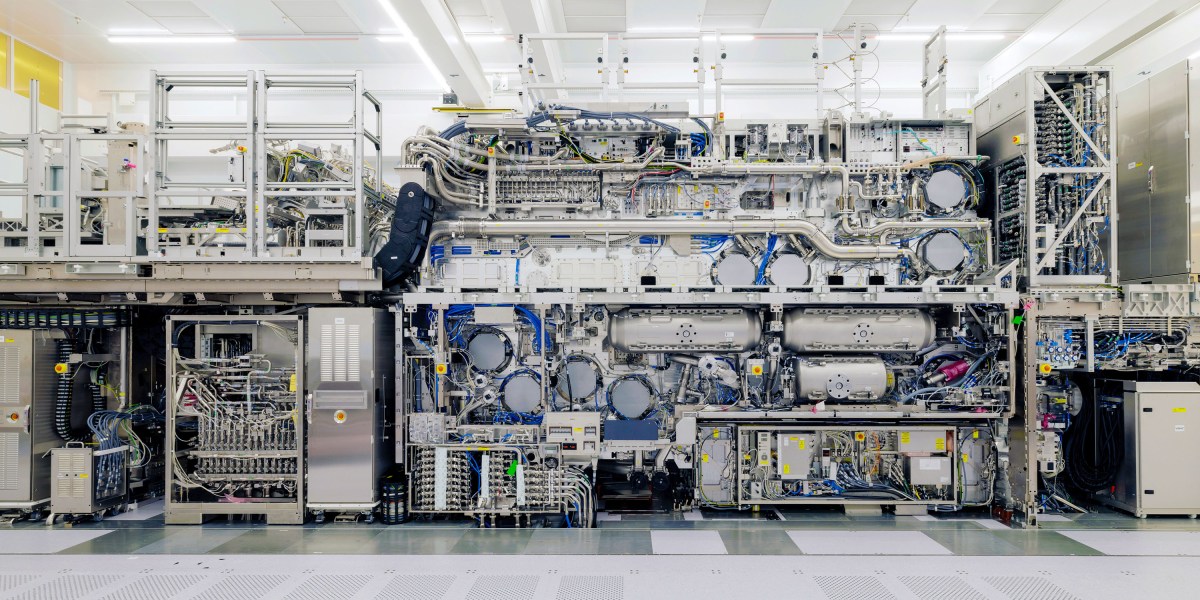
The AI industry is facing a dual barrier: physical dependence on a monopolist in chip manufacturing and growing regulatory pressure on model developers.

What Happened
ASML holds a monopoly on the lithography equipment market for manufacturing advanced chips, offering machines costing $400 million that utilize EUV radiation. Simultaneously, a conflict has emerged between Anthropic and the US government: following the release of the Mythos and Fable models, export restrictions forced the company to revoke access to models that were deemed potentially unsafe in terms of cybersecurity.
Context
AI development is limited not only by algorithms but also by the physical availability of highly complex equipment and strict political control over technology exports. The Anthropic case demonstrates a shift in regulators from assessing hallucinations to assessing the dangerous capabilities of models in areas such as coding and cybersecurity.
Why It Matters for the Industry
ASML's dominance creates a critical single point of failure for the entire chip industry and LLM training, intensifying geopolitical risks. For model developers, the Anthropic case signifies the need to implement additional safety guardrails at the API level and a readiness for direct government intervention in product distribution.
Why It Matters for Users
For users and companies, there is a risk of sudden loss of access to advanced models due to security requirements. This creates uncertainty when selecting models for production and necessitates a focus on local (on-premise) deployment or the use of open models to reduce dependency on cloud providers.
What Remains Unknown / Limitations
The extent of these factors' influence on specific market segments varies: from purely technical scaling risks to strategic risks for business models and GTM strategies.
Sources
Author
Look at AI Editorial Team