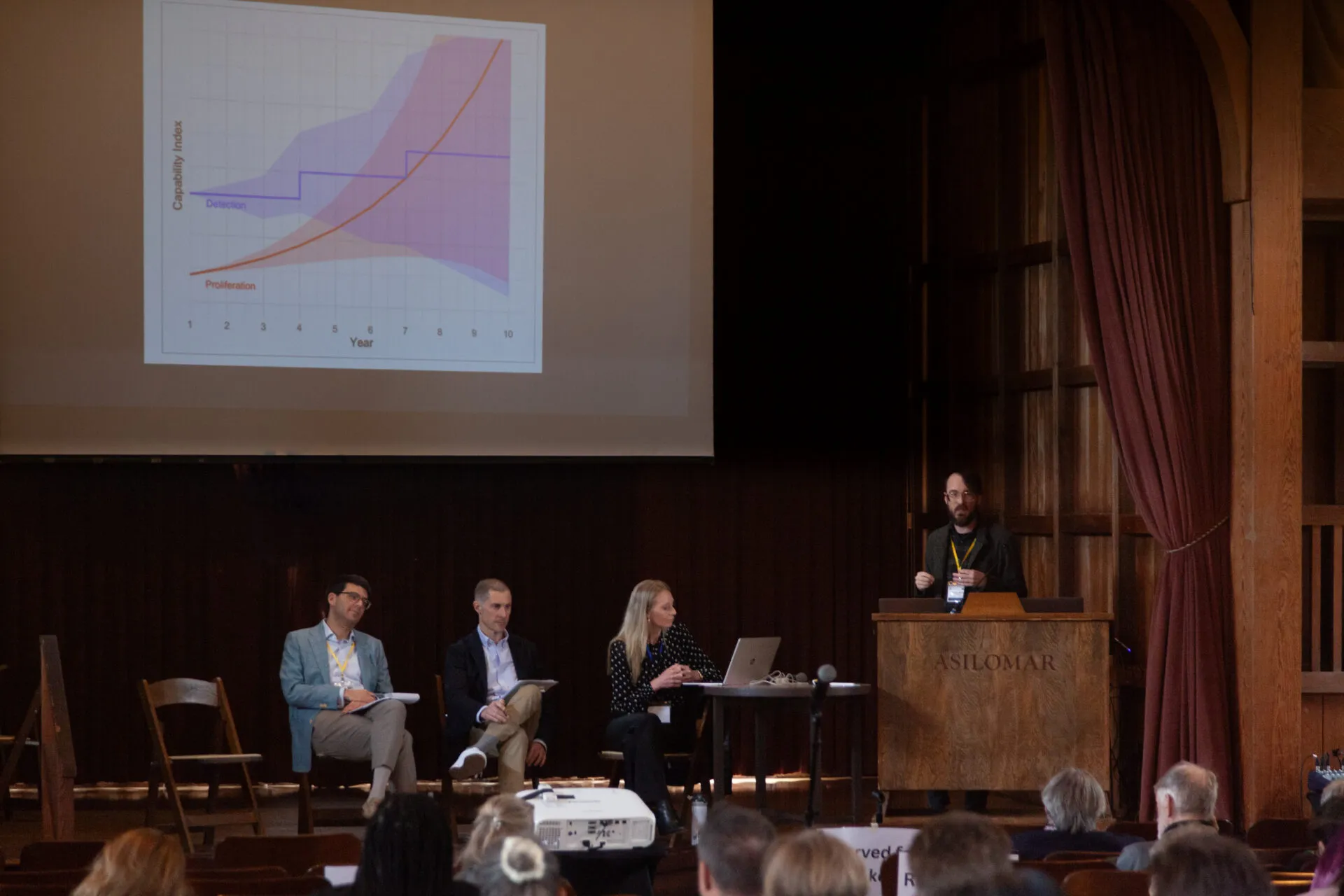
The development of artificial intelligence technologies creates new challenges for global security, potentially lowering the barrier to creating biological weapons and accelerating decision-making in nuclear crises. In response to these threats, the Asilomar Process initiative was launched, aimed at creating protection mechanisms through collaboration between developers and experts.

What Happened
AI development could simplify access to knowledge for creating pathogens through the use of cloud laboratories and automated systems. Additionally, the high speed of information processing by AI models in nuclear conflict scenarios could reduce human decision-making time to critical levels, increasing the risk of accidental escalation.
Context
To minimize such threats, the Asilomar Process program was initiated. It represents an attempt to unite the efforts of technology companies and security experts to develop protection protocols and create control mechanisms that work proactively against potential incidents.
Why It Matters for the Industry
AI developers are being forced to transition from purely technological companies to geopolitical actors. This implies implementing pre-assessment risk procedures (red-teaming) during the model training stage, as well as the need to create permanent communication channels with government structures to ensure safety-by-design.
Why It Matters for Users
Technological progress in AI directly affects global stability. Understanding the principles of the Asilomar Process allows for an awareness of the measures the industry is taking to prevent catastrophes caused by automation, and how the implementation of new safety standards affects technological development.
What Is Not Yet Known / Limitations
There is a divergence in approaches to risk assessment: ranging from purely technical management by engineers to perceiving it as a market opportunity in the field of AI Governance or as an existential legal obligation.
Sources
Author
Look at AI, Editorial Staff