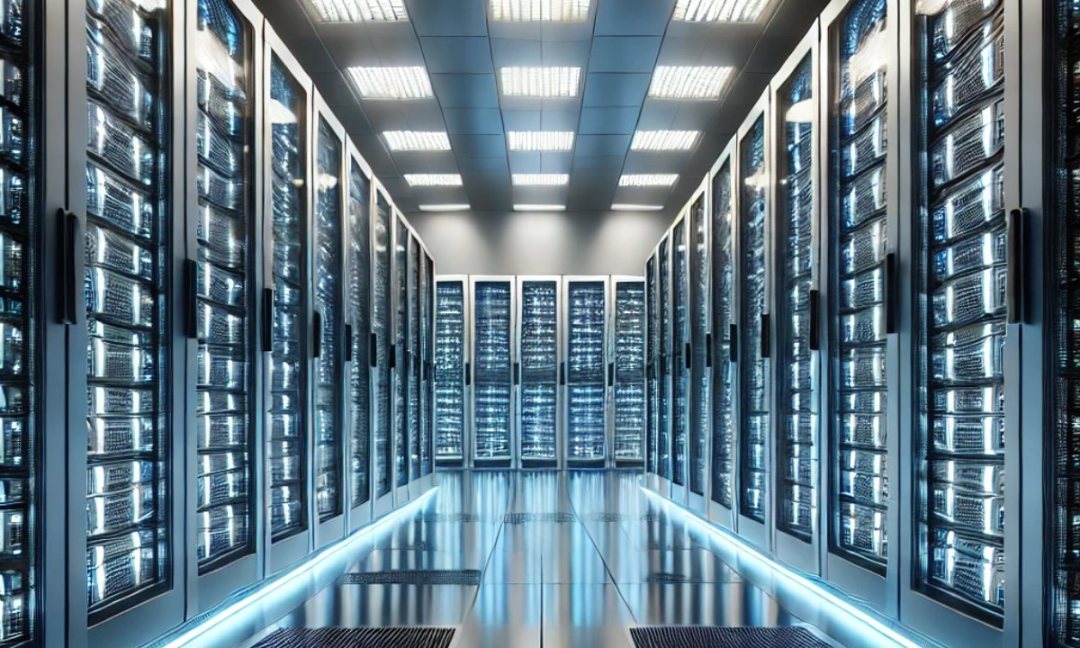
The rapid growth of AI infrastructure is turning data centers from commercial assets into key strategic targets that require protection at the level of national security.
What Happened
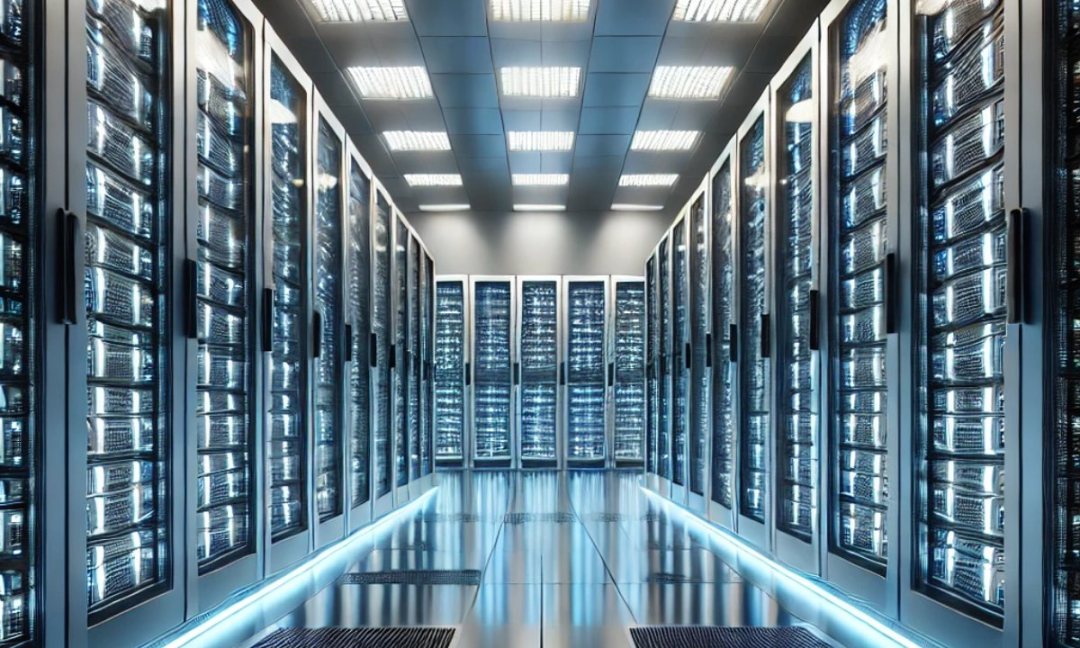
The shift toward high-density GPU architectures has increased rack power consumption from 5–15 kW to over 100 kW, with the energy consumption of individual clusters potentially reaching 1 GW. This makes physical infrastructure critically vulnerable, as evidenced by Iranian attacks on AWS and Oracle data centers in the UAE and Bahrain, as well as threats to new AI hubs in Southern Taiwan.
Context
Modern AI hubs place a colossal strain on resources: water consumption can reach 5 million gallons per day for a single facility. As a result, protecting computing power becomes inextricably linked to securing power grids and water supply systems.
Why It Matters for the Industry
For the AI industry, this means a shift in focus from purely software solutions to the physical resilience of infrastructure. Companies face the need to revise security protocols, deal with rising asset insurance costs, and more carefully select geographic locations for deploying heavy models, taking geopolitical stability into account.
Why It Matters for Users
For users, the development of AI increases the physical vulnerability of cloud services. In the context of geopolitical conflicts, the availability of computing power and data integrity could be directly disrupted by strikes on major digital mega-campuses.
What Is Not Yet Known / Limitations
There are differences in risk assessment: technical specialists focus on the engineering challenges of cooling and power supply, while business leaders emphasize systemic risks to business continuity.
Sources
Author
Look at AI, Editorial Team