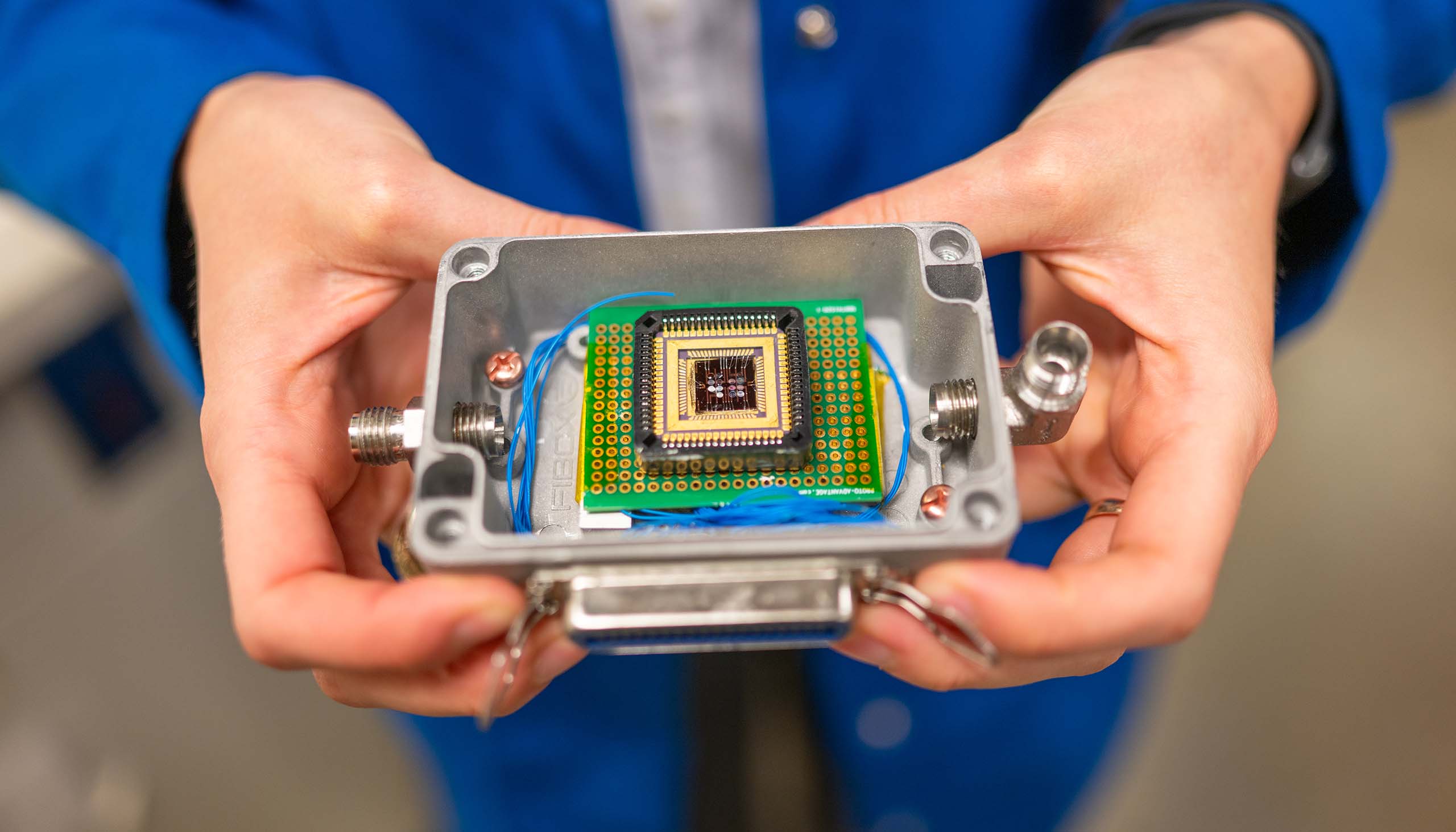
Researchers from Berkeley have presented an innovative "electronic nose" chip that utilizes carbon nanotubes and machine learning for high-precision odor detection. The device can identify food spoilage with up to 99% accuracy and detect micro-doses of allergens, paving the way for the creation of intelligent food safety monitoring systems.


What Happened
The Berkeley-developed chip is equipped with 16 sensors based on carbon nanotubes. In laboratory settings, the technology demonstrated 99% accuracy in detecting spoiled meat and the ability to detect the presence of nuts in concentrations as low as 0.05g. The current implementation is a research-grade prototype aimed at integration into IoT devices.
Context
This development occurs against the backdrop of active AI integration into everyday life. According to a Pew Research Center survey, approximately 49% of adults in the US already use AI chatbots, with ChatGPT leading at 44%. Despite this popularity, a significant portion of society (63%) is concerned about the rapid pace of technological development, and 40% of respondents expect AI to have a negative impact on society.
Why It Matters for the Industry
For the industry, this is a breakthrough in sensing and the integration of AI into IoT ecosystems (Smart Home). The technology creates new markets for automated quality control in the food industry and opens possibilities for creating specialized APIs and SDKs for analyzing the chemical composition of the environment. However, commercial success will depend on the developers' ability to solve problems regarding sensor degradation and noise filtering in real-world conditions.
Why It Matters for Users
In the long term, consumers will be able to use smart household devices, such as refrigerators, that automatically notify them of food spoilage or the presence of allergens, preventing poisoning and saving money. At the same time, users should consider potential privacy and regulatory issues arising from the integration of new types of sensors into living spaces.
What Is Not Yet Known / Limitations
The technology is currently at the research prototype stage and requires algorithm refinement to operate in complex, "dirty" real-world environments. There is a technical challenge in ensuring sensor stability during long-term operation and in processing multimodal data (mixed odors).
Sources
Author
Look at AI, Editorial Team