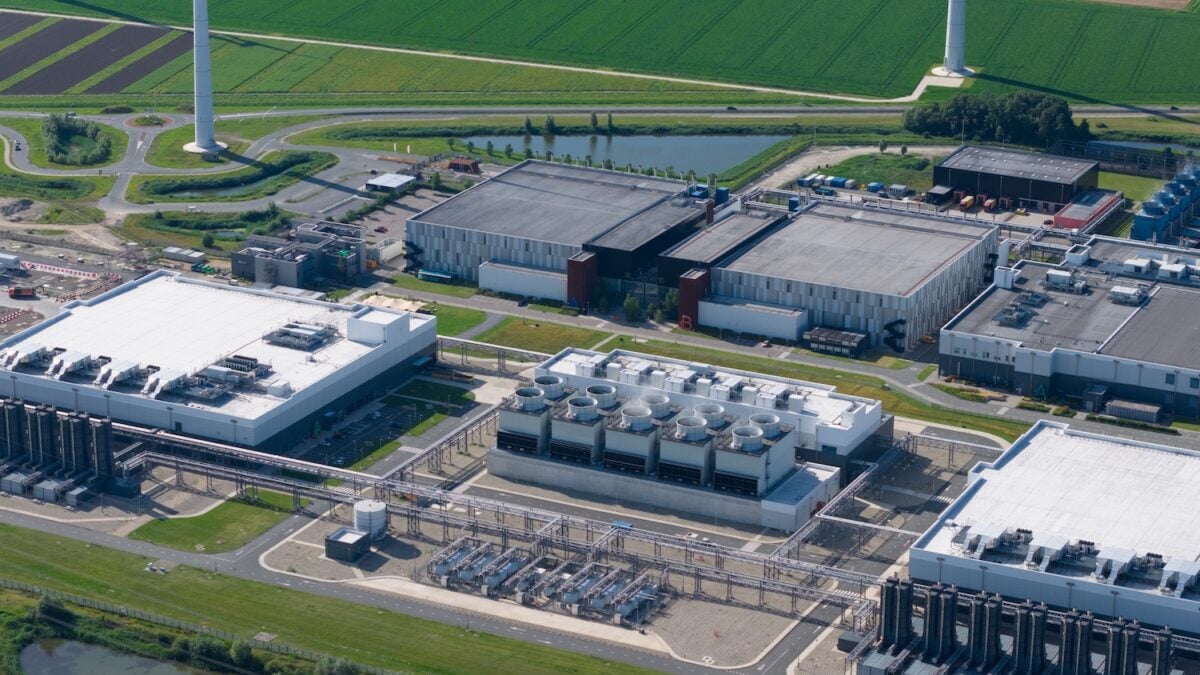
The US Federal Energy Regulatory Commission (FERC) has initiated a process for simplified and accelerated connection of data centers designed for artificial intelligence to the national power grid.

What Happened
The regulator FERC has mandated six major regional grid operators, including PJM and CAISO, to review current connection rules for large consumers. Measures include optimizing application processes, implementing new energy transmission technologies, and increasing cost transparency to ensure that the infrastructure expenses of the AI sector do not fall on the shoulders of ordinary consumers.
Context
The growing demand for computing power to train and operate LLMs has led to a serious energy deficit. The FERC initiative marks a shift from simple discussions about resource shortages to active government regulation and the creation of infrastructural preferences for the technology sector.
Why It Matters for the Industry
For the industry, this means a significant reduction in regulatory uncertainty and infrastructural barriers. Accelerating connection cycles will allow for shorter deployment times for new model training capacities and ensure more predictable electricity costs for large-scale GPU clusters in the long term.
Why It Matters for Users
Users and investors will receive a signal regarding the stabilization of the capacity market. While the measures are aimed at large-scale players, creating predictable infrastructure may indirectly contribute to lowering model inference costs in the future.
What Is Not Yet Known / Limitations
These initiatives are primarily focused on scaling large players (Hyperscalers); it is possible that this will not lead to a significant reduction in the barrier to entry for solo developers.
Sources
Author
Look at AI, Editorial Team