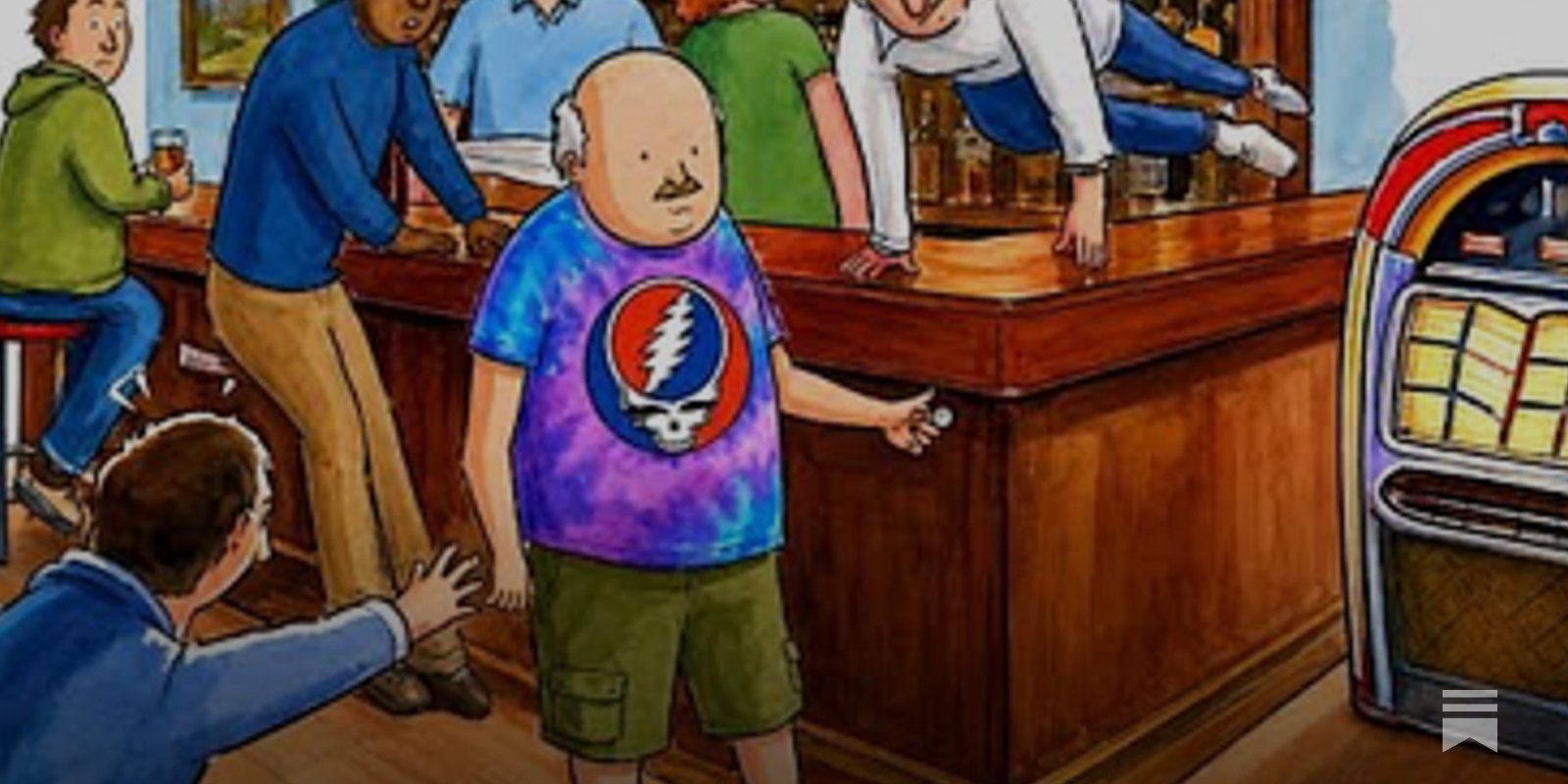
Professional artist Asher Perlman published an essay in which he acknowledges the "superhuman" quality of generative AI art. Using his viral comic as an example, he demonstrated how AI iterations add unpredictable narrative depth, transforming simple plots into complex stories with elements of surrealism or horror.
What Happened
Artist Asher Perlman published an in-depth analysis of interacting with generative models, showing that AI is capable of going beyond a human's initial prompt. He demonstrated how using AI in the comic creation process allowed for unexpected conceptual changes, which he characterizes as achieving a new level of narrative complexity.
Context
Traditionally, AI was viewed as a tool for automating execution or simple pattern reproduction. However, current technological developments demonstrate a shift toward a model where neural networks act as full-fledged creative brainstorming partners, capable of suggesting non-standard interpretations of visual images.
Why It Matters for the Industry
For the industry, this signifies a qualitative leap: generative models are moving from simple copying to introducing conceptual changes (narrative complexity). This creates opportunities for new startups specializing in iterative storytelling tools, but simultaneously increases the risk of commoditizing basic visualization skills.
Why It Matters for Users
For creative professionals, AI tools are becoming more than just a means of implementing an idea; they are becoming full partners in meaning generation. This allows users to use AI to expand their own creative potential through non-linear, iterative workflows, where the user manages the "direction of chaos" and selects the deepest interpretations offered by the model's variations.
What Remains Unknown / Limitations
There is a fundamental difference in risk assessment: while technical specialists focus on the ability to control model unpredictability, business and legal circles point to serious barriers in the form of copyright issues and the environmental footprint of the technology.
Sources
Author
Look at AI, Editorial